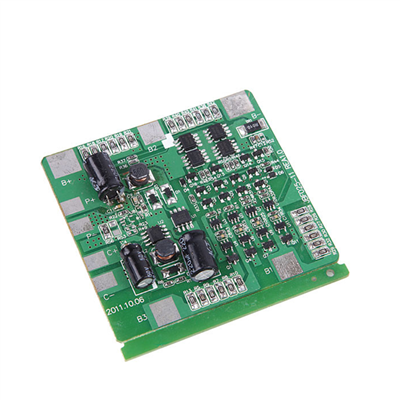

In the realm of power solutions, the question of whether a 48V LiFePO4 battery pack can be used for a generator is a topic that has gained significant attention. As a supplier of 48V LiFePO4 battery packs, I am often asked this question by customers looking for reliable and efficient power sources. In this blog post, I will delve into the technical aspects, advantages, and considerations of using a 48V LiFePO4 battery pack in conjunction with a generator.
Understanding LiFePO4 Battery Technology
Before we discuss the compatibility of a 48V LiFePO4 battery pack with a generator, it's essential to understand the basics of LiFePO4 battery technology. Lithium Iron Phosphate (LiFePO4) batteries are a type of rechargeable lithium-ion battery known for their high energy density, long cycle life, and enhanced safety features compared to other lithium-ion chemistries.
LiFePO4 batteries have a nominal voltage of 3.2V per cell. To achieve a 48V battery pack, multiple cells are connected in series. For example, a 48V LiFePO4 battery pack typically consists of 15 cells connected in series (3.2V x 15 = 48V). These battery packs are designed to provide a stable and reliable source of power for various applications, including renewable energy systems, electric vehicles, and backup power solutions.
Using a 48V LiFePO4 Battery Pack with a Generator
The short answer is yes, a 48V LiFePO4 battery pack can be used for a generator. However, there are several factors to consider to ensure a successful integration.
Compatibility
The first step is to ensure that the generator is compatible with the 48V LiFePO4 battery pack. Most generators are designed to output AC power, while the battery pack stores DC power. Therefore, a power inverter is required to convert the DC power from the battery pack into AC power that can be used by the generator or other electrical devices.
When selecting an inverter, it's important to choose one that is rated for the appropriate voltage and power output. The inverter should be able to handle the maximum power draw of the generator and any other connected devices. Additionally, the inverter should have built-in protection features to prevent overcharging, over-discharging, and short circuits.
Charging
Another important consideration is the charging of the 48V LiFePO4 battery pack. The generator can be used to charge the battery pack, but it's crucial to use a compatible charger. LiFePO4 batteries require a specific charging profile to ensure optimal performance and longevity.
A charger designed for LiFePO4 batteries will typically have a constant current (CC) and constant voltage (CV) charging algorithm. During the CC phase, the charger supplies a constant current to the battery pack until it reaches a certain voltage. Once the voltage reaches the set point, the charger switches to the CV phase, where it maintains a constant voltage while the current gradually decreases as the battery pack approaches full charge.
It's important to note that overcharging a LiFePO4 battery can lead to reduced battery life and potential safety hazards. Therefore, it's recommended to use a charger with built-in overcharge protection.
Capacity and Power Requirements
The capacity and power requirements of the 48V LiFePO4 battery pack will depend on the specific application and the power consumption of the generator and other connected devices. When selecting a battery pack, it's important to consider the following factors:
- Power Consumption: Determine the total power consumption of the generator and any other connected devices. This will help you calculate the required capacity of the battery pack.
- Runtime: Consider the desired runtime of the generator and the battery pack. If you need to run the generator for an extended period, you will need a battery pack with a higher capacity.
- Peak Power: Some generators may have a high peak power requirement during startup or under heavy load. Make sure the battery pack can handle the peak power draw without experiencing a significant voltage drop.
Advantages of Using a 48V LiFePO4 Battery Pack with a Generator
There are several advantages to using a 48V LiFePO4 battery pack with a generator:
Energy Storage
One of the primary advantages of using a battery pack is energy storage. The battery pack can store excess energy generated by the generator during periods of low demand and release it during periods of high demand. This helps to optimize the use of the generator and reduce fuel consumption.
Backup Power
In the event of a power outage, the 48V LiFePO4 battery pack can provide backup power to the generator or other critical devices. This ensures that you have a reliable source of power even when the grid is down.
Noise Reduction
Generators can be noisy, especially when operating at full load. By using a battery pack in conjunction with the generator, you can reduce the runtime of the generator and minimize noise pollution.
Environmental Benefits
LiFePO4 batteries are more environmentally friendly than traditional lead-acid batteries. They have a longer cycle life, require less maintenance, and do not contain toxic materials such as lead and acid. Additionally, using a battery pack to store excess energy from the generator can help to reduce greenhouse gas emissions by reducing the overall fuel consumption of the generator.
Considerations and Precautions
While using a 48V LiFePO4 battery pack with a generator offers many advantages, there are also some considerations and precautions to keep in mind:
Safety
LiFePO4 batteries are generally considered to be safer than other lithium-ion chemistries, but they still require proper handling and storage. It's important to follow the manufacturer's instructions for installation, charging, and maintenance of the battery pack. Additionally, the battery pack should be installed in a well-ventilated area away from heat sources and flammable materials.
Cost
LiFePO4 batteries are typically more expensive than traditional lead-acid batteries. However, the higher upfront cost is often offset by the longer cycle life and lower maintenance requirements. When considering the cost of a 48V LiFePO4 battery pack, it's important to factor in the long-term savings in fuel consumption and maintenance.
Compatibility and Integration
As mentioned earlier, it's crucial to ensure that the generator, inverter, charger, and battery pack are all compatible and properly integrated. Improper installation or integration can lead to reduced performance, damage to the equipment, and potential safety hazards. Therefore, it's recommended to consult with a professional installer or electrical engineer before installing a 48V LiFePO4 battery pack with a generator.
Conclusion
In conclusion, a 48V LiFePO4 battery pack can be used for a generator, providing a reliable and efficient source of power. By carefully considering the compatibility, charging, capacity, and power requirements, you can successfully integrate a battery pack with a generator and enjoy the many advantages of energy storage and backup power.


If you are interested in learning more about our 24V 150Ah Battery, 12.8V Marine RV Power Battery, or 12.8V 200Ah Battery Pack, or if you have any questions about using a 48V LiFePO4 battery pack with a generator, please feel free to contact us. We are here to help you find the best power solution for your needs.
References
- "Lithium Iron Phosphate Batteries: A Comprehensive Guide." Battery University.
- "Generator and Battery Integration: Best Practices." Power Systems Journal.
- "LiFePO4 Battery Charging and Discharging Guidelines." Battery Manufacturers Association.