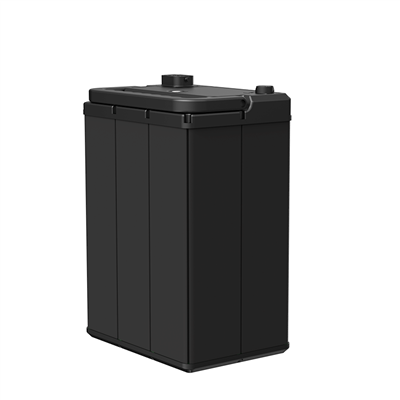

If you’ve ever shopped for an electric motorcycle, you’ve probably noticed that the battery isn’t just a part—it’s the make-or-break component that determines range, performance, and how long your ride stays on the road. As the founder of a small electric motorcycle battery supplier, I talk to riders every day who are confused by all the battery types out there. I get it—terms like lithium-ion, LFP, lead-acid, and custom packs sound like jargon until you break them down. Today, I’m walking you through the main types of electric motorcycle batteries, what makes each different, and which ones might be right for your ride (plus a few of the batteries we supply that fit these categories, since that’s what I do!).
First, let’s get one thing straight: old lead-acid batteries are still around, but they’re not the go-to for most modern electric bikes or motorcycles anymore. Yeah, they’re cheap at first, but they’re heavy, die fast, and don’t hold a charge well. If you see a used e-motorcycle with a lead-acid battery, skip it—you’ll end up replacing it in a year. Now, the real players are lithium-based batteries, and even among those, there are two big families you need to know.
1. Lithium-Ion (Li-ion) Batteries
This is the battery most factory electric motorcycles use, and for good reason. Lithium-ion cells pack a lot of energy into a small, lightweight package—perfect for a two-wheeler where every pound matters. They’ve got a high energy density, so you get way more range than a lead-acid battery of the same size. They also charge faster and hold their charge longer when not in use (no one wants a dead battery after leaving their bike in the garage for a week).
Here’s the catch: not all lithium-ion is the same. The sub-type you’ll see most often in e-motorcycles is NMC (Nickel Manganese Cobalt). These are the go-to for performance models because they deliver a steady burst of power for acceleration and top speed. That’s why you’ll find them in many mid-range to high-end e-motorcycles. But NMC does have a downside: they can get a little warm during fast charging, and their lifespan is around 500–1,000 full charge cycles before they start losing noticeable range.


For example, if you’re building a custom e-motorcycle and need a robust, high-performance Li-ion pack, our 72V 50Ah Electric Bike Lithium Battery is a solid pick. It’s built with NMC cells, delivers consistent power for highway rides, and fits most standard frame sizes. We also make smaller, more lightweight Li-ion packs for commuter e-motorcycles—like our EMOTO Battery Pack (link: /electric-motorcycle-battery/25-2v-7s3p-18650-emoto-battery-pack.html) which uses 18650 Li-ion cells, is super compact, and works great for city riders who don’t need maximum range.
2. Lithium Iron Phosphate (LFP) Batteries
If NMC is the sports car of lithium batteries, LFP is the workhorse. These are a relatively new type of lithium battery that’s taken over the budget-friendly and durability-focused e-motorcycle space, and for good reason. LFP cells use iron and phosphate instead of nickel, manganese, or cobalt, which makes them safer, longer-lasting, and way more resistant to overheating. That’s a huge win for anyone who parks their bike outside or rides in extreme temperatures.
LFP batteries have a longer lifespan too—they can last 2,000–3,000 full charge cycles before their capacity drops below 80%, which is double what NMC offers. They also hold their charge better when stored, so if you only ride on weekends, you won’t lose half your battery sitting in the garage. The downside? They’re a little heavier than NMC batteries of the same capacity, and they don’t deliver quite as much peak power for acceleration. But for most casual and commuter riders, that tradeoff is totally worth it.
If you’re looking for a durable, long-lasting LFP pack for a budget e-motorcycle or a smaller custom build, we have two great options. Our 25.6V 18Ah LFP Battery Pack (link: /electric-motorcycle-battery/25-6v-18ah-lfp-battery-pack.html) is perfect for mopeds, small commuter e-bikes, and entry-level motorcycles. For a higher-voltage LFP option that works for mid-sized e-motorcycles, check out our 25.6V 18Ah LiFePO₄ Battery Pack (link: /electric-motorcycle-battery/25-6v-18ah-lifepo-battery-pack.html)—it’s the same capacity as the other LFP pack but built for higher voltage systems, so it fits bikes that need more oomph for hills or highway speeds.
3. Custom Battery Packs (For Riders Who Want More)
Not everyone’s e-motorcycle is off the shelf. If you’re a custom builder, or you’ve modified your bike to go faster, farther, or handle terrain that factory models don’t, you’ll need a custom battery pack. That’s where things get fun—and where I do a lot of my work. Custom packs are built to your exact specs: voltage, capacity, size, even shape to fit a weird frame. They can be made with Li-ion, LFP, or a mix if you have specific needs.
Take our 72V 20Ah 20S9P Lithium Battery Pack (link: /electric-motorcycle-battery/72v-22ah-e-motorcycle-lithium-battery.html) as an example. It’s built specifically for high-performance e-motorcycles that run on 72V systems. The 20S9P configuration means it has 20 cells in series for the right voltage and 9 in parallel for extra capacity, so you get both speed and range. We build custom packs like this for everything from drag racing e-motorcycles to off-road adventure bikes, and we work closely with builders to make sure the pack fits their exact space, power needs, and budget.
A quick note on custom packs: make sure you’re working with a supplier that uses high-quality cells and builds in a battery management system (BMS). The BMS is what keeps the battery from overcharging, overheating, or discharging too much, which is critical for safety and lifespan. All the packs we supply, even the stock ones, come with a built-in BMS, so you don’t have to worry about that.
What About Other Battery Types?
You might hear about solid-state batteries or nickel-metal hydride (NiMH) batteries, but neither is common for modern e-motorcycles. Solid-state is still mostly in development for cars—too big and expensive for two-wheelers right now. NiMH is old tech, heavy, and low-range, so it never caught on for e-motorcycles. If you see either of these on a used bike, keep looking.
Which One Should You Pick?
At the end of the day, the right battery depends on how you ride. If you’re a performance rider who needs fast acceleration and highway speed, go with a high-quality Li-ion (like our 72V 50Ah pack). If you’re a commuter or weekend rider who wants a battery that lasts 5+ years and doesn’t need much maintenance, LFP is your guy. And if you’re building a custom bike that’s not on the market, custom lithium packs are the way to go.
Ready to Find the Right Battery for Your E-Motorcycle?
I’ve worked with hundreds of riders, from first-time e-bike owners to custom motorcycle builders, to get them the right battery at a fair price. Whether you need a stock replacement, a pack for a new build, or a custom solution for a project, we’ve got options that fit every need. Head to our site to browse the packs I mentioned, or reach out to our team to chat about your specific setup—we’re here to help.
References
- “Lithium-Ion vs. Lithium Iron Phosphate: Key Differences and Use Cases.” Battery University, Cadex Electronics Inc.
- “Electric Motorcycle Battery Lifespan and Cycle Life.” EV Adoption Lab, 2024.
- “Custom Battery Packs for Electric Two-Wheelers.” Electric Vehicle Components Association, 2023.