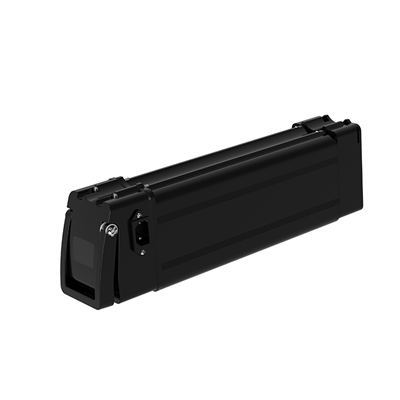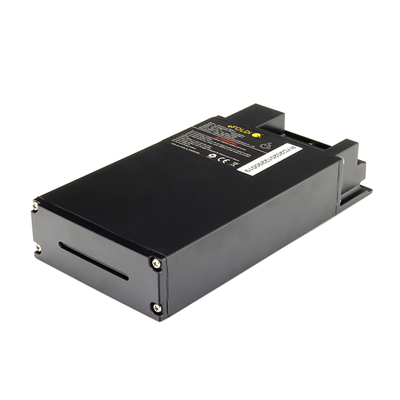
With the rapid growth of e-mobility, energy storage, and portable electronics, lithium batteries have become the heart of modern energy systems. However, market prices vary dramatically - from a few dollars to hundreds. What exactly determines the cost of a lithium battery? Ryder New Energy, a national high-tech enterprise with nearly two decades of experience in lithium battery system integration, breaks down the price structure and key influencing factors based on real-world engineering and manufacturing expertise.
1. Main Components of Lithium Battery Price
The final price of a lithium battery is determined by three core components - cell, protection circuit (PCM/BMS), and enclosure - plus PACK processes, aging tests, and management overheads.
Cell: Accounts for 50–70% of total cost. It defines energy density, cycle life, and safety.
PCM / BMS: Provides overcharge, over-discharge, overcurrent, and short-circuit protection. Advanced BMS adds communication, balancing, thermal management, and state estimation.
Enclosure & Structural Parts: Includes PVC heat shrink, plastic cases, metal housings. Costs vary significantly by material and protection level.
PACK & Aging Tests: Cell sorting, tab welding, insulation, and full-cycle aging - directly impact reliability.
Ryder Insight: Our Huizhou New Energy Industrial Park spans 50 acres (33,335 m²) with 84,000 m² built area, including 45,000 m² of state-of-the-art production space and an ISO-certified lab. Every battery passes environmental simulation (-40°C to +85°C), UN38.3, UL, and other safety/performance validations to meet zero-defect standards.
2. Key Factors Affecting Lithium Battery Price
2.1 Cell Selection – The Largest Cost Driver
Chemistry: NMC (3.6V), LFP (3.2V), LMO, LCO, LTO – each has different voltage, safety, cycle life, and temperature range. LFP offers longer life and higher safety; NMC provides higher energy density for EVs.
Brand & Grade: Japanese (Panasonic, Sanyo), Korean (Samsung, LG), top-tier Chinese (Lishen, BAK, ATL), and lower-tier brands – price correlates with consistency, stability, and safety. Special cells (ultra-low temp, high rate, custom shapes) cost even more.
Ryder Suggestion: The right cell depends on actual operating conditions. With over 15 years of experience in power lithium battery engineering, our core R&D team helps you select the optimal cell.
2.2 Protection Circuit (PCM / BMS) Requirements
Basic Protection: Overcharge, over-discharge, overcurrent, short circuit, over-temperature – suitable for simple consumer electronics.
Communication Protocols: I²C, RS485, CANBUS, SMBUS – for fuel gauge and data monitoring.
Full BMS: Used in EVs and large storage systems – includes cell balancing, thermal management, state estimation, and real-time diagnostics. Higher development cost but critical for safety and lifespan.
Ryder Advantage: We design and manufacture our own BMS – from hardware to software. This eliminates third-party licensing costs and ensures perfect system integration.
2.3 Enclosure – Waterproofing, Strength, Tooling Cost
PVC Heat Shrink: Low cost, for small packs under 2kg. Limited protection.
Plastic Case: Requires mold tooling (high upfront, low unit cost at volume). Rapid prototyping available pre-series.
Metal Case: High strength, supports IP67/IP68 rating – cost climbs significantly. Special materials like titanium alloy further increase price.
Ryder Capability: In-house industrial design and precision mold development enable fast prototyping to mass production, cutting structural costs and lead times.
2.4 PACK Quality & Process Control
Cell matching, laser welding, potting, aging – each step affects cycle life and safety. High-reliability applications (medical, defense) require conformal coating and 100% burn-in, raising costs accordingly.
3. Why Choose Ryder New Energy?
Full-Technology Coverage: From BMS and PACK engineering to power electronics and precision molds – all in-house.
National Certifications: Recognized as a National High-Tech Enterprise and a "Specialized, Sophisticated, Innovative and Distinctive" (SSID) SME.
Large-Scale Manufacturing Base: 50 acre Huizhou park, 84,000 m² total floor area, two modern plants plus 10,000 m² logistics warehouse.
Strict Validation: ISO-certified labs, UN38.3, UL, -40°C to +85°C environmental chamber, accelerated lifecycle tests – ensuring international standards.
Diverse Applications: Light electric vehicles (e-bikes, e-trikes, low-speed quadricycles), power tools, off-grid storage, portable medical devices, consumer electronics – proven global trust.
4. How to Get an Accurate Lithium Battery Quote?
Lithium batteries are highly customized – voltage, capacity, discharge rate, operating environment, certification requirements all affect final price. Ryder New Energy offers free technical consultation and preliminary estimates. Simply share your load profile or device specifications, and our engineering team will respond within 24 hours with a proposed solution and reference budget.
Tel: 0086-0752-5880937
Email: manager@ryderbattery.com
Headquarters: Room 1008-1009, 10/F, Building 2, OCT Innovation Mansion, North Station Community, Minzhi Subdistrict, Longhua District, Shenzhen, Guangdong, China
Factory: No. 16, Sanhe Avenue, Starting Area, China-Korea Huizhou Industrial Park, Zhongkai District, Huizhou City, Guangdong Province, P. R. China
20 years of focused innovation in lithium battery system integration – Ryder New Energy delivers safe, efficient, and cost-effective power solutions for global customers.