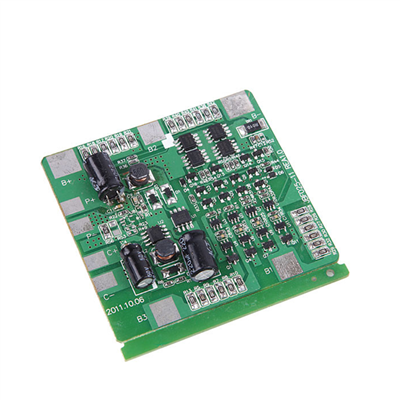

Hey there! As a supplier of li ion 18650 battery packs, I often get asked about the difference between high - drain and low - drain li ion 18650 battery packs. So, I thought I'd write this blog to clear things up for you.
Let's start with the basics. An 18650 battery is a cylindrical lithium - ion battery. The "18" stands for the battery's diameter (18mm), and "650" represents its length (65.0mm). These batteries are super popular because they're rechargeable, have a high energy density, and are used in a wide range of devices.
What is a High - Drain Li Ion 18650 Battery Pack?
A high - drain li ion 18650 battery pack is designed to deliver a large amount of current in a short period. In simple terms, it can "spit out" a lot of power quickly. Devices that need a sudden burst of energy, like high - powered flashlights, electric vehicles, and power tools, rely on high - drain battery packs.
One of the key features of high - drain batteries is their low internal resistance. When the internal resistance is low, less energy is wasted as heat when the battery is discharging. This means more of the stored energy can be used to power your device. For example, if you're using a high - powered flashlight, a high - drain battery pack will allow the flashlight to shine brightly without the battery getting too hot.
Another important aspect is the C - rating. The C - rating tells you how fast a battery can discharge. A high - drain battery usually has a high C - rating. For instance, a battery with a 20C rating can discharge at 20 times its amp - hour (Ah) rating. So, if you have a 2Ah battery with a 20C rating, it can discharge at a rate of 40 amps (2Ah x 20).
What is a Low - Drain Li Ion 18650 Battery Pack?
On the other hand, a low - drain li ion 18650 battery pack is meant for devices that consume power at a slow and steady pace. Think of things like remote controls, wall clocks, and some small electronic toys. These devices don't need a large amount of power all at once; they just need a consistent, low - level supply of energy.
Low - drain batteries typically have a higher internal resistance compared to high - drain ones. While this might seem like a drawback, it's actually fine for low - power devices. The higher resistance doesn't cause significant energy loss because the current draw is so low.
Low - drain batteries usually have a lower C - rating. They're not built to deliver a large amount of current quickly, but they can provide a stable power supply over a long period. For example, a low - drain battery in a wall clock can keep it running for months or even years without needing a replacement.
Key Differences Between High - Drain and Low - Drain Battery Packs
1. Power Delivery
The most obvious difference is the amount of power they can deliver. High - drain battery packs can supply a large amount of power in a short time, while low - drain battery packs offer a steady, low - level power supply. If you use a high - drain battery in a low - power device, it's like using a sledgehammer to crack a nut. The device won't be able to handle the high power, and it could even get damaged. Conversely, a low - drain battery in a high - power device won't be able to provide enough energy, and the device might not work properly.
2. Lifespan
High - drain battery packs tend to have a shorter lifespan compared to low - drain ones. The high current draw during discharge puts more stress on the battery cells. This can cause the electrodes inside the battery to degrade faster, reducing the overall number of charge - discharge cycles the battery can handle. Low - drain batteries, on the other hand, experience less stress because of the lower current draw, so they can typically last longer.
3. Cost
Generally, high - drain battery packs are more expensive than low - drain ones. The technology required to make a battery that can handle high current draws is more complex and costly. The materials used in high - drain batteries are also often of higher quality to ensure they can withstand the stress of high - power applications.
Our Product Offerings
At our company, we offer a wide range of li ion 18650 battery packs to suit different needs. If you're looking for a high - drain battery pack for your power - hungry device, we've got you covered. For example, our 25.2V 6.4Ah Lithium Battery Pack is a great option for high - power applications. It can deliver a large amount of current quickly, making it ideal for electric vehicles and high - powered tools.
If you have a low - power device, we also have low - drain battery packs. Our 21.6V 5.1Ah With Intelligent PCM Protection is designed to provide a stable, long - lasting power supply for small electronic devices. And for those in between needs, our 25V 18650 Lithium Battery Pack offers a good balance of power and endurance.
Making the Right Choice
When choosing between a high - drain and a low - drain li ion 18650 battery pack, you need to consider the requirements of your device. First, look at the power consumption of the device. Check the user manual or do some research to find out how much current the device needs. If it needs a large amount of power quickly, go for a high - drain battery pack. If it only needs a small, steady amount of power, a low - drain battery pack will be sufficient.
Also, think about the runtime. If you need your device to run for a long time without recharging, a low - drain battery might be a better choice. But if you need short, intense bursts of power, a high - drain battery is what you want.


Contact Us for Your Battery Needs
We understand that choosing the right battery pack can be confusing. That's why our team of experts is here to help. Whether you're a small business owner looking for batteries for your products or an individual in need of a battery for your personal device, we can assist you in finding the perfect li ion 18650 battery pack.
If you have any questions or want to discuss your specific requirements, don't hesitate to reach out. We're more than happy to have a chat and help you make the best decision for your power needs.
References
- Linden, D., & Reddy, T. B. (2002). Handbook of Batteries. McGraw - Hill.
- Tarascon, J. M., & Armand, M. (2001). Issues and challenges facing rechargeable lithium batteries. Nature, 414(6861), 359 - 367.