
Can a NiMH Battery Charger Overcharge the Batteries?
As a supplier of NiMH battery chargers, this is a question I often encounter from our customers. NiMH (Nickel-Metal Hydride) batteries are widely used in various devices due to their relatively high energy density, low self - discharge rate compared to some other battery types, and environmental friendliness. However, the concern about overcharging is a valid one, as overcharging can have detrimental effects on the battery's performance and lifespan.
Understanding NiMH Batteries and Overcharging
To understand whether a NiMH battery charger can overcharge the batteries, we first need to know how NiMH batteries work. When a NiMH battery is being charged, a chemical reaction occurs within the battery cells. During the charging process, hydrogen is absorbed by the metal hydride electrode. As the battery approaches full charge, the charging efficiency starts to decrease, and heat is generated.
Overcharging a NiMH battery means continuing to supply electrical current to the battery after it has reached its full - charge state. This can lead to several problems. Firstly, overcharging causes the battery to heat up significantly. Excessive heat can damage the internal structure of the battery, such as the separator between the electrodes, which can lead to short - circuits and even battery failure. Secondly, overcharging can cause the battery to lose water through electrolysis, reducing the electrolyte level and eventually shortening the battery's lifespan.
How Modern NiMH Battery Chargers Prevent Overcharging
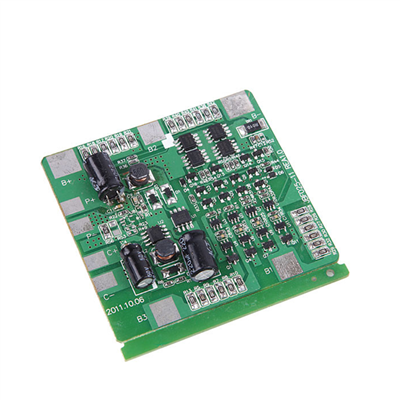
Modern NiMH battery chargers are designed with multiple safety features to prevent overcharging. One of the most common methods is the use of a charging algorithm. Chargers are programmed to detect when the battery is approaching full charge. For example, they can monitor the battery's voltage. As a NiMH battery nears full charge, its voltage will start to plateau and then slightly decrease. A smart charger can detect this voltage change and adjust the charging current accordingly.
Another method is temperature monitoring. Since overcharging causes the battery to heat up, many chargers are equipped with temperature sensors. Once the battery temperature exceeds a certain threshold, the charger will automatically reduce or stop the charging current to prevent overheating and overcharging.
Some advanced chargers also use a trickle - charge method. After the battery reaches full charge, instead of continuing to supply a high - current charge, the charger switches to a low - current trickle charge to maintain the battery's charge level without overcharging it.
Our NiMH Battery Chargers: Ensuring Safe Charging
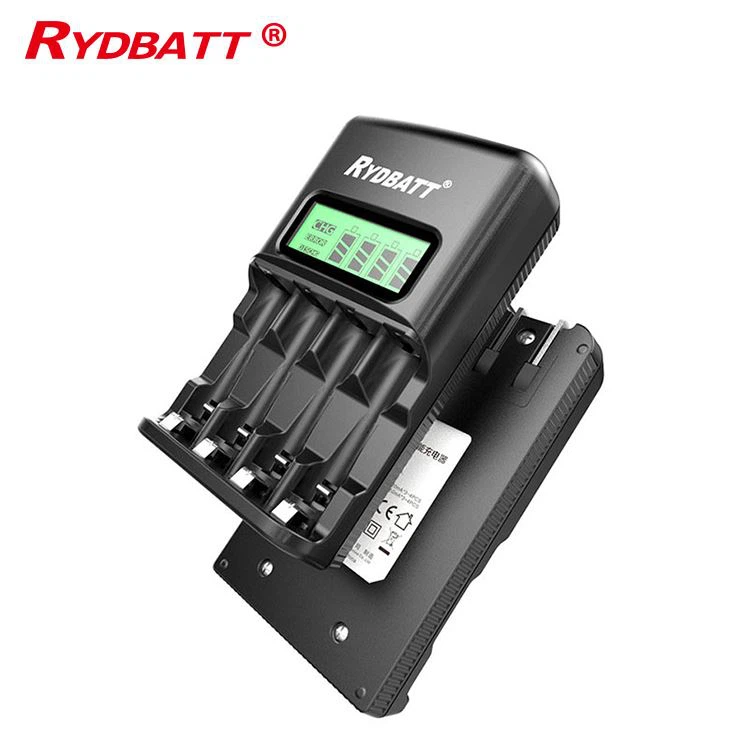
At our company, we take pride in offering high - quality NiMH battery chargers that are designed to prevent overcharging. Our chargers, such as the 4 Slot NiMH Charger with LCD Display, 8 Slot NiMH Charger with LCD Display, and 12 Slot NiMH Charger with LCD Display, are equipped with state - of - the - art charging algorithms and temperature sensors.
The LCD display on our chargers provides real - time information about the charging status, including the battery voltage, temperature, and charging time. This allows users to monitor the charging process closely and ensures that the batteries are charged safely.
Factors That Can Still Lead to Overcharging
Despite the advanced safety features in modern chargers, there are still some factors that can potentially lead to overcharging. One such factor is using the wrong charger for the batteries. Different NiMH batteries have different charging requirements, such as the charging current and voltage. Using a charger that is not compatible with the battery can cause overcharging.
Another factor is a malfunction in the charger itself. Although rare, a faulty charger may fail to detect the battery's full - charge state or may not respond correctly to temperature changes. This is why it is important to purchase chargers from reliable suppliers and to regularly check the chargers for any signs of damage or malfunction.

Conclusion
In conclusion, while it is possible for a NiMH battery charger to overcharge the batteries, modern chargers are generally designed to prevent this from happening. By using advanced charging algorithms, temperature sensors, and other safety features, our NiMH battery chargers can ensure that your batteries are charged safely and efficiently.
If you are in the market for high - quality NiMH battery chargers, we invite you to explore our product range. Our chargers are suitable for a wide range of applications, from small consumer electronics to industrial devices. We are committed to providing our customers with the best charging solutions and ensuring the long - term performance of their NiMH batteries. If you have any questions or are interested in purchasing our products, please feel free to contact us for further discussion and procurement negotiations.
References
- Linden, D., & Reddy, T. B. (2002). Handbook of Batteries. McGraw - Hill.
- Karden, E. (2009). Battery Systems Engineering. John Wiley & Sons.