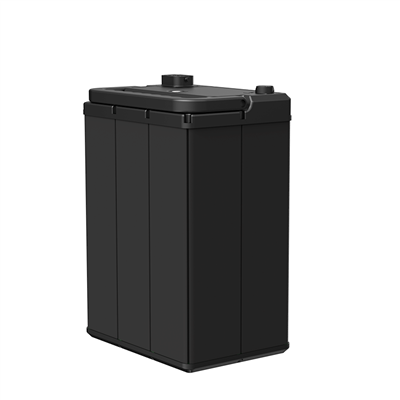

Hey there! As a supplier of li ion 18650 battery packs, I often get asked about how to use these battery packs to power small appliances. Well, you're in luck because I'm gonna break it down for you in this blog post.


First off, let's talk a bit about what an 18650 battery is. The 18650 is a cylindrical lithium-ion battery that's super popular due to its high energy density, long lifespan, and relatively low cost. They're commonly used in laptops, flashlights, and other portable devices. When you group these 18650 batteries together, you get a battery pack, which can provide more power and longer runtime.
Now, let's get into the nitty-gritty of using a li ion 18650 battery pack to power a small appliance.
Step 1: Check the Appliance's Power Requirements
The first thing you gotta do is figure out how much power your small appliance needs. You can usually find this info on the appliance itself or in the user manual. Look for details like voltage (V) and current (A). For example, if your appliance says it needs 12V and 2A to operate, that's your power requirement.
It's crucial to match the voltage of the battery pack with the voltage requirements of the appliance. Using a battery pack with a higher or lower voltage can damage the appliance or cause it not to work at all.
Step 2: Choose the Right Battery Pack
Once you know your appliance's power requirements, it's time to pick the right li ion 18650 battery pack. As a supplier, I offer a variety of battery packs with different voltages and capacities.
For instance, if your appliance needs 10.8V and has a moderate power consumption, you might consider our 10.8V 20Ah Li Ion Battery Pack. This battery pack can provide a stable 10.8V output and has a decent capacity to keep your appliance running for a while.
If your appliance has a lower voltage requirement, like 3.7V, our Rechargeable Li Ion Battery 3.7 V 5200mah could be a great choice. It's small and lightweight, making it perfect for powering small, low-power appliances.
And if you need a high-capacity battery, our 8000mAh 18650 Battery can offer a long runtime for your appliance.
Step 3: Connect the Battery Pack to the Appliance
Once you've got the right battery pack, it's time to connect it to your appliance. Most battery packs come with connectors or wires that you can use to make the connection.
Before you make the connection, make sure the battery pack is fully charged. You don't want to start with a low battery. Also, double-check the polarity (positive and negative) of the battery pack and the appliance. Connecting the wires with the wrong polarity can damage both the battery pack and the appliance.
If you're not sure how to make the connection, you can always refer to the user manual of the battery pack or the appliance. And if you still have questions, feel free to reach out to me.
Step 4: Monitor the Battery Pack
After you've connected the battery pack to the appliance and turned it on, keep an eye on the battery pack. Check for any signs of overheating, swelling, or unusual noises. These could be signs of a problem with the battery pack or the connection.
Also, pay attention to the runtime of the appliance. If it's not running as long as you expected, it could mean that the battery pack doesn't have enough capacity or that there's a power drain somewhere.
Step 5: Recharge the Battery Pack
Once the battery pack runs out of power, it's time to recharge it. Most li ion 18650 battery packs come with a charger. Make sure to use the charger that's specifically designed for your battery pack. Using the wrong charger can damage the battery pack and reduce its lifespan.
When charging the battery pack, follow the instructions in the user manual. Don't overcharge the battery pack, as this can also damage it.
Safety Tips
Using li ion 18650 battery packs can be safe as long as you follow some basic safety tips:
- Don't overcharge or over-discharge the battery pack: Overcharging or over-discharging can damage the battery cells and reduce the lifespan of the battery pack.
- Keep the battery pack away from heat and moisture: High temperatures and moisture can cause the battery pack to malfunction or even catch fire.
- Don't short-circuit the battery pack: Short-circuiting can cause a large amount of current to flow through the battery pack, which can lead to overheating and potentially cause a fire.
- Use a battery management system (BMS): A BMS helps to protect the battery pack from overcharging, over-discharging, and short-circuiting. Most of our battery packs come with a built-in BMS for added safety.
Conclusion
Using a li ion 18650 battery pack to power a small appliance is a great way to have a portable and reliable power source. By following the steps I've outlined in this blog post and keeping the safety tips in mind, you can safely and effectively use a battery pack to power your small appliance.
If you're interested in purchasing a li ion 18650 battery pack for your small appliance, or if you have any questions about our products, don't hesitate to reach out. I'm here to help you find the right battery pack for your needs and ensure that you have a great experience using it.
References
- Battery University: A great resource for learning about lithium-ion batteries and battery safety.
- User manuals of our li ion 18650 battery packs and small appliances.