



As a supplier of 48V lithium battery packs, I am often asked about the internal structure of these power sources. Understanding the internal components and how they work together is crucial for anyone looking to use or purchase a 48V lithium battery pack, whether for an electric bike, a small electric vehicle, or other applications. In this blog post, I'll break down the key elements of a 48V lithium battery pack and explain how they contribute to its overall performance.
The Basic Building Blocks: Lithium Cells
At the heart of every 48V lithium battery pack are the individual lithium cells. These cells are the fundamental units that store and release electrical energy. The most common type of lithium cells used in 48V battery packs are lithium-ion (Li-ion) or lithium iron phosphate (LiFePO4).
Li-ion cells are known for their high energy density, which means they can store a large amount of energy in a relatively small and lightweight package. This makes them ideal for applications where weight and space are at a premium, such as electric bikes. On the other hand, LiFePO4 cells offer a longer cycle life, better thermal stability, and enhanced safety features. They are often used in applications where reliability and safety are the top priorities.
Each lithium cell typically has a nominal voltage of around 3.2V to 3.7V, depending on the chemistry. To achieve a total voltage of 48V, multiple cells are connected in series. For example, if we use LiFePO4 cells with a nominal voltage of 3.2V, we would need 15 cells connected in series (3.2V x 15 = 48V).
Series and Parallel Connections
As mentioned earlier, cells are connected in series to increase the voltage of the battery pack. When cells are connected in series, the positive terminal of one cell is connected to the negative terminal of the next cell. This arrangement adds up the voltages of the individual cells, resulting in a higher overall voltage.
In addition to series connections, cells can also be connected in parallel. When cells are connected in parallel, the positive terminals of all the cells are connected together, and the negative terminals are also connected together. This arrangement keeps the voltage the same but increases the capacity (ampere-hours, or Ah) of the battery pack.
For example, if we have two 3.2V, 10Ah LiFePO4 cells connected in parallel, the resulting battery pack will still have a voltage of 3.2V, but the capacity will be 20Ah. By combining series and parallel connections, we can create a 48V lithium battery pack with the desired voltage and capacity.
Battery Management System (BMS)
A Battery Management System (BMS) is an essential component of a 48V lithium battery pack. The BMS is responsible for monitoring and controlling the charging and discharging processes of the battery pack to ensure its safety, performance, and longevity.
One of the primary functions of the BMS is to balance the cells in the battery pack. Over time, individual cells may charge and discharge at slightly different rates, which can lead to an imbalance in the state of charge (SOC) between the cells. The BMS monitors the voltage of each cell and redistributes the charge as needed to keep all the cells at a similar SOC. This helps to prevent overcharging and over-discharging of individual cells, which can damage the cells and reduce the overall lifespan of the battery pack.
The BMS also provides protection against various fault conditions, such as overcurrent, overvoltage, undervoltage, and short circuits. If any of these fault conditions are detected, the BMS will take appropriate action, such as disconnecting the battery pack from the load or charger, to prevent damage to the battery pack and the connected equipment.
Thermal Management
Thermal management is another critical aspect of a 48V lithium battery pack. Lithium cells generate heat during charging and discharging, and excessive heat can have a negative impact on the performance and lifespan of the cells. Therefore, it is essential to keep the temperature of the battery pack within a safe operating range.
There are several ways to manage the temperature of a 48V lithium battery pack. One common method is to use a cooling system, such as a fan or a heat sink, to dissipate the heat generated by the cells. Another approach is to design the battery pack with proper ventilation to allow for natural air circulation.
In addition to cooling, thermal management also involves heating the battery pack in cold environments. Lithium cells have a reduced performance and capacity at low temperatures, so it may be necessary to use a heating element to warm up the battery pack to an optimal operating temperature.
Enclosure and Packaging
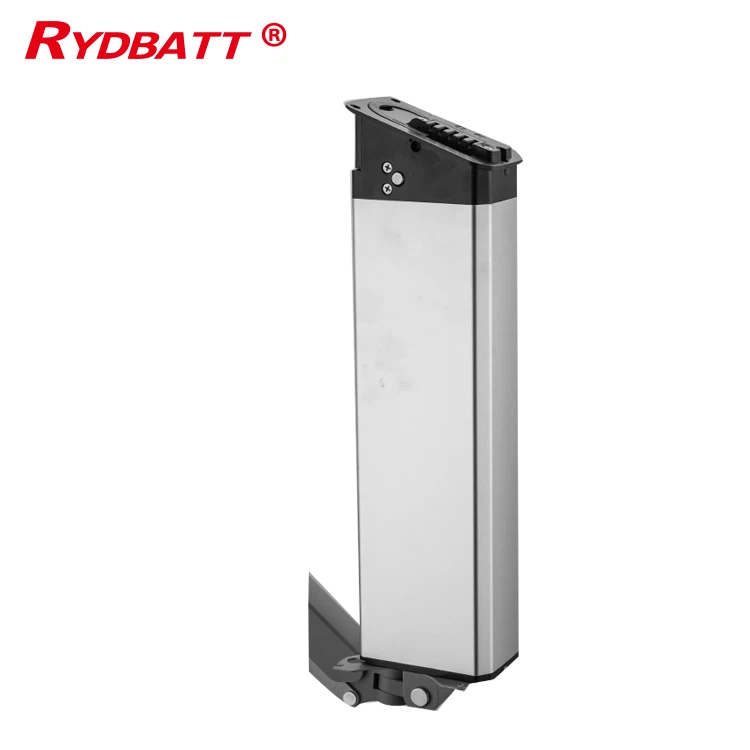
The enclosure and packaging of a 48V lithium battery pack play an important role in protecting the internal components from physical damage, moisture, and dust. The enclosure is typically made of a durable material, such as plastic or metal, and is designed to provide a secure and stable housing for the battery cells, BMS, and other components.
The packaging also includes electrical connectors and wiring to connect the battery pack to the load or charger. These connectors are designed to provide a reliable and safe electrical connection, and they are often color-coded or labeled to make it easy to identify the positive and negative terminals.
Applications of 48V Lithium Battery Packs
48V lithium battery packs are widely used in a variety of applications, including electric bikes, electric scooters, golf carts, and small electric vehicles. They are also used in some renewable energy systems, such as solar power storage and off-grid power systems.
For electric bikes, a 48V lithium battery pack can provide enough power to drive the bike for a significant distance on a single charge. The high energy density and lightweight nature of lithium battery packs make them an ideal choice for electric bikes, as they can help to improve the performance and range of the bike without adding too much weight.
If you are interested in other voltage options for your electric bike, we also offer E-Bike 36V Lithium Battery and 36V 48V 52V Ebike Battery Pack. Our 36V 10Ah Lithium Battery is also a popular choice for many electric bike users.

Conclusion
In conclusion, a 48V lithium battery pack is a complex system that consists of multiple lithium cells, a Battery Management System (BMS), thermal management components, and an enclosure. Understanding the internal structure of a 48V lithium battery pack is essential for anyone looking to use or purchase these power sources. By choosing the right type of lithium cells, implementing proper series and parallel connections, and using a reliable BMS and thermal management system, we can ensure the safety, performance, and longevity of the battery pack.
If you are in the market for a high-quality 48V lithium battery pack, please feel free to contact us for more information. We are a professional supplier of lithium battery packs, and we can provide you with customized solutions to meet your specific needs. Whether you are an electric bike manufacturer, a renewable energy system installer, or an individual consumer, we are here to help you find the right battery pack for your application.
References
- Linden, D., & Reddy, T. B. (2002). Handbook of Batteries (3rd ed.). McGraw-Hill.
- Wang, C. Y., & Savagian, P. (2006). Lithium-Ion Batteries for Electric and Hybrid Electric Vehicles. SAE International.
- Chen, Z., & Dai, H. (2012). Advanced Batteries for Electric Vehicles. Chemical Reviews, 112(7), 6027-6058.


