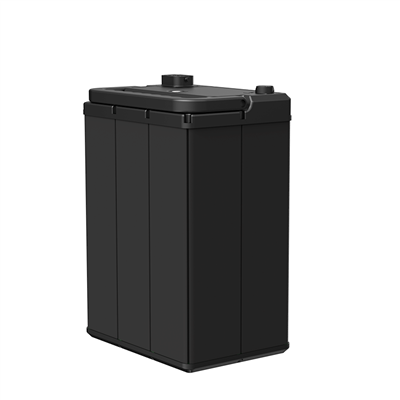

Hey there! As a supplier of electric scooter batteries, I get tons of questions from customers. One that pops up quite often is, "Can I charge my electric scooter battery in the rain?" It's a valid concern, especially for those of us who live in areas with unpredictable weather or just like to take our scooters out in all conditions. Let's dive into this topic and find out what's safe and what's not.
First off, let's talk about the basics of electric scooter batteries. Most modern scooters use lithium - ion batteries, which are known for their high energy density, long lifespan, and relatively low self - discharge rate. These batteries are pretty awesome, but they're also sensitive to certain environmental factors, like water.
Water and electricity are a dangerous combination, as we all know from basic science class. When you try to charge your electric scooter battery in the rain, there's a high risk of water getting into the charging port or the battery itself. If water seeps into the charging port, it can cause a short circuit. A short circuit happens when the electrical current takes an unintended path, usually because of a breakdown in the insulation. This can lead to a sudden surge of current, which might damage the battery, the charger, or even pose a fire hazard.
Imagine this: you're in a hurry to get your scooter charged, and it's drizzling outside. You think, "It's just a little rain, it won't hurt." But that little bit of water can be enough to cause big problems. The water can corrode the metal contacts in the charging port over time. Corrosion is like rust, and it can prevent the proper flow of electricity between the charger and the battery. This means your battery might not charge properly, or it could charge at a much slower rate.
Another issue is that water can cause the battery cells to degrade faster. Lithium - ion batteries have a specific chemical composition, and water can disrupt this balance. When water gets inside the battery, it can react with the lithium salts and other chemicals, leading to the formation of unwanted compounds. These compounds can reduce the battery's capacity over time, meaning you'll get less range on your scooter with each charge.
Now, I know some of you might be thinking, "But my scooter is waterproof, so it should be okay to charge it in the rain, right?" Well, while some scooters are advertised as waterproof, it's important to note that the waterproof rating usually applies to the scooter's body and motor, not necessarily the charging system. The charging port is often not as well - protected as the rest of the scooter, and it's the most vulnerable part when it comes to water damage.
Even if your scooter has a waterproof cover for the charging port, it's still not a good idea to charge it in the rain. There's always a chance that water could find its way in through small gaps or if the cover isn't properly sealed. And once water gets in, it can be difficult to dry out completely, leaving your battery at risk.
So, what should you do if you need to charge your scooter and it's raining? The best thing is to wait until the weather clears up. Find a dry, sheltered place to charge your scooter, like your garage or a covered porch. If you're out and about and it starts to rain while your scooter is charging, unplug it immediately and move it to a dry location.
But hey, I get it. Sometimes you can't wait for the rain to stop. In that case, you can use a waterproof charging bag. These bags are designed to keep your charger and the charging port dry while you charge your scooter. They're relatively inexpensive and can be a great investment if you often find yourself in wet conditions.
As a supplier, I want to make sure you get the most out of your electric scooter battery. That's why we offer Innovative Lithium - Ion Battery Solutions By RYDBATT Powering The Future With Precision And Reliability. Our batteries are built with high - quality materials and advanced technology to ensure long - lasting performance. We also have Powering Innovation Ryder New Energy, which is a great option for those who are looking for a more sustainable and efficient battery solution.


If you're in the market for a new battery, check out our 36V 10ah Ebike Battery. It's a popular choice among scooter owners because of its reliable performance and reasonable price.
In conclusion, charging your electric scooter battery in the rain is a big no - no. It's not worth the risk of damaging your battery, charger, or putting yourself in danger. Always make sure to charge your battery in a dry and safe environment. If you have any more questions about electric scooter batteries or need advice on choosing the right one for your scooter, don't hesitate to reach out. We're here to help you make the best decision for your needs. Whether you're a casual rider or a daily commuter, we've got the battery solutions to keep you on the move.
If you're interested in purchasing our electric scooter batteries or want to learn more about our products, we'd love to have a chat with you. Just drop us a line, and we'll be happy to discuss your requirements and provide you with all the information you need.
References:
- Battery University: A great resource for understanding the science behind lithium - ion batteries and their care.
- Electric Scooter Forums: Many real - world experiences and discussions about charging and using electric scooters in different conditions.