I. Different Concepts and Application Scenarios
Broadly speaking, all lithium batteries store electrical energy and thus fall under "energy storage batteries." To distinguish applications, the industry typically categorizes them into three types: consumer batteries (smartphones, laptops, etc.), power batteries (electric vehicles, power tools, etc.), and energy storage batteries (energy storage power stations, home storage, etc.).
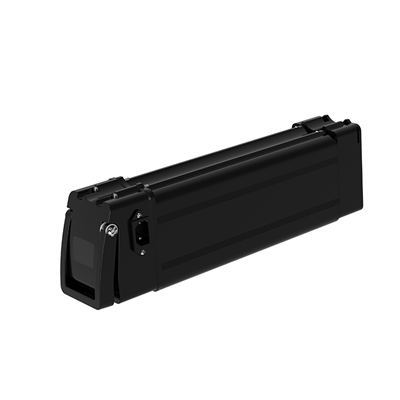
- Power lithium batteries: Mainly used in electric vehicles, e-bikes, e-scooters, electric forklifts, power tools, and other scenarios requiring high power output and rapid response.
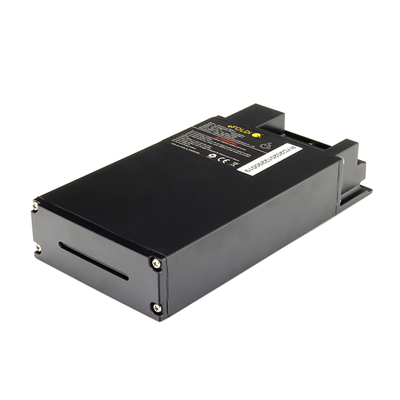
- Energy storage batteries: Primarily used for peak shaving and frequency regulation in power grids, renewable energy integration, microgrids, home and outdoor storage, emphasizing long-duration stable operation and ultra-long cycle life.
II. Different Performance and Technical Requirements
| Comparison Dimension | Power Lithium Battery | Energy Storage Battery |
| Core Indicators | Energy density, power density, range | Safety, cycle life, cost |
| Volumetric Energy Density | High (limited by vehicle space) | Low (stationary application) |
| Rate Performance | High-rate discharge and fast response required | Usually not required |
| Cycle Life | Typically 1,000–2,000 cycles | Typically >5,000 cycles |
| Cost Sensitivity | High (competition with traditional fuel vehicles) | Very high (competition with traditional peak-shaving tech) |
| Safety Requirements | High | Even higher (large-scale storage systems) |
III. Material System and Design Differences
While power and energy storage batteries share similar cathode/anode materials, electrolytes, and separators, their formulation and optimization priorities differ:
- Power batteries prioritize high energy density and high-rate performance, thus focusing on conductivity and structural stability.
- Energy storage batteries prioritize long cycle life, high safety, and low cost, with relatively relaxed requirements for rate capability and temperature adaptability.
IV. Differences in Battery Management Systems (BMS)
- Power BMS: Requires extremely high power response speed, SOC estimation accuracy, and dynamic balancing capability to adapt to complex driving conditions such as acceleration, deceleration, and start-stop.
- Energy Storage BMS: Involves large-scale systems (typically megawatt-level or above), adopting centralized or modular architectures, focusing more on long-term stability, data acquisition, and thermal management coordination.
V. Second-Life Utilization After Retirement
When a power lithium battery's capacity degrades below 80%, it is no longer suitable for electric vehicles. However, after proper screening and reconfiguration, it can still be used in applications with lower energy density requirements, such as low-speed electric vehicles, home energy storage, and backup power for communication base stations, enabling resource recycling.
Professional Capabilities of Ryder Electronics
With nearly two decades of experience in lithium battery system integration, Ryder Electronics offers products widely used in e-bikes, e-motorcycles, low-speed four-wheelers, power tools, outdoor backup power, energy storage systems, consumer electronics, and medical devices. The company possesses full capabilities in BMS R&D, PACK design, power management, and intelligent manufacturing, providing customized and highly reliable lithium battery solutions for both power and energy storage applications.
We are committed to delivering full lifecycle services - from cell selection to system integration - supporting the efficient utilization and sustainable development of green energy.