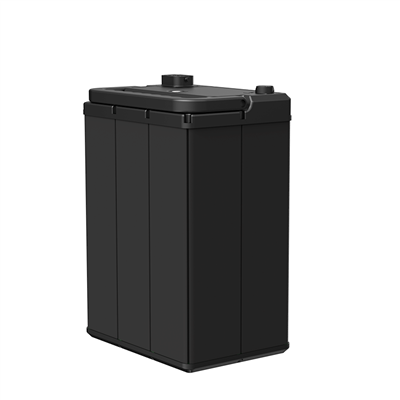

As a supplier of electric motorcycle batteries, I understand the importance of ensuring the longevity and performance of these power sources, especially in hot weather conditions. High temperatures can significantly impact the health of electric motorcycle batteries, leading to reduced capacity, shorter lifespan, and even potential safety hazards. In this blog, I'll share some practical tips on how to protect your electric motorcycle battery during the scorching summer months.


Understanding the Impact of Heat on Electric Motorcycle Batteries
Before delving into protective measures, it's crucial to understand how heat affects electric motorcycle batteries. Most electric motorcycles use lithium-ion batteries, which are sensitive to temperature changes. When exposed to high temperatures, the chemical reactions inside the battery accelerate, causing increased self-discharge and degradation of the battery's electrodes. This can lead to a loss of capacity over time, meaning your motorcycle will have a shorter range on a single charge. Additionally, excessive heat can cause the battery to overheat, which may trigger safety mechanisms or, in extreme cases, lead to thermal runaway – a dangerous condition where the battery can catch fire or explode.
Tips for Protecting Your Electric Motorcycle Battery in Hot Weather
1. Avoid Direct Sunlight and High-Temperature Environments
One of the simplest ways to protect your battery is to keep it out of direct sunlight and high-temperature environments. When parking your electric motorcycle, choose shaded areas such as under trees, in garages, or covered parking lots. If you don't have access to shade, consider using a battery cover or thermal insulation to reduce the amount of heat absorbed by the battery.
2. Optimize Charging Practices
Charging your battery correctly is crucial, especially in hot weather. Avoid charging your battery when it's hot, as this can cause additional stress on the battery cells. Instead, wait until the battery has cooled down to a normal temperature before plugging it in. Additionally, try to avoid overcharging your battery, as this can also lead to increased heat generation and battery degradation. Most modern electric motorcycles are equipped with built-in charging management systems that prevent overcharging, but it's still a good idea to monitor the charging process and unplug the charger once the battery is fully charged.
3. Use a Battery Cooling System
Some electric motorcycles are equipped with battery cooling systems that help regulate the temperature of the battery during operation and charging. If your motorcycle has a cooling system, make sure it's functioning properly and keep it clean to ensure efficient heat dissipation. If your motorcycle doesn't have a built-in cooling system, you may consider using an aftermarket cooling device or installing a fan to help keep the battery cool.
4. Monitor Battery Temperature
Regularly monitoring the temperature of your battery is essential for detecting potential issues early on. Many electric motorcycles have built-in temperature sensors that can provide real-time temperature readings. If your motorcycle doesn't have this feature, you can use an external temperature sensor to monitor the battery temperature. If you notice that the battery temperature is consistently high, take steps to cool it down immediately, such as parking in a shaded area or turning off the motorcycle to allow the battery to cool.
5. Maintain Proper Battery Hygiene
Keeping your battery clean and free of debris is important for maintaining its performance and longevity. Dirt, dust, and other contaminants can accumulate on the battery surface and reduce its ability to dissipate heat. Regularly clean the battery with a soft, dry cloth and avoid using abrasive materials or harsh chemicals that could damage the battery.
6. Store Your Motorcycle Properly
If you're not going to be using your electric motorcycle for an extended period, it's important to store it properly to protect the battery. Ideally, store the motorcycle in a cool, dry place with a temperature between 50°F and 77°F (10°C and 25°C). If you need to store the battery separately, make sure it's charged to around 50% and store it in a cool, dry place. Avoid storing the battery in direct sunlight or high-temperature environments, as this can cause the battery to degrade more quickly.
Our Recommended Electric Motorcycle Batteries
At our company, we offer a wide range of high-quality electric motorcycle batteries that are designed to withstand various weather conditions, including hot weather. Here are some of our popular products:
- 6.4V 12Ah LFP Battery Pack: This battery pack uses lithium iron phosphate (LFP) technology, which is known for its high safety, long cycle life, and excellent thermal stability. It's a great choice for electric motorcycles that require a reliable and durable power source.
- 25.2V 10Ah 7S3P 24V 18650 Power Lithium Battery Pack: This battery pack features a high-capacity 18650 lithium-ion battery cells, providing a long range and high performance. It's suitable for a variety of electric motorcycles and is designed to handle high temperatures effectively.
- 60V Electric Motorcycle Lithium Battery: With its high voltage and large capacity, this battery is ideal for electric motorcycles that require a powerful and long-lasting energy source. It's built with advanced lithium-ion technology and is equipped with safety features to protect against overcharging, over-discharging, and short circuits.
Contact Us for Your Battery Needs
If you're interested in our electric motorcycle batteries or have any questions about battery protection in hot weather, please don't hesitate to contact us. Our team of experts is always ready to provide you with the latest information and professional advice to help you choose the right battery for your electric motorcycle. We're committed to delivering high-quality products and excellent customer service to ensure your satisfaction.
References
- Tarascon, J.-M., & Armand, M. (2001). Issues and challenges facing rechargeable lithium batteries. Nature, 414(6861), 359-367.
- Goodenough, J. B., & Kim, Y. (2010). Challenges for rechargeable Li batteries. Chemistry of Materials, 22(3), 587-603.
- Winter, M., & Brodd, R. J. (2004). What are batteries, fuel cells, and supercapacitors?. Chemical Reviews, 104(10), 4245-4269.