



If you're an owner of a Li-ion battery charger, you may have encountered a situation where the charger gets hot during the charging process. This is a common concern among users, and as a Li-ion battery charger supplier, I'm here to shed light on this issue and provide you with practical solutions.
Understanding Why Li-ion Battery Chargers Get Hot
First and foremost, it's essential to understand that some heat generation during the charging process is normal. When an electrical current passes through the charger's components, such as resistors and transformers, it encounters resistance. According to Joule's law, the power dissipated as heat is proportional to the square of the current and the resistance (P = I²R). So, as the charger works to transfer energy to the battery, some of that energy is inevitably converted into heat.
However, excessive heat can be a sign of underlying problems. One common cause is overloading. If you're using a charger with a higher current output than the battery can handle, it can lead to overheating. For example, if your battery is rated for a maximum charging current of 2A, but you're using a charger that outputs 5A, the charger and the battery will likely get very hot.
Another possible cause is a faulty charger. Over time, the internal components of a charger can wear out or become damaged. A short circuit in the charger can cause a large amount of current to flow, resulting in excessive heat. Additionally, poor ventilation can also contribute to overheating. If the charger is placed in an enclosed space or covered with objects, the heat cannot dissipate effectively, causing the temperature to rise.
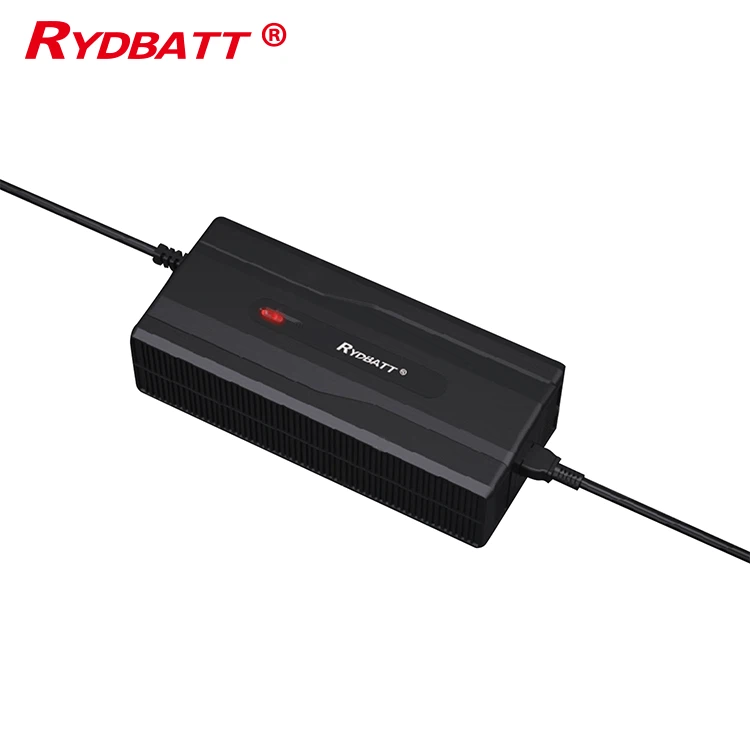

What to Do If Your Li-ion Battery Charger Gets Hot
Step 1: Check the Charging Conditions
The first thing you should do is to check the charging conditions. Make sure that you're using the correct charger for your battery. Refer to the battery's user manual or specifications to determine the appropriate charging current and voltage. For instance, our 54.6V 5A Li-ion Smart Charger is designed to charge specific Li-ion batteries with a compatible voltage and current rating. Using the wrong charger can not only cause overheating but also damage the battery.
Also, ensure that the charger is placed in a well-ventilated area. Avoid covering the charger with blankets, clothes, or other objects. If possible, place the charger on a flat, heat-resistant surface to allow for better heat dissipation.
Step 2: Monitor the Charging Process
Keep an eye on the charger and the battery during the charging process. If the charger continues to get extremely hot or if you notice any unusual smells or smoke, immediately stop the charging process and unplug the charger from the power source. These could be signs of a serious problem, such as a short circuit or a malfunctioning component.
Step 3: Inspect the Charger and Battery
After unplugging the charger, visually inspect it for any signs of damage. Look for cracks, burns, or loose connections. If you find any visible damage, do not attempt to use the charger again. Instead, contact a professional technician or the manufacturer for further assistance.
Similarly, inspect the battery for any signs of swelling, leakage, or damage. A swollen battery is a clear indication of a problem, and it should be handled with extreme caution. Do not attempt to charge a damaged battery, as it can be dangerous.
Step 4: Contact the Supplier or Manufacturer
If you've followed the above steps and are still experiencing problems with overheating, it's advisable to contact the supplier or manufacturer of the charger. As a Li-ion battery charger supplier, we have a team of experts who can provide you with technical support and guidance. We can help you diagnose the problem and determine whether the charger needs to be repaired or replaced.
Preventive Measures to Avoid Overheating
Choose the Right Charger
When purchasing a Li-ion battery charger, make sure to choose one that is compatible with your battery. Consider the battery's voltage, capacity, and charging requirements. Our Li Ion Battery Charger 54.6 V and E-Bike Charger 42V 3A are designed to meet the specific needs of different Li-ion batteries, ensuring safe and efficient charging.
Follow the Charging Instructions
Always follow the charging instructions provided by the battery and charger manufacturers. Do not overcharge the battery, as this can lead to overheating and reduce the battery's lifespan. Most modern Li-ion chargers are equipped with overcharge protection features, but it's still important to follow the recommended charging time and procedures.
Maintain the Charger and Battery
Regularly clean the charger and the battery to remove any dust or debris. This can help improve the charger's ventilation and prevent overheating. Also, store the battery and charger in a cool, dry place when not in use. Extreme temperatures can affect the performance and lifespan of both the battery and the charger.
Conclusion
In conclusion, while some heat generation during the charging process is normal, excessive heat can be a sign of a problem. By understanding the causes of overheating and following the steps outlined above, you can ensure the safe and efficient operation of your Li-ion battery charger.
If you're in the market for a high-quality Li-ion battery charger, we invite you to explore our product range. Our chargers are designed with the latest technology and safety features to provide you with reliable and efficient charging solutions. Whether you need a charger for your e-bike, electric scooter, or other Li-ion battery-powered devices, we have the right product for you.
If you have any questions or would like to discuss your specific requirements, please feel free to reach out to us. We're always happy to assist you with your purchasing decisions and provide you with the best possible service.
References
- Battery University: A comprehensive resource for battery-related information, including charging principles and safety guidelines.
- International Electrotechnical Commission (IEC) standards for Li-ion battery chargers, which provide specifications for safety and performance.


