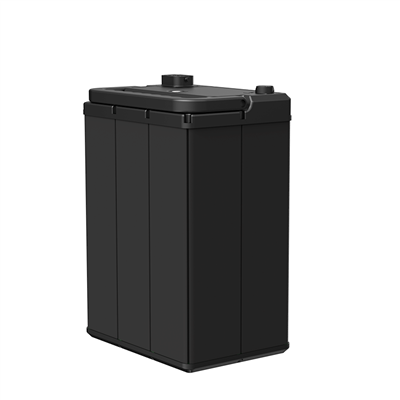

Hey there! I'm an energy storage supplier, and today I want to chat about the super important role of energy storage in load leveling. It's a topic that's getting more and more attention these days, especially as we look for ways to make our energy systems more efficient and reliable.
So, what exactly is load leveling? Well, in simple terms, it's all about balancing the supply and demand of electricity. You see, the demand for electricity isn't constant throughout the day. There are peak hours when everyone's using a lot of power, like in the evening when people get home from work, turn on the lights, fire up the TV, and start cooking dinner. And then there are off - peak hours, like in the middle of the night, when the demand drops way down.
On the supply side, some energy sources, like solar and wind, are intermittent. Solar power only works when the sun is shining, and wind power depends on the wind blowing. This means that the supply of electricity from these renewable sources can be quite variable. That's where energy storage comes in.
Energy storage acts like a buffer. During off - peak hours, when the demand for electricity is low and the supply might be high (for example, if it's a windy night or a sunny weekend with less industrial activity), we can store the excess electricity in energy storage systems. Then, during peak hours, when the demand is high and the supply might be low, we can release that stored energy back into the grid.
Let's take a look at some of the different types of energy storage systems and how they contribute to load leveling.
Batteries
Batteries are one of the most common types of energy storage. They're versatile and can be used in a variety of settings, from small - scale residential applications to large - scale grid - connected systems.


For homes, Storage Batteries for Home Use can be a game - changer. They allow homeowners to store excess electricity generated by their solar panels during the day and use it at night. This not only helps the homeowners save money on their electricity bills but also reduces the strain on the grid during peak hours.
On a larger scale, utility - scale battery storage systems are being installed all over the world. These systems can store huge amounts of electricity and can be charged and discharged quickly. They can respond to sudden changes in demand or supply, helping to keep the grid stable.
Pumped Hydro Storage
Pumped hydro storage is another well - established form of energy storage. It works by using excess electricity to pump water from a lower reservoir to a higher one. When electricity is needed, the water is released back down through turbines, generating electricity.
Pumped hydro storage systems are very large and can store a massive amount of energy. They're great for long - term storage and can provide a reliable source of power during peak demand periods. However, they require specific geographical conditions, such as suitable mountains and water sources, so they're not always an option everywhere.
Thermal Energy Storage
Thermal energy storage involves storing heat or cold. For example, during off - peak hours, excess electricity can be used to cool a large volume of water or ice. Then, during peak hours, the cold can be used for air - conditioning, reducing the need for electricity to run air - conditioning units.
Similarly, heat can be stored in materials like molten salt. This stored heat can be used to generate steam and drive a turbine to produce electricity when needed. Thermal energy storage can be a cost - effective way to level the load, especially in buildings with high heating and cooling demands.
Now, let's talk about the benefits of using energy storage for load leveling.
Grid Stability
One of the biggest benefits is improved grid stability. By storing excess electricity during off - peak hours and releasing it during peak hours, energy storage helps to balance the supply and demand of electricity. This reduces the likelihood of blackouts and brownouts, making the grid more reliable for everyone.
Integration of Renewable Energy
As I mentioned earlier, renewable energy sources like solar and wind are intermittent. Energy storage allows us to store the electricity generated by these sources when they're producing a lot and use it when they're not. This makes it easier to integrate renewable energy into the grid and reduces our reliance on fossil fuels.
Cost Savings
Energy storage can also lead to cost savings. By using stored energy during peak hours, we can avoid using more expensive forms of electricity generation, such as peaker plants. Peaker plants are usually only used during times of high demand and are often more expensive to operate.
For consumers, having an energy storage system at home can also save money. They can take advantage of lower electricity rates during off - peak hours and use the stored energy when rates are higher.
As an energy storage supplier, I'm really excited about the future of energy storage in load leveling. We have some great products to offer, like the 1024Wh High Capacity Power Bank With Solar Charging For Outdoor. This power bank is perfect for outdoor enthusiasts who need a reliable source of power. It can be charged using solar energy during the day and used to power devices at night.
We also have a range of Outdoor Portable Energy Storage solutions that are great for camping, RVing, or any other outdoor activities. These portable systems are easy to use and can provide a convenient source of power when you're away from the grid.
If you're interested in learning more about our energy storage products and how they can help with load leveling, whether it's for your home, business, or outdoor adventures, I'd love to hear from you. Contact us to start a conversation about your energy storage needs. We can work together to find the best solution for you and contribute to a more stable and sustainable energy future.
References
- DOE (Department of Energy). Energy Storage Basics.
- IEA (International Energy Agency). Energy Storage Technology Roadmap.
- Various industry reports on energy storage and grid integration.