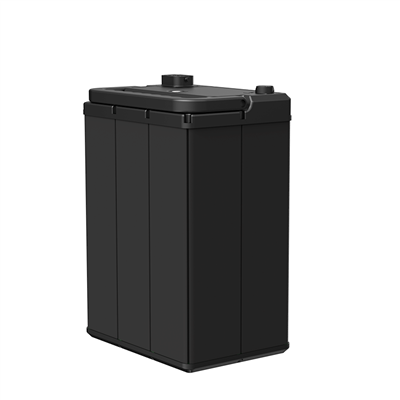

As a supplier of the E - Bike Charger 42V 3A, I've witnessed firsthand the growing demand for efficient and reliable e - bike chargers. In this blog, I'll delve into the effects of our E - Bike Charger 42V 3A on battery performance, exploring both the technical aspects and real - world implications.
Understanding the Basics of E - Bike Batteries
E - bike batteries are typically lithium - ion batteries, known for their high energy density, long cycle life, and relatively low self - discharge rate. These batteries are designed to store and release electrical energy to power the e - bike's motor. The performance of an e - bike battery is determined by several factors, including its capacity (measured in ampere - hours, Ah), voltage, and the quality of its cells.
The voltage of an e - bike battery is a crucial parameter. For many common e - bike battery configurations, a fully charged 36V lithium - ion battery pack has a nominal voltage of around 42V. This is where our E - Bike Charger 42V 3A comes into play. It is specifically designed to charge these types of batteries safely and efficiently.
The Role of Charging Voltage and Current
The 42V voltage of our charger is precisely set to match the fully charged voltage of a 36V lithium - ion battery pack. Applying the correct charging voltage is essential as overcharging or undercharging can have detrimental effects on the battery's performance and lifespan. Overcharging can lead to excessive heat generation, electrolyte decomposition, and the growth of lithium dendrites, which can cause short - circuits and even pose a safety risk. On the other hand, undercharging leaves the battery with less available energy, reducing the e - bike's range.
The 3A charging current is another important factor. The charging current determines how quickly the battery can be charged. A higher current generally means a shorter charging time. However, if the current is too high, it can also cause overheating and stress on the battery cells. Our 3A charging current is a well - balanced value that allows for a relatively fast charging time without putting excessive strain on the battery.
Positive Effects on Battery Performance
1. Fast and Efficient Charging
One of the most significant advantages of our E - Bike Charger 42V 3A is its ability to charge the battery quickly. With a 3A charging current, it can replenish the battery's energy in a reasonable amount of time. For example, if you have a 10Ah battery, using our charger, it would take approximately 3 - 4 hours to fully charge the battery (taking into account some charging losses). This fast charging capability is highly beneficial for e - bike users who are always on the go and need to get back on the road as soon as possible.
2. Battery Longevity
Our charger is designed with advanced charging algorithms that ensure a gentle and controlled charging process. This helps to extend the battery's cycle life. By avoiding overcharging and overheating, the battery cells are less likely to degrade over time. A longer - lasting battery means less frequent battery replacements for e - bike owners, which not only saves money but also reduces environmental waste.


3. Consistent Performance
The 42V 3A charger maintains a stable charging voltage and current throughout the charging process. This consistency ensures that the battery is charged evenly, and all cells in the battery pack receive the same amount of charge. As a result, the battery can deliver a more consistent performance over its lifespan, providing a reliable power source for the e - bike.
Comparing with Other Chargers
To better understand the performance of our E - Bike Charger 42V 3A, let's compare it with some other chargers in the market. For instance, the 54.6V 2A Charger is designed for higher - voltage battery packs, typically 48V lithium - ion batteries. The lower charging current of 2A means that it will take longer to charge the battery compared to our 3A charger.
On the other hand, the 54.6V 5A Li - ion Smart Charger has a much higher charging current. While it can charge the battery very quickly, it may also generate more heat and potentially cause more stress on the battery cells if not properly regulated. Our 42V 3A charger strikes a balance between charging speed and battery safety, making it a great choice for 36V e - bike batteries.
Real - World Implications
In the real world, the performance of our E - Bike Charger 42V 3A has a direct impact on e - bike users' experience. Faster charging times mean more time on the road and less time waiting for the battery to charge. This is especially important for commuters who rely on their e - bikes for daily transportation.
Moreover, the extended battery lifespan reduces the overall cost of ownership for e - bike users. They don't have to replace the battery as often, which saves money in the long run. And the consistent performance of the battery ensures a smooth and reliable riding experience, whether it's a short trip to the grocery store or a long - distance adventure.
Conclusion and Call to Action
In conclusion, our E - Bike Charger 42V 3A has a profound and positive effect on battery performance. It offers fast and efficient charging, extends battery longevity, and provides consistent performance. If you're an e - bike manufacturer, distributor, or an individual looking for a high - quality charger for your 36V e - bike battery, our E - Bike Charger 42V 3A is the ideal choice.
We are always ready to discuss your specific requirements and provide you with the best charging solutions. Whether you need a small quantity for personal use or a large - scale order for your business, we can accommodate your needs. Contact us today to start a procurement discussion and take advantage of our high - quality chargers.
References
- Linden, D., & Reddy, T. B. (2002). Handbook of Batteries. McGraw - Hill.
- Tarascon, J. M., & Armand, M. (2001). Issues and challenges facing rechargeable lithium batteries. Nature, 414(6861), 359 - 367.