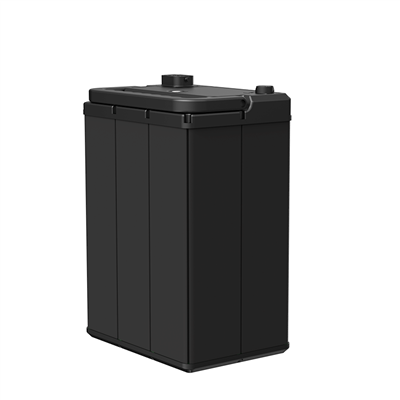

In today's fast - paced world, the demand for rapid charging of lithium - ion (Li - ion) batteries is ever - increasing. As a supplier of Li - ion battery chargers, I understand the importance of addressing this need. This blog post will explore various strategies to increase the charging speed of Li - ion battery chargers while ensuring safety and battery longevity.
Understanding Li - ion Battery Charging Basics
Before delving into how to increase charging speed, it's essential to understand the fundamental charging process of Li - ion batteries. Li - ion batteries typically go through two main charging phases: the constant - current (CC) phase and the constant - voltage (CV) phase.
In the CC phase, the charger supplies a constant current to the battery. This is when the battery charges at a relatively fast rate, as the voltage across the battery gradually rises. Once the battery voltage reaches a predefined level, the charger switches to the CV phase. In this phase, the charger maintains a constant voltage while the charging current gradually decreases as the battery approaches full charge.
Increasing Charging Current
One of the most straightforward ways to increase the charging speed is to increase the charging current during the CC phase. A higher charging current allows more lithium ions to move between the battery's electrodes, thereby reducing the overall charging time.
However, increasing the charging current comes with several challenges. Firstly, it generates more heat. Excessive heat can damage the battery's internal structure, reduce its capacity over time, and even pose a safety risk. To mitigate this, chargers need to be equipped with effective thermal management systems. This could include heat sinks, fans, or liquid cooling systems to dissipate the heat generated during high - current charging.
As a supplier, we offer chargers with different current ratings. For example, our 54.6V 5A Li - ion Smart Charger provides a higher charging current compared to our 54.6V 2A Charger, allowing for faster charging times.
Advanced Charging Algorithms
Another approach to increasing charging speed is through the use of advanced charging algorithms. Traditional chargers often follow a fixed charging profile, which may not be optimized for all battery conditions. Advanced algorithms can adapt to the battery's state of charge, temperature, and other parameters in real - time.
For instance, some algorithms can adjust the charging current based on the battery's temperature. If the battery temperature rises too high during charging, the algorithm can temporarily reduce the charging current to prevent overheating. Once the temperature drops to a safe level, the charging current can be increased again.

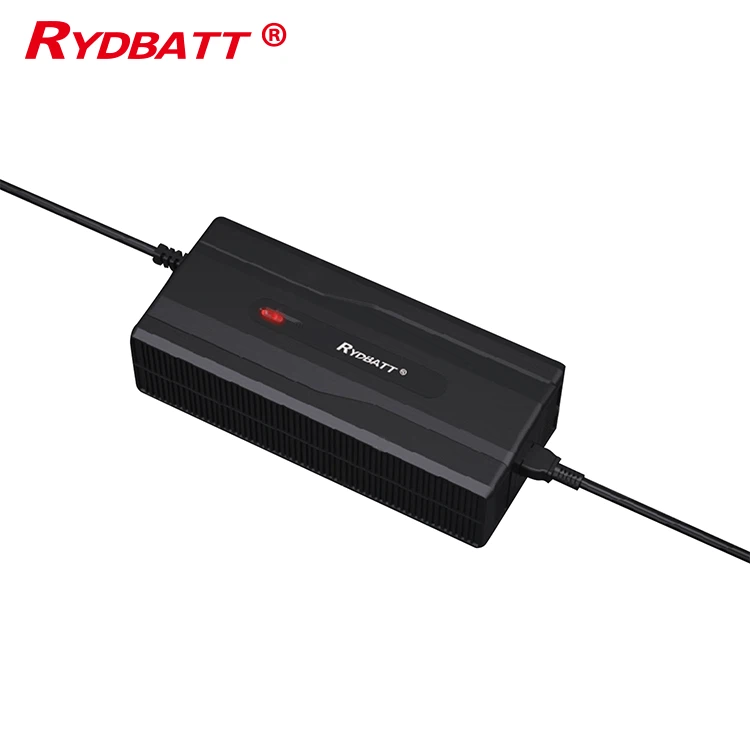
Moreover, these algorithms can also detect the battery's state of health. If a battery has degraded over time, the algorithm can adjust the charging process to ensure that it is charged safely and efficiently. Our Li Ion Battery Charger 54.6 V is equipped with intelligent charging algorithms that optimize the charging process for faster and safer charging.
Battery Design and Chemistry
The design and chemistry of the Li - ion battery itself also play a crucial role in determining the charging speed. Some battery chemistries are more suitable for fast charging than others. For example, lithium - titanate (LTO) batteries have a higher charge acceptance rate compared to traditional lithium - cobalt - oxide (LCO) batteries.
In addition, the internal structure of the battery can be optimized for fast charging. Batteries with thinner electrodes and a larger surface area allow for faster lithium - ion diffusion, which in turn enables faster charging. As a charger supplier, we work closely with battery manufacturers to ensure that our chargers are compatible with different battery designs and chemistries, providing the best charging performance.
Power Supply Capacity
The power supply that the charger is connected to also affects the charging speed. A charger can only supply as much current as the power supply can provide. Therefore, using a high - capacity power supply is essential for fast charging.
For industrial applications, three - phase power supplies can provide a larger amount of power compared to single - phase power supplies. In addition, power supplies with high power density can deliver more power in a smaller form factor, making them suitable for various applications.
Charger Efficiency
The efficiency of the charger itself is another factor that impacts charging speed. A more efficient charger converts a higher percentage of the input power into useful charging power for the battery. Chargers with low efficiency waste a significant amount of energy in the form of heat, which not only slows down the charging process but also increases the operating cost.
Modern chargers use advanced power electronics components and circuit topologies to improve efficiency. For example, the use of gallium nitride (GaN) transistors can reduce power losses and increase the charger's efficiency. As a charger supplier, we are constantly researching and developing new technologies to improve the efficiency of our chargers, thereby increasing the charging speed and reducing energy consumption.
Safety Considerations
While increasing the charging speed is important, safety should always be the top priority. Fast charging can increase the risk of overcharging, overheating, and short - circuits, which can lead to battery damage or even safety hazards.
To ensure safety, chargers should be equipped with multiple protection mechanisms. These include over - current protection, over - voltage protection, under - voltage protection, and temperature protection. In addition, the charger should be designed to meet relevant safety standards and regulations.
Conclusion
Increasing the charging speed of Li - ion battery chargers requires a multi - faceted approach. By increasing the charging current, using advanced charging algorithms, optimizing battery design and chemistry, ensuring sufficient power supply capacity, improving charger efficiency, and implementing strict safety measures, we can achieve faster charging times while maintaining battery safety and longevity.
As a leading supplier of Li - ion battery chargers, we are committed to providing high - quality chargers that meet the diverse needs of our customers. Whether you are looking for a fast - charging solution for consumer electronics, electric vehicles, or industrial applications, we have the right charger for you.
If you are interested in our products or have any questions about increasing the charging speed of Li - ion battery chargers, we encourage you to contact us for a detailed discussion and potential procurement. We look forward to working with you to meet your charging needs.
References
- "Lithium - Ion Batteries: Science and Technologies" by Yoshio Nishi, Akiya Kanno, and Masaki Yoshio.
- "Battery Management Systems: Design by Modeling and Identification" by Ali Emadi and Mehrdad Ehsani.
- "Fundamentals of Power Electronics" by Robert W. Erickson and Dragan Maksimovic.