
In the realm of electronic devices, finding a reliable charger is crucial, especially when it comes to specific voltage and current requirements like a 54.6V 2A charger. As a supplier of high - quality 54.6V 2A chargers, I understand the importance of making an informed choice. In this blog, I'll share some key factors to consider when selecting a reliable 54.6V 2A charger.
Compatibility
One of the first things to check is the compatibility of the charger with your device. Not all 54.6V 2A chargers are created equal, and different devices may have specific charging protocols and requirements. For instance, if you're charging a lithium - ion battery pack in an e - bike, the charger needs to be designed to work with the battery's chemistry and the bike's electrical system.
A charger that is not compatible can lead to under - charging or over - charging, which can significantly reduce the lifespan of your battery. Some batteries have built - in protection circuits, but using an incompatible charger can still cause issues. When choosing a charger, make sure it is specifically designed for the type of device you want to charge. Our 54.6V 2A Charger is engineered to be compatible with a wide range of lithium - ion battery systems, ensuring safe and efficient charging.
Safety Features
Safety should always be a top priority when selecting a charger. A reliable 54.6V 2A charger should come with a variety of safety features to protect both the charger and the device being charged.
Over - Voltage Protection (OVP)
Over - voltage protection prevents the charger from outputting a voltage higher than the specified 54.6V. If the voltage exceeds the safe level, it can damage the battery and the connected device. Our chargers are equipped with advanced OVP circuits that monitor the output voltage constantly and shut down the charger if an over - voltage situation is detected.
Over - Current Protection (OCP)
Over - current protection ensures that the charger does not supply more current than the 2A rating. Excessive current can cause overheating, which is a major safety hazard. Our chargers have OCP mechanisms that limit the current flow to a safe level, protecting the battery and the charger from damage.
Short - Circuit Protection (SCP)
Short - circuit protection is essential in case there is a short circuit in the charging cable or the device being charged. When a short circuit occurs, the charger should immediately cut off the power to prevent any damage. Our chargers are designed with robust SCP features that react quickly to short - circuit situations.
Thermal Protection
Thermal protection helps prevent the charger from overheating during operation. High temperatures can degrade the charger's components and reduce its lifespan. Our chargers are built with thermal sensors that monitor the temperature and adjust the charging process or shut down the charger if the temperature exceeds a safe limit.
Build Quality
The build quality of a charger can have a significant impact on its reliability and durability. A well - built charger is more likely to withstand the rigors of daily use and last longer.
Materials
The materials used in the charger's construction are important. High - quality chargers are typically made with durable plastics and metal components. The internal circuitry should be made with high - grade electronic components that can handle the 54.6V and 2A requirements. Our chargers are constructed using high - quality materials that are resistant to heat, moisture, and physical damage.
Circuit Board Design
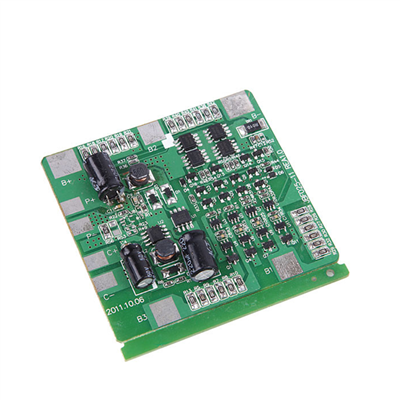
A good charger should have a well - designed circuit board. The circuit layout should be optimized for efficient power transfer and heat dissipation. Our chargers feature advanced circuit board designs that ensure stable performance and reduce the risk of electrical interference.
Enclosure
The charger's enclosure should be sturdy and provide adequate protection for the internal components. It should also have proper ventilation to allow heat to escape. Our chargers have enclosures that are designed to be both protective and well - ventilated, ensuring reliable operation in various environments.
Efficiency
Efficiency is an important factor to consider when choosing a charger. An efficient charger can convert more of the electrical energy it consumes into useful charging power, reducing energy waste and saving you money in the long run.
Power Conversion Efficiency
Power conversion efficiency is the ratio of the output power (54.6V x 2A = 109.2W) to the input power. A high - efficiency charger will have a power conversion efficiency of over 90%. Our chargers are designed to be highly efficient, minimizing energy loss and reducing your electricity bill.
Standby Power Consumption
Standby power consumption refers to the amount of power the charger consumes when it is plugged in but not actively charging a device. A good charger should have low standby power consumption to save energy. Our chargers are engineered to have very low standby power consumption, making them more environmentally friendly.
Brand Reputation
The brand reputation of a charger supplier can give you an idea of the quality and reliability of their products. A well - established brand with a good reputation is more likely to produce high - quality chargers.
Customer Reviews
Reading customer reviews can provide valuable insights into the performance and reliability of a charger. Look for chargers that have positive reviews from customers who have used them in similar applications. Our company has a long - standing reputation for providing high - quality chargers, and our customers have consistently praised the performance and reliability of our 54.6V 2A Charger.
Industry Experience
A supplier with extensive industry experience is more likely to have the knowledge and expertise to produce reliable chargers. Our company has been in the charger manufacturing industry for many years, and we have continuously improved our products based on the latest technological advancements and customer feedback.
Price
While price is an important consideration, it should not be the only factor when choosing a charger. A very cheap charger may not have the necessary safety features and build quality, which can end up costing you more in the long run due to battery damage or charger failure.
However, you don't necessarily have to pay a premium price for a reliable charger. Our 54.6V 2A Charger offers a great balance between price and quality. We strive to provide our customers with high - quality chargers at competitive prices.


Additional Features
Some chargers may come with additional features that can enhance the charging experience.
Smart Charging
Smart charging features, such as battery status monitoring and charging profile adjustment, can optimize the charging process and extend the battery's lifespan. Our chargers have smart charging capabilities that can adapt to the battery's state of charge and adjust the charging parameters accordingly.
Multiple Charging Modes
Some chargers offer multiple charging modes, such as fast charging and trickle charging. Fast charging can quickly charge the battery to a certain level, while trickle charging can be used to top off the battery and maintain its charge. Our chargers support multiple charging modes to meet different user needs.
If you're in the market for a reliable 54.6V 2A charger, consider the factors mentioned above. Our company is committed to providing high - quality chargers that meet the highest standards of safety, performance, and reliability. We also offer a range of other chargers, such as the 54.6V 5A Li - ion Smart Charger and the E - Bike Charger 42V 3A.
If you have any questions or would like to discuss your specific charging needs, please feel free to reach out to us. We look forward to the opportunity to work with you and provide you with the best charging solutions.
References
- Charger Safety Standards and Guidelines, International Electrotechnical Commission (IEC)
- Lithium - Ion Battery Charging Principles, Battery University
- Power Electronics Design and Efficiency, IEEE Transactions on Power Electronics