
Thermal energy storage and battery energy storage are two prominent methods in the field of energy storage, each with its unique characteristics, advantages, and limitations. As an energy storage supplier, it is essential to understand the nuances of both technologies to offer the best solutions to our customers. This blog post will delve into a comprehensive comparison between thermal energy storage and battery energy storage.
Operating Principles
Thermal energy storage (TES) operates on the principle of storing heat for later use. It can store thermal energy in various forms, such as sensible heat, latent heat, or thermo - chemical heat. For sensible heat storage, materials like water, molten salts, or rocks are used. The thermal energy is stored by changing the temperature of the storage medium. In latent heat storage, phase - change materials (PCMs) are employed. The energy is stored during the phase transition of the material, for example, from solid to liquid, which occurs at a relatively constant temperature. Thermo - chemical storage involves reversible chemical reactions that store or release energy.
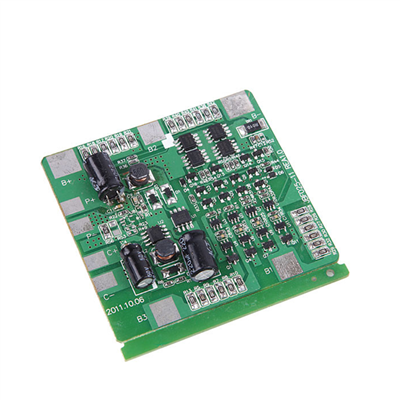
On the other hand, battery energy storage (BES) stores electrical energy through electrochemical reactions. Batteries are composed of an anode, a cathode, and an electrolyte. When charging, electrical energy is converted into chemical energy and stored in the battery. During discharging, the chemical energy is converted back into electrical energy. Common types of batteries include lead - acid batteries, lithium - ion batteries, and flow batteries.
Energy Density
Energy density is a crucial factor when comparing energy storage technologies. Battery energy storage generally has a higher energy density compared to thermal energy storage. Lithium - ion batteries, for instance, can store a significant amount of energy in a relatively small volume. This high energy density makes batteries suitable for applications where space is limited, such as in electric vehicles and small - scale portable power stations like the 2400W Portable Power Station.
Thermal energy storage systems, however, have lower energy densities. The large volume of storage materials required to store a significant amount of thermal energy can be a drawback in applications with space constraints. But for large - scale stationary applications where space is not a major issue, such as in industrial processes or district heating systems, TES can still be a viable option.
Efficiency
The efficiency of energy storage systems is another important consideration. Battery energy storage systems can achieve high round - trip efficiencies, especially lithium - ion batteries, which can have efficiencies of up to 90% or even higher. This means that a large proportion of the electrical energy used to charge the battery can be retrieved during discharging.
In thermal energy storage, the efficiency depends on the type of storage medium and the system design. Sensible heat storage systems may have lower efficiencies due to heat losses during storage and retrieval. Latent heat storage systems can be more efficient, but the efficiency can still be affected by factors such as the phase - change temperature range and the heat transfer characteristics of the PCM. Thermo - chemical storage systems can potentially achieve high efficiencies, but they are still in the experimental stage and face challenges in terms of scalability and cost.
Charge and Discharge Rates
Battery energy storage systems are known for their fast charge and discharge rates. Lithium - ion batteries can be charged and discharged rapidly, which makes them suitable for applications that require quick response times, such as frequency regulation in the power grid. They can also provide high - power output for short periods, which is useful in applications like electric vehicle acceleration.
Thermal energy storage systems typically have slower charge and discharge rates. The process of heating or cooling the storage medium takes time, and the rate of heat transfer is often limited by the properties of the storage material and the heat exchanger design. However, for applications where a continuous and steady supply of heat is required over a long period, such as in building heating, the slower charge and discharge rates of TES may not be a significant drawback.
Cost
The cost of energy storage is a major factor influencing its adoption. Battery energy storage systems, especially lithium - ion batteries, have seen a significant reduction in cost in recent years due to technological advancements and economies of scale. However, the upfront cost of batteries can still be relatively high, especially for large - scale applications. Additionally, the cost of battery recycling and disposal needs to be considered over the battery's lifecycle.
Thermal energy storage systems can have lower upfront costs, especially for sensible heat storage using common materials like water or rocks. The operating and maintenance costs of TES systems are also generally lower compared to BES systems. However, the cost - effectiveness of TES depends on the specific application and the availability of low - cost storage materials.
Environmental Impact
Battery energy storage has some environmental concerns. The production of batteries, especially lithium - ion batteries, requires the extraction of raw materials such as lithium, cobalt, and nickel, which can have significant environmental impacts, including water pollution and habitat destruction. The disposal of batteries also poses challenges due to the presence of toxic materials.
Thermal energy storage, on the other hand, is generally considered more environmentally friendly. Most thermal storage materials, such as water, rocks, and many PCMs, are non - toxic and abundant. However, the energy used to charge the TES system needs to be considered. If the energy source is from fossil fuels, the overall environmental impact may be less favorable.
Applications
Battery energy storage is widely used in a variety of applications. In residential settings, home batteries like Storage Batteries for Home Use can store excess solar energy generated during the day for use at night, reducing reliance on the grid. In the transportation sector, electric vehicles rely on battery energy storage for propulsion. In the power grid, batteries are used for frequency regulation, peak shaving, and grid stability improvement.
Thermal energy storage is commonly used in industrial processes, such as in food processing and chemical manufacturing, where waste heat can be stored and reused. In the building sector, TES can be used for air - conditioning and heating. For example, a building can store cold energy during off - peak hours for use during peak cooling demand. The T600 Supports Solar Charging with MPPT can also be integrated with thermal or battery energy storage systems to enhance the overall energy efficiency of a system.


Conclusion
In conclusion, both thermal energy storage and battery energy storage have their own strengths and weaknesses. Battery energy storage offers high energy density, fast charge and discharge rates, and high efficiency, making it suitable for applications that require quick response and high - power output. Thermal energy storage, on the other hand, has lower costs, is more environmentally friendly in some aspects, and is well - suited for large - scale stationary applications where a continuous supply of heat or cold is needed.
As an energy storage supplier, we understand the importance of providing customized solutions based on our customers' specific needs. Whether it is a small - scale residential application or a large - scale industrial project, we can help you evaluate the most suitable energy storage technology. If you are interested in learning more about our energy storage products or would like to discuss a potential project, we encourage you to reach out to us for a procurement consultation. We are committed to helping you make the best energy storage decisions for your needs.
References
- "Energy Storage Handbook" by the U.S. Department of Energy
- "Battery Energy Storage Systems: Design and Analysis" by various authors in the field of electrical engineering
- "Thermal Energy Storage: Systems and Applications" by Jürgen Fricke and Dieter Heinzl