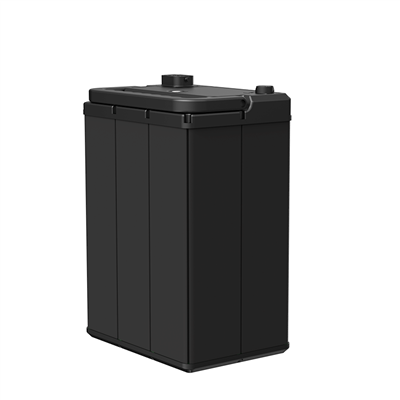

Power density is a crucial factor in determining the performance and suitability of Li Ion Polymer Batteries for various applications. As a leading supplier of Li Ion Polymer Batteries, I have witnessed firsthand how power density can significantly impact the use of these batteries. In this blog post, I will explore the concept of power density, its importance, and how it affects the practical applications of Li Ion Polymer Batteries.
Understanding Power Density
Power density is defined as the amount of power that can be delivered per unit volume or mass of a battery. It is typically measured in watts per liter (W/L) or watts per kilogram (W/kg). A battery with a high power density can deliver a large amount of power in a relatively small and lightweight package, making it ideal for applications where space and weight are critical factors.
In the context of Li Ion Polymer Batteries, power density is influenced by several factors, including the battery's chemistry, design, and manufacturing process. For example, batteries with a higher energy density (measured in watt-hours per liter or watt-hours per kilogram) generally have a lower power density, as they are designed to store more energy rather than deliver it quickly. On the other hand, batteries with a lower energy density may have a higher power density, as they are optimized for high-power applications.
Importance of Power Density
The power density of Li Ion Polymer Batteries is important for several reasons. Firstly, it determines the battery's ability to deliver high power outputs, which is essential for applications such as electric vehicles, power tools, and drones. In these applications, the battery needs to be able to provide a large amount of power quickly to meet the demands of the device. A battery with a high power density can deliver this power more efficiently, resulting in better performance and longer battery life.
Secondly, power density affects the size and weight of the battery. In many applications, such as portable electronics and wearables, space and weight are limited. A battery with a high power density can provide the same amount of power as a larger, heavier battery, but in a smaller and lighter package. This makes it easier to integrate the battery into the device and reduces the overall weight of the product.
Finally, power density is also important for safety reasons. Batteries with a high power density generate more heat during operation, which can increase the risk of thermal runaway and other safety issues. Therefore, it is important to ensure that the battery is designed and manufactured to handle the high power outputs without overheating or causing other safety problems.
Impact on Different Applications
The power density of Li Ion Polymer Batteries has a significant impact on their use in different applications. Here are some examples:
Electric Vehicles (EVs)
In electric vehicles, power density is crucial for achieving high performance and long range. A battery with a high power density can provide the necessary power to accelerate the vehicle quickly and maintain a high speed. It also allows for faster charging times, which is important for the convenience of EV owners. For example, 37V 3200mAh Li Polymer Battery can be a suitable option for electric vehicles, providing a good balance between power density and energy capacity.
Power Tools
Power tools require a battery that can deliver high power outputs for short periods of time. A battery with a high power density can provide the necessary power to drive the tool's motor and perform the required tasks. It also allows for longer run times between charges, which is important for professional users. For instance, our Lightweight 780mAh Battery is designed to provide high power density for power tools, making it a popular choice among users.
Portable Electronics
Portable electronics, such as smartphones, tablets, and laptops, require a battery that is small, lightweight, and can provide a long battery life. A battery with a high power density can meet these requirements by providing a large amount of power in a small and lightweight package. It also allows for faster charging times, which is important for the convenience of users. Our Facial Cleansing Brush Battery 7.4V is an example of a battery with high power density that is suitable for portable electronics.
Drones
Drones require a battery that can provide high power outputs for short periods of time to achieve takeoff, landing, and maneuvering. A battery with a high power density can provide the necessary power to drive the drone's motors and perform the required tasks. It also allows for longer flight times, which is important for commercial and recreational users.
Challenges and Solutions
While high power density is desirable for many applications, it also presents some challenges. One of the main challenges is the generation of heat during operation. Batteries with a high power density generate more heat, which can increase the risk of thermal runaway and other safety issues. To address this challenge, battery manufacturers use various techniques, such as thermal management systems and advanced battery chemistries, to reduce the heat generation and improve the safety of the battery.
Another challenge is the limited cycle life of high-power batteries. Batteries with a high power density tend to have a shorter cycle life compared to batteries with a lower power density. This is because the high power outputs put more stress on the battery's electrodes and electrolyte, leading to faster degradation. To address this challenge, battery manufacturers use advanced materials and manufacturing processes to improve the cycle life of the battery.


Conclusion
In conclusion, the power density of Li Ion Polymer Batteries plays a crucial role in determining their performance and suitability for various applications. A battery with a high power density can provide a large amount of power in a small and lightweight package, making it ideal for applications where space and weight are critical factors. However, high power density also presents some challenges, such as heat generation and limited cycle life. Battery manufacturers are constantly working to improve the power density and safety of Li Ion Polymer Batteries through the use of advanced materials and manufacturing processes.
If you are interested in purchasing Li Ion Polymer Batteries for your application, please contact us to discuss your requirements. Our team of experts can help you select the right battery for your needs and provide you with the technical support you need to ensure the successful integration of the battery into your product.
References
- Arora, P., Zhang, Z., & White, R. E. (1999). Comparison of Modeling Predictions with Experimental Data from Plastic Lithium Ion Cells. Journal of The Electrochemical Society, 146(10), 3626-3639.
- Tarascon, J. M., & Armand, M. (2001). Issues and challenges facing rechargeable lithium batteries. Nature, 414(6861), 359-367.
- Goodenough, J. B., & Kim, Y. (2010). Challenges for rechargeable Li batteries. Chemistry of Materials, 22(3), 587-603.