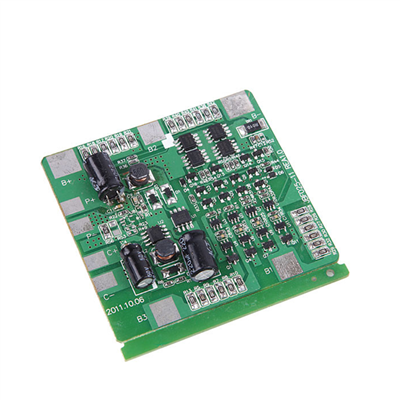

In the ever - evolving world of e - bikes, the charger plays a pivotal role in ensuring the longevity and performance of the battery. As a leading supplier of E - Bike Chargers, specifically the 42V 3A model, I often encounter questions from customers regarding various features of our chargers. One of the most frequently asked questions is whether our E - Bike Charger 42V 3A has a temperature - compensation function. In this blog post, I will delve deep into this topic, providing you with a comprehensive understanding of temperature - compensation in e - bike chargers and how it relates to our product.
Understanding Temperature - Compensation in E - Bike Chargers
Before we discuss whether our 42V 3A charger has a temperature - compensation function, it's essential to understand what temperature - compensation means in the context of e - bike chargers. Lithium - ion batteries, which are commonly used in e - bikes, are sensitive to temperature. Extreme temperatures, both high and low, can have a significant impact on the battery's charging process, performance, and lifespan.
At high temperatures, the chemical reactions inside the battery occur more rapidly. If a charger continues to supply the same amount of current and voltage as it would at normal temperatures, it can lead to overcharging. Overcharging can cause the battery to overheat, which may result in reduced battery capacity, shortened lifespan, and in extreme cases, safety hazards such as thermal runaway.
Conversely, at low temperatures, the chemical reactions slow down. Charging a battery at low temperatures without proper adjustment can lead to undercharging. Undercharging leaves the battery with less capacity than it should have, reducing the e - bike's range and overall performance.
A temperature - compensation function in a charger addresses these issues by adjusting the charging parameters based on the battery's temperature. When the temperature is high, the charger reduces the charging current and voltage to prevent overcharging. When the temperature is low, it may increase the charging time or adjust the voltage slightly to ensure proper charging.
Does Our E - Bike Charger 42V 3A Have a Temperature - Compensation Function?
Yes, our E - Bike Charger 42V 3A is equipped with a temperature - compensation function. We understand the importance of protecting the battery from the adverse effects of temperature variations. Our engineering team has incorporated advanced temperature sensors and control algorithms into the charger design.
The temperature sensors constantly monitor the battery's temperature during the charging process. These sensors are highly accurate and can detect even slight temperature changes. Once the temperature is measured, the control algorithms analyze the data and adjust the charging parameters accordingly.
For example, if the battery temperature rises above a certain threshold (usually around 45°C), the charger will automatically reduce the charging current. This reduction in current helps to prevent overheating and overcharging. On the other hand, if the temperature drops below a certain level (around 5°C), the charger will modify the charging profile to ensure that the battery is charged effectively without causing damage.
Benefits of the Temperature - Compensation Function in Our 42V 3A Charger
- Extended Battery Lifespan: By preventing overcharging and undercharging due to temperature variations, the temperature - compensation function helps to extend the battery's lifespan. A well - maintained battery can last longer, reducing the need for frequent battery replacements and saving the user money in the long run.
- Enhanced Safety: Overheating and overcharging can pose safety risks, such as battery swelling, leakage, or even fire. Our temperature - compensation function minimizes these risks by ensuring that the battery is charged within a safe temperature range.
- Consistent Performance: With temperature - compensation, the battery is always charged to its optimal capacity, regardless of the ambient temperature. This results in consistent performance of the e - bike, providing a reliable and enjoyable riding experience for the user.
Comparison with Other Chargers in Our Product Line
In addition to our 42V 3A charger, we also offer other chargers such as the 54.6V 2A Charger, Li Ion Battery Charger 54.6 V, and 54.6V 5A Li - ion Smart Charger. All of our chargers are designed with the user's needs in mind and are equipped with the temperature - compensation function.
The 54.6V 2A charger is suitable for e - bikes with larger battery capacities that require a higher voltage for charging. The 54.6V 5A Li - ion Smart Charger, on the other hand, is a high - power charger that can charge the battery more quickly. Despite the differences in voltage and current ratings, all of these chargers share the same commitment to battery safety and performance through temperature - compensation.
How to Ensure Optimal Use of the Temperature - Compensation Function
To make the most of the temperature - compensation function in our E - Bike Charger 42V 3A, there are a few things users should keep in mind. First, it's important to place the charger and the battery in a well - ventilated area during charging. This helps to dissipate heat and prevent the temperature from rising too high.
Second, avoid charging the battery in extreme temperatures. If it's very hot or cold outside, try to bring the e - bike and the battery indoors to a more moderate temperature environment before charging.
Finally, make sure to follow the manufacturer's instructions for charging the battery. Our chargers are designed to work optimally with specific battery types and capacities. Using the charger with an incompatible battery may affect the performance of the temperature - compensation function and could potentially damage the battery or the charger.

Conclusion
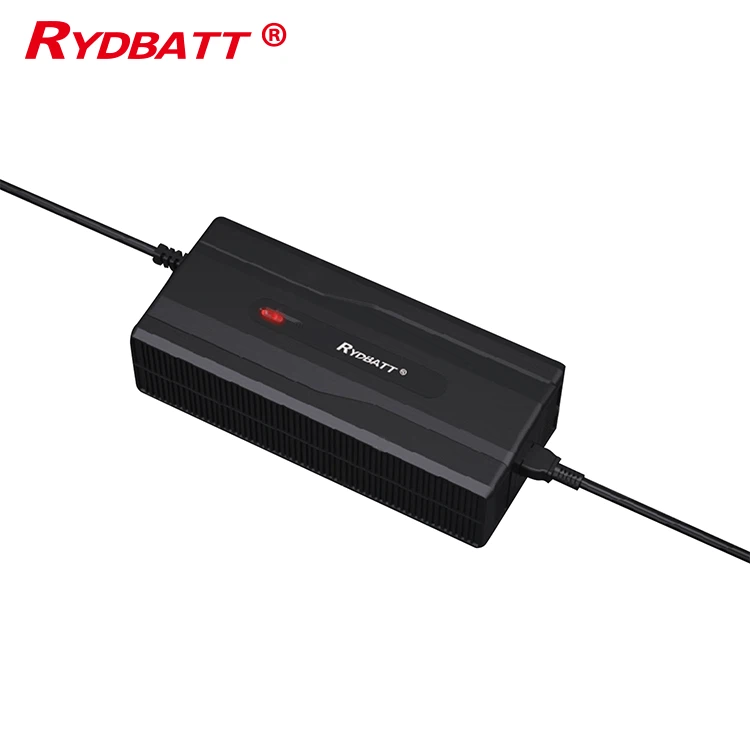
In conclusion, our E - Bike Charger 42V 3A is a reliable and high - quality product that is equipped with a temperature - compensation function. This function helps to protect the battery from the negative effects of temperature variations, ensuring a longer lifespan, enhanced safety, and consistent performance. Whether you're a casual e - bike rider or a professional cyclist, our charger is designed to meet your needs.
If you're interested in purchasing our E - Bike Charger 42V 3A or any other chargers in our product line, we invite you to contact us for a detailed discussion about your requirements. Our team of experts is ready to assist you in finding the right charger for your e - bike.
References
- Battery University: A comprehensive resource on battery technology and charging methods.
- IEEE Transactions on Power Electronics: Research papers on power electronics and battery charging systems.