
Can a 48V Lithium Battery Pack be Used in a Car?
As a reputable supplier of 48V lithium battery packs, I often get asked whether a 48V lithium battery pack can be used in a car. This is a valid question, considering the growing interest in alternative energy sources and the versatility of lithium battery technology. In this blog post, I'll delve into the technical aspects, advantages, limitations, and practical considerations of using a 48V lithium battery pack in a car.
Technical Feasibility
To understand if a 48V lithium battery pack can power a car, we first need to look at the electrical requirements of a typical vehicle. Most cars are equipped with a 12V electrical system, primarily used to start the engine, power the lights, and operate other accessories. However, modern vehicles, especially hybrid and electric cars, are increasingly adopting higher-voltage systems to meet the growing power demands of advanced features such as electric power steering, air conditioning, and infotainment systems.
A 48V electrical system offers several advantages over a traditional 12V system. It allows for more efficient power transmission, reducing energy losses and enabling the use of smaller and lighter wiring. Additionally, a 48V system can support higher-power loads, making it suitable for powering electric motors in mild hybrid vehicles.


In theory, a 48V lithium battery pack can be used in a car, especially in mild hybrid or electric vehicles designed to operate on a 48V electrical system. However, it's important to note that not all cars are compatible with a 48V battery pack. Most conventional cars are designed to work with a 12V battery, and retrofitting a 48V system would require significant modifications to the electrical architecture, including the installation of a DC-DC converter to step down the voltage for the 12V components.
Advantages of Using a 48V Lithium Battery Pack in a Car
- Improved Fuel Efficiency: In mild hybrid vehicles, a 48V lithium battery pack can be used to power the electric motor, which assists the internal combustion engine during acceleration and deceleration. This reduces the load on the engine, resulting in improved fuel efficiency and lower emissions.
- Regenerative Braking: A 48V battery pack can store the energy generated during regenerative braking, which is typically wasted in conventional vehicles. This energy can then be used to power the electric motor, further improving fuel efficiency.
- Enhanced Power and Performance: A 48V electrical system can support higher-power loads, allowing for the use of more powerful electric motors and advanced features such as electric power steering and air conditioning. This results in improved performance and a more comfortable driving experience.
- Longer Battery Life: Lithium batteries have a longer lifespan compared to traditional lead-acid batteries. They can withstand more charge and discharge cycles, making them a more reliable and cost-effective option in the long run.
Limitations and Challenges
- Compatibility Issues: As mentioned earlier, not all cars are compatible with a 48V battery pack. Retrofitting a 48V system into a conventional car can be complex and expensive, requiring significant modifications to the electrical architecture.
- Safety Concerns: Lithium batteries are more prone to thermal runaway and other safety issues compared to lead-acid batteries. Proper safety measures, such as a battery management system (BMS), need to be in place to ensure the safe operation of the battery pack.
- Cost: 48V lithium battery packs are generally more expensive than traditional 12V lead-acid batteries. The higher cost is due to the advanced technology and materials used in lithium batteries.
Practical Considerations
If you're considering using a 48V lithium battery pack in your car, here are some practical considerations to keep in mind:
- Vehicle Compatibility: Before purchasing a 48V battery pack, make sure your vehicle is compatible with a 48V electrical system. Consult your vehicle's manufacturer or a qualified mechanic for more information.
- Battery Capacity: The capacity of the battery pack determines how much energy it can store. Consider your driving habits and power requirements when choosing a battery pack with the appropriate capacity.
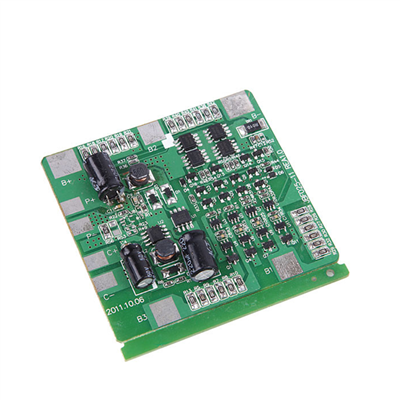
- Battery Management System (BMS): A BMS is essential for the safe and efficient operation of a lithium battery pack. It monitors the battery's voltage, temperature, and state of charge, and protects the battery from overcharging, over-discharging, and short circuits.
- Installation and Maintenance: Installing a 48V battery pack requires specialized knowledge and skills. It's recommended to have the battery pack installed by a qualified mechanic or electrician. Additionally, regular maintenance is required to ensure the optimal performance and longevity of the battery pack.
Our 48V Lithium Battery Pack Offerings
As a leading supplier of 48V lithium battery packs, we offer a wide range of high-quality battery packs designed for various applications, including electric bicycles and mild hybrid vehicles. Our battery packs are equipped with advanced BMS technology to ensure the safe and efficient operation of the battery.
- 48V 13Ah Ebike Battery: This high-capacity battery pack is perfect for electric bicycles, providing long-lasting power and reliable performance.
- Electric Bicycle Battery 46.8V: Our 46.8V electric bicycle battery offers a high level of energy density and a long cycle life, making it an ideal choice for electric bike enthusiasts.
- 48V 13Ah Smart BMS E-Bike Battery: This smart battery pack features an advanced BMS that provides real-time monitoring and protection, ensuring the safe and efficient operation of the battery.
Conclusion
In conclusion, a 48V lithium battery pack can be used in a car, especially in mild hybrid or electric vehicles designed to operate on a 48V electrical system. However, it's important to consider the compatibility, advantages, limitations, and practical considerations before making a decision. If you're interested in using a 48V lithium battery pack in your car or have any questions about our products, please don't hesitate to contact us for more information. We're here to help you find the right battery solution for your needs.
References
- "48V Electrical Systems: The Future of Automotive Power" - SAE International
- "Lithium-Ion Batteries for Electric Vehicles: State of the Art and Future Perspectives" - Journal of Power Sources
- "Hybrid Electric Vehicle Technology" - IEEE Transactions on Vehicular Technology