
Hey there! As a supplier of Li Ion Polymer Batteries, I often get asked about what type of charger is suitable for these batteries. So, I thought I'd share some insights on this topic.
First off, let's understand a bit about Li Ion Polymer Batteries. They're super popular these days because they're lightweight, have a high energy density, and can be made in various shapes and sizes. You can find them in all sorts of devices, from smartphones and tablets to Facial Cleansing Brush Battery 7.4V and other portable gadgets.
Now, when it comes to charging Li Ion Polymer Batteries, not just any charger will do. These batteries are a bit finicky and need a charger that's designed specifically for them. Using the wrong charger can not only damage the battery but also pose a safety risk.
Constant - Current and Constant - Voltage Charging
The most common charging method for Li Ion Polymer Batteries is the constant - current (CC) and constant - voltage (CV) approach. In the first stage, the charger supplies a constant current to the battery. This is when the battery is at a low state of charge, and it allows the battery to quickly absorb energy. As the battery voltage rises, the charger switches to the constant - voltage stage. During this phase, the charger maintains a steady voltage while the current gradually decreases until the battery is fully charged.
For example, a Reliable 3.7V Lithium Battery typically has a charging voltage of around 4.2V. A proper charger will first supply a constant current until the battery voltage reaches 4.2V, and then it will switch to the constant - voltage mode.
Charger Voltage and Current Ratings
The voltage rating of the charger is crucial. It should match the recommended charging voltage of the Li Ion Polymer Battery. Most single - cell Li Ion Polymer Batteries have a nominal voltage of 3.7V and a charging voltage of 4.2V. If you're charging a battery pack with multiple cells connected in series, the charging voltage will be the sum of the individual cell charging voltages. For instance, a two - cell battery pack will need a charger with a voltage of around 8.4V.
The current rating of the charger also matters. A higher current can charge the battery faster, but it can also generate more heat, which is not good for the battery's lifespan. You should always refer to the battery manufacturer's specifications to determine the optimal charging current.
Safety Features in Chargers
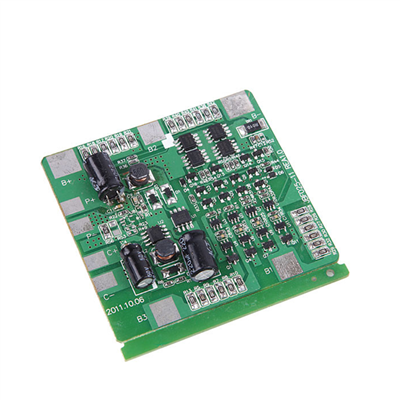
A good charger for Li Ion Polymer Batteries should have several safety features. Over - charge protection is a must. This feature prevents the battery from being charged beyond its safe voltage limit, which can cause swelling, leakage, or even a fire. Over - discharge protection is also important. It stops the battery from being drained too much, which can damage the battery's chemistry.
Short - circuit protection is another key safety feature. If there's a short - circuit in the charging circuit, the charger will automatically cut off the power to prevent any damage to the battery or the charger itself.
Types of Chargers
There are different types of chargers available for Li Ion Polymer Batteries.
Wall Chargers
Wall chargers are the most common type. You plug them into a wall outlet, and they convert the AC power to DC power suitable for charging the battery. They come in different power ratings, so you can choose one based on your battery's requirements.
USB Chargers
USB chargers are very convenient, especially for small devices. You can connect them to a computer, a power bank, or a USB wall adapter. However, the charging current from a USB port is usually limited, so it might take longer to charge the battery.
Smart Chargers
Smart chargers are the best option if you want to ensure the long - term health of your Li Ion Polymer Battery. These chargers can communicate with the battery and adjust the charging parameters based on the battery's state of charge, temperature, and other factors.
Compatibility with Your Battery
When choosing a charger, make sure it's compatible with your Li Ion Polymer Battery. Check the battery's specifications and compare them with the charger's ratings. If you're not sure, you can always contact the battery manufacturer for advice.
Temperature Considerations
Temperature also plays a role in the charging process. Li Ion Polymer Batteries should be charged at a moderate temperature. Charging the battery in extreme cold or hot conditions can affect the battery's performance and lifespan. A good charger might have a temperature sensor to monitor the battery's temperature during charging and adjust the charging process accordingly.
Conclusion
In conclusion, choosing the right charger for your Li Ion Polymer Battery is essential for both the battery's performance and safety. Make sure to consider factors like the charging method, voltage and current ratings, safety features, and compatibility. If you have any questions or need more information about our Li Ion Polymer Batteries or suitable chargers, feel free to reach out. We're here to help you make the best choice for your specific needs. Whether you're a manufacturer looking for a reliable battery supplier or an individual with a small project, we can offer you high - quality Li Ion Polymer Batteries and guidance on charging them properly. Let's start a conversation about your battery requirements and find the perfect solution together.


References
- Battery University: A comprehensive resource on battery technology and charging methods.
- Manufacturer's specifications of Li Ion Polymer Batteries.