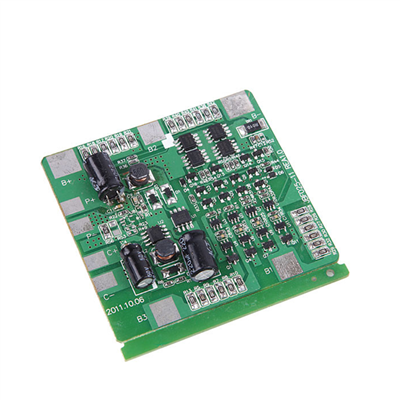

As a supplier of 48V lithium battery packs, I often receive inquiries about the suitability of our products in various applications, one of the most common being security systems. In this blog post, I'll delve into the technical aspects, benefits, and potential challenges of using a 48V lithium battery pack in a security system, and guide you on how to make an informed decision.
Technical Feasibility
To understand the technical feasibility of using a 48V lithium battery pack in a security system, it's crucial to first grasp the power requirements of such systems. Security systems, which typically consist of surveillance cameras, alarms, access control devices, and monitoring equipment, demand a stable and reliable power source. Most security systems operate on a standard voltage range, with many designed to work seamlessly with a 48V power supply.
Our 48V lithium battery packs are engineered to deliver a consistent and regulated voltage output, making them an ideal match for security systems. The lithium-ion chemistry used in our batteries offers several advantages over traditional lead-acid batteries, including higher energy density, longer lifespan, and faster charging capabilities. This means that a 48V lithium battery pack can store more energy in a smaller and lighter package, providing extended backup power for security systems.
Benefits of Using a 48V Lithium Battery Pack in a Security System
1. High Energy Density
The high energy density of lithium-ion batteries allows them to store more energy per unit volume and weight compared to other battery chemistries. This is particularly beneficial for security systems, as it enables the use of smaller and more compact battery packs without sacrificing power capacity. A smaller battery pack not only saves space in the security system installation but also makes it easier to transport and install.
2. Long Lifespan
Lithium-ion batteries have a significantly longer lifespan than lead-acid batteries, which typically need to be replaced every 3-5 years. Our 48V lithium battery packs are designed to last for up to 10 years or more, depending on usage and charging conditions. This extended lifespan reduces the total cost of ownership of the security system, as there is no need for frequent battery replacements.
3. Fast Charging
In the event of a power outage, a security system needs to be able to quickly recharge its backup battery to ensure continuous operation. Lithium-ion batteries have a much faster charging rate than lead-acid batteries, allowing them to recharge to full capacity in a shorter period. This means that a security system powered by a 48V lithium battery pack can resume normal operation more quickly after a power outage.
4. High Efficiency
Lithium-ion batteries are more efficient than lead-acid batteries, converting a higher percentage of the stored energy into usable power. This results in less energy loss during charging and discharging, which not only saves energy but also reduces the operating costs of the security system.
5. Maintenance-Free
Unlike lead-acid batteries, which require regular maintenance such as topping up with distilled water and checking the electrolyte levels, lithium-ion batteries are maintenance-free. This makes them a more convenient and hassle-free power source for security systems, as there is no need for ongoing maintenance or servicing.
Potential Challenges
While there are many benefits to using a 48V lithium battery pack in a security system, there are also some potential challenges that need to be considered.
1. Cost
Lithium-ion batteries are generally more expensive than lead-acid batteries, which can be a significant factor for some security system installations. However, when considering the long lifespan, high efficiency, and low maintenance requirements of lithium-ion batteries, the total cost of ownership over the life of the security system may be lower.
2. Safety
Lithium-ion batteries can be potentially dangerous if not handled properly. They are sensitive to overcharging, over-discharging, and overheating, which can lead to thermal runaway and even explosion. To ensure the safety of the security system and its users, it's essential to use a high-quality 48V lithium battery pack that is equipped with built-in safety features such as overcharge protection, over-discharge protection, and thermal protection.
3. Compatibility
Not all security systems are designed to work with a 48V power supply. Before installing a 48V lithium battery pack in a security system, it's important to check the specifications of the system to ensure compatibility. In some cases, it may be necessary to use a voltage converter or other electrical components to adapt the battery pack to the security system.

Our Product Recommendations
As a leading supplier of 48V lithium battery packs, we offer a range of products that are suitable for use in security systems. Here are some of our recommended products:
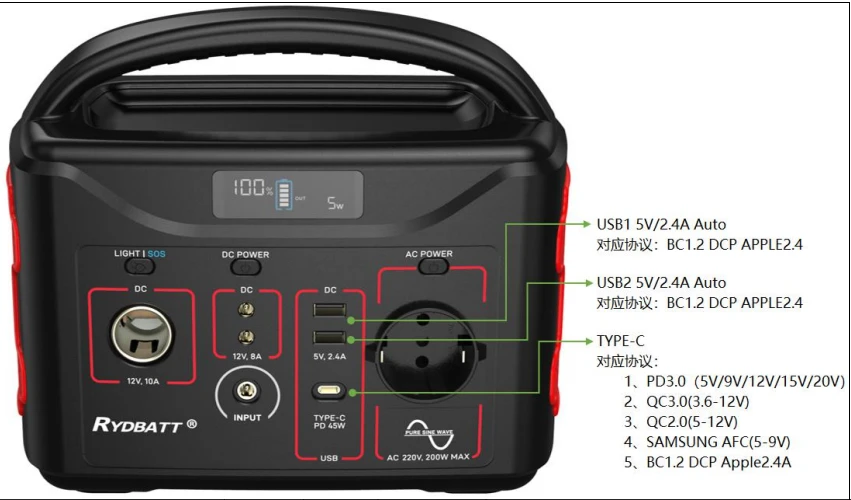
- Ryder T320-EU Portable Power Station 400W Max Output – All-in-One Outdoor Backup Power Station With Full Global Certifications: This portable power station features a 48V lithium battery pack and a maximum output of 400W, making it ideal for powering small to medium-sized security systems.
- Urban Commuter E-Bike Battery 46.8V 9.6Ah: Although designed for e-bikes, this battery pack can also be used as a backup power source for security systems. It has a voltage of 46.8V and a capacity of 9.6Ah, providing reliable backup power for several hours.
- Electric Bicycle External Battery Hailong Style 36V 10AH: While this battery pack has a voltage of 36V, it can be used in conjunction with a voltage converter to power a 48V security system. It has a capacity of 10AH, providing sufficient backup power for small security systems.
- 73V 20.8Ah Lithium-Ion Battery Pack: This high-capacity battery pack can be used to power large security systems or multiple security devices. It has a voltage of 73V and a capacity of 20.8Ah, providing long-lasting backup power.
- 48V13AH Lithium Ion Battery: This is our standard 48V lithium battery pack, with a capacity of 13AH. It is suitable for use in a wide range of security systems, providing reliable backup power and value for money.
Conclusion
In conclusion, a 48V lithium battery pack can be a viable and advantageous option for use in a security system. It offers high energy density, long lifespan, fast charging, high efficiency, and maintenance-free operation, making it a reliable and cost-effective power source. However, it's important to consider the potential challenges, such as cost, safety, and compatibility, before making a decision.
If you're interested in using a 48V lithium battery pack in your security system, please don't hesitate to contact us. Our team of experts can provide you with more information, product recommendations, and technical support to help you make the right choice for your specific needs.
References
- Battery University: Lithium-ion Basics. Available at: https://batteryuniversity.com/learn/article/li_ion_basics
- Security Systems News: Powering Your Security System. Available at: https://securitysystemsnews.com/powering-your-security-system/
- IEEE Transactions on Industrial Electronics: Lithium-Ion Battery Management Systems: A Review. Available at: https://ieeexplore.ieee.org/abstract/document/7934597