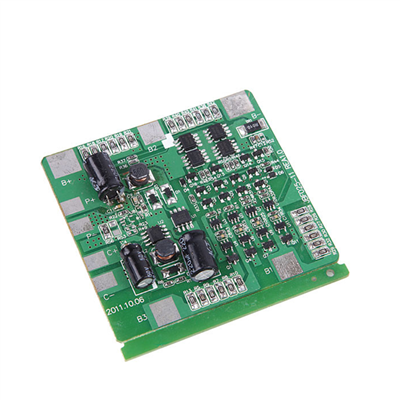

In the realm of energy storage solutions, 48V LiFePO4 battery packs have emerged as a popular choice for a wide range of applications, from renewable energy systems to electric vehicles. As a leading supplier of 48V LiFePO4 battery packs, I often receive inquiries about the self - discharge rate of these batteries. In this blog post, I will delve into the concept of self - discharge rate, its significance for 48V LiFePO4 battery packs, and how it impacts their performance and usability.
Understanding Self - Discharge Rate
Self - discharge is a natural phenomenon that occurs in all types of batteries. It refers to the gradual loss of charge that a battery experiences when it is not in use or under load. The self - discharge rate is typically expressed as a percentage of the battery's initial charge per unit of time, usually per month.
For example, if a battery has a self - discharge rate of 1% per month, and it starts with a 100% charge, after one month, it will have approximately 99% of its initial charge remaining. This loss of charge is due to internal chemical reactions within the battery that continue to occur even when the battery is not connected to a load.
Self - Discharge Rate of 48V LiFePO4 Battery Packs
LiFePO4 (Lithium Iron Phosphate) batteries are known for their relatively low self - discharge rates compared to other types of lithium - ion batteries and traditional lead - acid batteries. On average, a 48V LiFePO4 battery pack has a self - discharge rate of around 1 - 3% per month at room temperature (around 25°C or 77°F).
This low self - discharge rate is one of the key advantages of LiFePO4 batteries. It means that these battery packs can retain their charge for longer periods when not in use, which is particularly beneficial for applications where the battery may be stored for extended periods between uses. For instance, in a solar energy storage system, the battery may not be fully utilized during the winter months or on cloudy days. With a low self - discharge rate, the battery can hold its charge until it is needed again, reducing the need for frequent recharging.
Factors Affecting the Self - Discharge Rate
Several factors can influence the self - discharge rate of a 48V LiFePO4 battery pack:
Temperature
Temperature has a significant impact on the self - discharge rate of batteries. Generally, as the temperature increases, the self - discharge rate also increases. At higher temperatures, the chemical reactions within the battery speed up, leading to a faster loss of charge. Conversely, at lower temperatures, the self - discharge rate slows down. However, extremely low temperatures can also affect the battery's performance in other ways, such as reducing its capacity and increasing its internal resistance.
State of Charge (SOC)
The state of charge of the battery can also affect the self - discharge rate. Batteries tend to have a higher self - discharge rate when they are fully charged compared to when they are partially charged. This is because the chemical potential within the battery is higher at full charge, which drives the internal chemical reactions more vigorously.


Battery Age and Quality
As a battery ages, its self - discharge rate may increase. This is due to the degradation of the battery's internal components over time. Additionally, the quality of the battery manufacturing process can also play a role. High - quality 48V LiFePO4 battery packs, like the ones we supply, are manufactured using strict quality control measures to ensure a low and stable self - discharge rate throughout the battery's lifespan.
Implications of Self - Discharge Rate for Users
The self - discharge rate of a 48V LiFePO4 battery pack has several implications for users:
Storage
For users who need to store the battery pack for an extended period, a low self - discharge rate means less maintenance. They don't have to worry about the battery losing its charge quickly and can be confident that the battery will be ready for use when needed.
System Design
When designing an energy storage system, the self - discharge rate needs to be taken into account. For example, if the system is designed to provide power during a power outage, the designer needs to ensure that the battery can hold enough charge to meet the load requirements even after being stored for a certain period.
Comparison with Other Battery Types
Compared to lead - acid batteries, which typically have a self - discharge rate of 5 - 20% per month, 48V LiFePO4 battery packs offer a significant advantage in terms of charge retention. Lead - acid batteries require more frequent recharging during storage to maintain their charge, which can be inconvenient and costly in the long run.
In comparison to other lithium - ion battery chemistries, such as Lithium Cobalt Oxide (LiCoO2) batteries, LiFePO4 batteries also have a lower self - discharge rate. LiCoO2 batteries can have a self - discharge rate of around 3 - 5% per month, making LiFePO4 a more suitable choice for applications where long - term charge retention is crucial.
Our 48V LiFePO4 Battery Packs
As a supplier of 48V LiFePO4 battery packs, we are committed to providing high - quality products with a low and stable self - discharge rate. Our battery packs are designed and manufactured using the latest technology and strict quality control processes to ensure optimal performance and reliability.
In addition to our 48V battery packs, we also offer a range of other LiFePO4 battery products, such as the 24V 150Ah Battery, the 12.8V 300Ah Battery Pack, and the 12.8V Marine RV Power Battery. These products also benefit from the low self - discharge rate characteristic of LiFePO4 batteries, making them ideal for various applications.
Conclusion
The self - discharge rate is an important parameter to consider when choosing a 48V LiFePO4 battery pack. With a low self - discharge rate of around 1 - 3% per month, these battery packs offer excellent charge retention, which is beneficial for both short - term and long - term storage and use. Understanding the factors that affect the self - discharge rate can help users make informed decisions when it comes to battery selection, storage, and system design.
If you are interested in our 48V LiFePO4 battery packs or any of our other LiFePO4 battery products, we encourage you to contact us for more information and to discuss your specific requirements. Our team of experts is ready to assist you in finding the best energy storage solution for your needs.
References
- Linden, D., & Reddy, T. B. (2002). Handbook of Batteries. McGraw - Hill.
- Tarascon, J. M., & Armand, M. (2001). Issues and challenges facing rechargeable lithium batteries. Nature, 414(6861), 359 - 367.