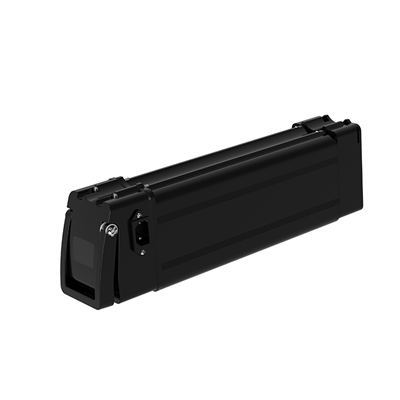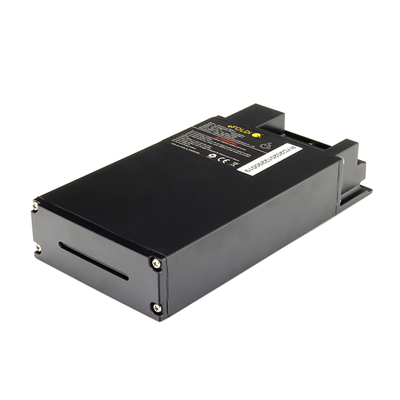
The core of the issue lies in the fact that the current mainstream lithium iron phosphate and lithium cobalt oxide batteries both have the characteristics of "weak memory effect and being sensitive to excessive charging and discharging", which are completely different from the past nickel-metal hydride batteries and lead-acid batteries. Trying to apply old experience blindly will only lead to counterproductive results.
Let's talk about the misconception of "the fuller the charge, the better". When the battery is fully charged to 100%, if it is continuously overcharged for a long time (such as being plugged in overnight), the internal components of the battery will continue to undergo secondary reactions, leading to the decomposition of the electrolyte and damage to the structure of the positive electrode materials. Test data shows that if a battery is fully charged to 100% and stored at full charge for a long time, its capacity will decline by 15% to 20% after one year; while if it is charged to 80% and then disconnected from the power source, the capacity decline is only 5% to 8% during the same period. For golf cart batteries that are used frequently, if they are fully charged for a long time, they may need to be replaced after 3 years, which is nearly half the lifespan compared to normal usage.
Let's look at the erroneous belief of "recharging after use for greater durability". When the battery's charge drops below 20% (especially below 10%), the cell voltage drops significantly, leading to "deep discharge". This causes irreversible lithium dendrite growth on the negative electrode material. These "small branches" can pierce the battery separator, not only causing the battery capacity to rapidly decrease, but in severe cases, also potentially triggering short circuits and bulging. For example, a golf cart used frequently at a golf course that was charged only when the battery level alarm sounded saw its battery range drop from 40 kilometers to 25 kilometers within less than 2 years, and it had to be replaced prematurely.
The correct charging method is actually quite simple. Just remember the principle of "light charging and light discharging, avoiding extremes". During daily charging, stop charging when the battery is at 80%-90% of its capacity. This not only doesn't affect the day's usage but also reduces the battery pressure. When the battery level drops below 20%, replenish the charge promptly. Don't wait until it's completely drained before charging. For devices like golf carts, charge to 80% after each day's use. This not only meets the operational needs for the next day but also enables the battery to cycle more than 4,000 times, using 3-5 years longer than with incorrect charging methods.