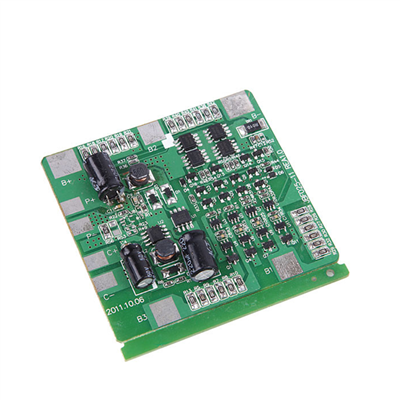

As a supplier of li ion 18650 battery packs, understanding the appropriate temperature range for these batteries is crucial. The 18650 battery, a cylindrical lithium-ion cell with a standard size of 18mm in diameter and 65mm in length, is widely used in various applications, from small consumer electronics to large-scale energy storage systems. In this blog, we will delve into the temperature range for a li ion 18650 battery pack, exploring its impact on performance, safety, and lifespan.
Optimal Temperature Range for Li Ion 18650 Battery Packs
The optimal temperature range for a li ion 18650 battery pack typically lies between 20°C and 40°C (68°F - 104°F). Within this range, the battery can operate at its best efficiency. At around 25°C (77°F), the chemical reactions inside the battery occur at an ideal rate, allowing for smooth charge and discharge processes. The internal resistance of the battery is relatively low, which means less energy is wasted as heat during operation. This results in higher energy output and better overall performance.


When the temperature is within the optimal range, the battery's capacity is also more stable. The charge-discharge cycles are more consistent, and the battery can maintain its rated capacity for a longer period. For example, in a laptop or a power tool that uses a li ion 18650 battery pack, users can expect reliable performance and longer runtimes when the battery operates at these temperatures.
Effects of High Temperatures
Exposing a li ion 18650 battery pack to high temperatures, above 40°C (104°F), can have several negative impacts. Firstly, high temperatures accelerate the chemical reactions inside the battery. While this might initially seem beneficial as it could potentially increase the battery's power output, it actually leads to faster degradation of the battery's components. The electrolyte, which is responsible for transporting ions between the electrodes, can break down more rapidly at high temperatures. This can cause the formation of a solid electrolyte interphase (SEI) layer on the electrodes, which thickens over time and increases the internal resistance of the battery.
As the internal resistance rises, more energy is converted into heat during charge and discharge cycles. This creates a vicious cycle where the increased heat further speeds up the degradation process. High temperatures can also cause the electrodes to expand and contract, which can lead to physical damage and a loss of capacity. In extreme cases, if the temperature rises too high, it can trigger a thermal runaway reaction. This is a self - sustaining process where the heat generated by the battery causes further chemical reactions that produce even more heat, potentially leading to a fire or explosion.
For instance, if a li ion 18650 battery pack is left in a hot car on a sunny day, the temperature inside the car can easily exceed 60°C (140°F). This kind of exposure can significantly reduce the battery's lifespan and pose a serious safety risk.
Effects of Low Temperatures
On the other hand, low temperatures, below 20°C (68°F), also affect the performance of li ion 18650 battery packs. At low temperatures, the chemical reactions inside the battery slow down. The movement of ions through the electrolyte becomes more difficult, which increases the internal resistance of the battery. As a result, the battery's ability to deliver power is reduced.
When charging a li ion 18650 battery pack at low temperatures, lithium plating can occur. This is a phenomenon where lithium ions are deposited on the surface of the anode instead of being intercalated into the anode material. Lithium plating can cause short - circuits within the battery and reduce its capacity over time. In addition, the battery's voltage can drop more rapidly during discharge at low temperatures, which means that devices powered by these batteries may shut down earlier than expected.
For example, in cold weather conditions, an electric vehicle using li ion 18650 battery packs may experience a significant reduction in range. The battery may not be able to provide enough power to drive the vehicle as far as it would in normal temperatures.
Temperature Management in Li Ion 18650 Battery Packs
To ensure the safe and efficient operation of li ion 18650 battery packs, proper temperature management is essential. Many modern battery packs are equipped with thermal management systems. These systems can include heat sinks, fans, or even liquid cooling systems to dissipate heat when the battery gets too hot. On the other hand, in cold environments, heaters can be used to warm up the battery to an appropriate operating temperature.
As a supplier, we understand the importance of temperature management. Our li ion 18650 battery packs are designed with built - in temperature sensors that can monitor the battery's temperature in real - time. If the temperature exceeds or falls below the safe range, the battery management system (BMS) can take appropriate actions, such as reducing the charge or discharge current, or even shutting down the battery to prevent damage.
Applications and Temperature Considerations
Different applications have different temperature requirements for li ion 18650 battery packs. For consumer electronics like smartphones and laptops, the battery usually operates in indoor environments where the temperature is relatively stable. However, in outdoor applications such as solar energy storage systems or electric vehicles, the battery may be exposed to a wide range of temperatures.
In solar energy storage systems, the battery pack needs to be able to withstand high temperatures during the day when the sun is shining and low temperatures at night. Our 8000mAh 18650 Battery is designed to handle these temperature variations. It has a robust thermal management system that ensures reliable performance in different weather conditions.
For electric vehicles, the battery pack is a critical component. The vehicle's performance and range are directly affected by the battery's temperature. Our Lithium Ion Battery 3.7 V 5200mah is engineered to provide consistent power output across a wide temperature range, helping to improve the overall efficiency and reliability of electric vehicles.
In lighting applications, especially for outdoor lighting, the battery needs to work in various temperature environments. Our Single External 18650 Lithium-ion Battery For Lighting Applications is optimized for these conditions, ensuring long - lasting and stable lighting performance.
Conclusion
In conclusion, the temperature range for a li ion 18650 battery pack plays a vital role in its performance, safety, and lifespan. The optimal temperature range is between 20°C and 40°C (68°F - 104°F), but in real - world applications, the battery may be exposed to temperatures outside this range. High temperatures can cause rapid degradation and safety risks, while low temperatures can reduce the battery's power output and capacity.
As a professional supplier of li ion 18650 battery packs, we are committed to providing high - quality products with advanced temperature management systems. Our battery packs are designed to meet the diverse needs of different applications and ensure reliable performance in various temperature conditions.
If you are interested in our li ion 18650 battery packs, whether for consumer electronics, energy storage, or other applications, we invite you to contact us for further discussion and procurement. We are ready to offer you the best solutions and support for your battery needs.
References
- "Lithium - Ion Batteries: Science and Technologies" by Yoshio Nishi, Akiya Kozawa, and Masaki Yoshio.
- "Handbook of Batteries" by David Linden and Thomas B. Reddy.