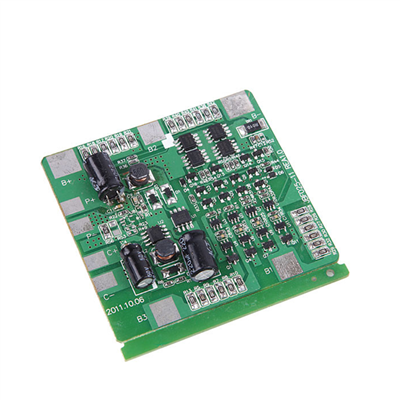

As a supplier of li ion 18650 battery packs, I often receive inquiries from customers regarding various aspects of our products. One question that has come up more frequently lately is about the maximum operating altitude for a li ion 18650 battery pack. In this blog post, I'll delve into this topic in detail, providing scientific insights and practical considerations.
Understanding the Basics of Li - Ion 18650 Battery Packs
Before discussing the maximum operating altitude, it's essential to understand what a li ion 18650 battery pack is. The 18650 refers to the battery's size: 18mm in diameter and 65mm in length. These cylindrical lithium - ion batteries are widely used due to their high energy density, long cycle life, and relatively low self - discharge rate. They are commonly found in laptops, power tools, electric vehicles, and many other applications.


Our company offers a range of li ion 18650 battery packs, such as the 10.95V Li - ion Power Battery, Lithium Ion Battery 3.7 V 5200mah, and Rechargeable Li Ion Battery 3.7 V 5200mah. Each of these products is designed to meet specific power requirements of different devices.
Factors Affecting the Maximum Operating Altitude
The maximum operating altitude of a li ion 18650 battery pack is influenced by several factors, including air pressure, temperature, and humidity.
Air Pressure
As altitude increases, air pressure decreases. Li ion batteries are sensitive to pressure changes because they are sealed units. Inside the battery, there are chemical reactions taking place, and the internal pressure needs to be balanced with the external pressure. At high altitudes, the lower external pressure can cause the battery's internal pressure to become relatively higher. This pressure differential can lead to issues such as swelling of the battery case, which may eventually damage the internal structure of the battery and affect its performance.
In general, most li ion 18650 battery packs are designed to operate within a certain pressure range. A significant drop in air pressure can also affect the electrolyte within the battery. The electrolyte is a crucial component that allows the flow of ions between the anode and the cathode. A change in pressure can alter the properties of the electrolyte, such as its viscosity and conductivity, which in turn can impact the battery's charge and discharge performance.
Temperature
Temperature is another critical factor. At high altitudes, the temperature typically decreases. Li ion batteries have an optimal operating temperature range, usually between 20°C - 40°C (68°F - 104°F). When the temperature drops below this range, the chemical reactions within the battery slow down. This results in a decrease in the battery's capacity and power output. For example, at very low temperatures, the lithium ions move more slowly between the anode and the cathode, reducing the battery's ability to deliver a high current.
On the other hand, the temperature of the battery can also increase due to internal resistance during charging and discharging. If the external temperature is too low, the heat generated inside the battery may not dissipate effectively, leading to overheating in some cases. Overheating can cause thermal runaway, a dangerous situation where the battery's temperature rises uncontrollably, potentially leading to fire or explosion.
Humidity
Although humidity is not as directly related to altitude as air pressure and temperature, it can still have an impact. At high altitudes, the air is often drier. However, sudden changes in altitude can cause condensation to form inside the battery if the battery is not properly sealed. Moisture can react with the battery's components, especially the electrolyte and the electrodes, leading to corrosion and degradation of the battery's performance.
Typical Maximum Operating Altitude for Li - Ion 18650 Battery Packs
Based on industry standards and our own testing, most li ion 18650 battery packs are rated to operate safely up to an altitude of around 3000 - 4000 meters (9843 - 13123 feet). This altitude range takes into account the normal variations in air pressure, temperature, and humidity that the battery is likely to encounter.
However, it's important to note that this is a general guideline. Some high - performance li ion 18650 battery packs that are specifically designed for extreme conditions, such as those used in aerospace or high - altitude scientific research, can operate at much higher altitudes. These specialized batteries are often equipped with advanced pressure - resistant designs and temperature management systems to ensure their performance and safety at extreme altitudes.
Testing and Quality Assurance
At our company, we conduct rigorous testing to determine the maximum operating altitude of our li ion 18650 battery packs. We use altitude chambers to simulate different altitude conditions, including changes in air pressure, temperature, and humidity. During these tests, we monitor the battery's performance, such as its capacity, voltage, and internal resistance.
We also perform long - term cycle tests at different altitudes to evaluate the battery's durability and reliability. This helps us ensure that our products can meet the requirements of our customers, whether they are using our batteries in low - altitude urban environments or high - altitude mountainous regions.
Considerations for Customers
If you are planning to use our li ion 18650 battery packs at high altitudes, there are a few things you should keep in mind.
First, make sure to check the product specifications carefully to confirm the maximum operating altitude. If you need to operate the battery at an altitude higher than the specified range, please contact us. We may be able to provide you with a customized solution or recommend a more suitable product.
Second, pay attention to the temperature management of the battery. If you are operating in a cold high - altitude environment, consider using insulation materials or a heating system to keep the battery within its optimal temperature range.
Finally, ensure that the battery is properly sealed to prevent moisture ingress. If the battery has been exposed to extreme altitude changes, inspect it for any signs of damage or swelling before use.
Conclusion
The maximum operating altitude of a li ion 18650 battery pack is a complex issue that is affected by multiple factors. While most standard battery packs can operate safely up to around 3000 - 4000 meters, specialized applications may require batteries with higher altitude capabilities.
As a leading supplier of li ion 18650 battery packs, we are committed to providing high - quality products that meet the diverse needs of our customers. Whether you need a battery for a low - altitude consumer device or a high - altitude industrial application, we have the expertise and products to support you.
If you are interested in our li ion 18650 battery packs or have any questions regarding their performance at high altitudes, please feel free to contact us for more information and to discuss your specific requirements. We look forward to working with you to find the best battery solution for your needs.
References
- Linden, D., & Reddy, T. B. (2002). Handbook of Batteries. McGraw - Hill.
- Tarascon, J. M., & Armand, M. (2001). Issues and challenges facing rechargeable lithium batteries. Nature, 414(6861), 359 - 367.