


Hey there! As a supplier of the 54.6V 2A Charger, I often get asked about the input voltage range of this charger. So, I thought I'd write this blog to clear up any confusion and give you all the deets.
Let's start with the basics. The 54.6V 2A charger is a pretty common type of charger, especially for things like e-bikes and some power tools that use lithium-ion batteries. It's designed to provide a stable output of 54.6 volts at a current of 2 amps to charge the battery safely and efficiently.
But what about the input voltage? Well, the input voltage range of a charger is super important because it determines where and how you can use the charger. You don't want to plug it into a power source that's outside its acceptable range, or you could damage the charger or the device you're trying to charge.
Most of the 54.6V 2A chargers I supply have an input voltage range of around 100V - 240V AC. This is a really wide range, and it's a great feature because it makes the charger compatible with power sources in different countries. You see, the standard voltage of the electrical grid varies from country to country. In the United States and some other countries, the standard household voltage is around 120V AC, while in many European and Asian countries, it's 230V AC. With an input voltage range of 100V - 240V AC, our 54.6V 2A Charger can be used pretty much anywhere in the world without the need for a voltage converter.
Why do we choose this input voltage range? Well, it's all about versatility and safety. By having a wide input voltage range, we can ensure that the charger can adapt to different power sources without overheating or malfunctioning. Inside the charger, there are components like transformers and rectifiers that can handle the voltage conversion. When the input voltage is on the lower end of the range, say 100V AC, these components work to step up the voltage to the level needed to charge the battery. On the other hand, when the input voltage is higher, like 240V AC, they step it down.

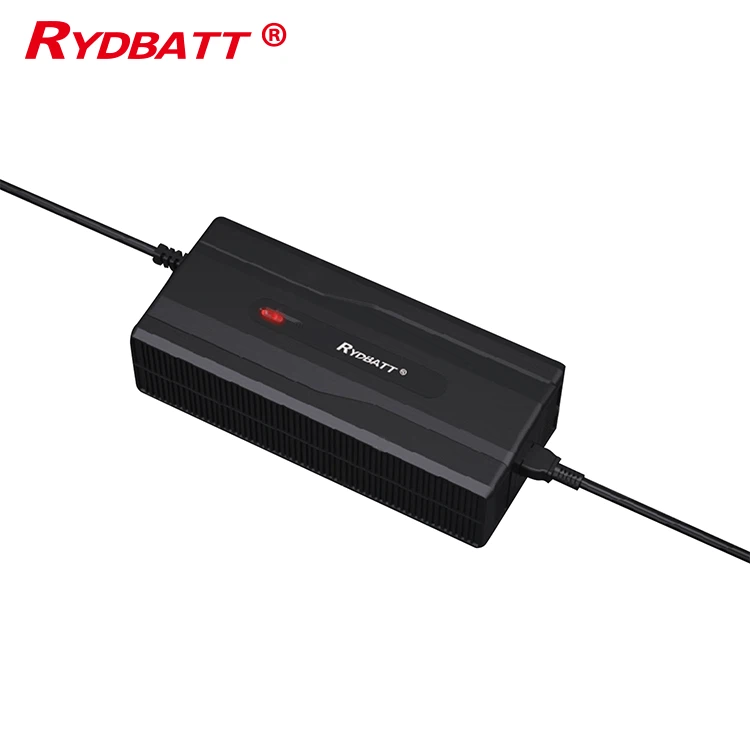
Let's talk a bit more about how the charger works within this input voltage range. When you plug the charger into a power source, the first thing that happens is the AC voltage from the wall outlet is fed into the charger's input stage. Here, the voltage is filtered to remove any noise or interference that might be present in the power line. Then, the transformer comes into play. It's like a magic box that changes the voltage according to the input and output requirements. The rectifier then converts the AC voltage into DC voltage, which is what the battery needs to be charged.
Now, you might be wondering what would happen if you accidentally plug the charger into a power source outside its input voltage range. If the input voltage is too low, the charger might not be able to provide enough power to charge the battery properly. The charging process could be slow, or it might not work at all. On the other hand, if the input voltage is too high, it can cause excessive heat to build up inside the charger. This can damage the internal components and even pose a fire hazard. So, it's really important to always check the input voltage range and make sure you're using the charger with a compatible power source.
Our Li Ion Battery Charger 54.6 V has been designed with multiple safety features to protect against overvoltage, undervoltage, overcurrent, and short circuits. These safety features kick in to shut down the charger or limit the current and voltage if something goes wrong. But still, it's best to avoid putting the charger in a situation where these safety features have to work.
In addition to the 54.6V 2A charger, we also offer other types of chargers, like the E-Bike Charger 42V 3A. Just like the 54.6V 2A charger, the 42V 3A charger also has a wide input voltage range of 100V - 240V AC. This makes it equally versatile and suitable for use around the world.
If you're in the market for a reliable charger, whether it's the 54.6V 2A charger or the 42V 3A charger, we've got you covered. Our chargers are made with high-quality materials and undergo strict quality control tests to ensure they meet the highest standards.
We understand that different customers have different needs, so we're always happy to work with you to find the best charging solution for your devices. Whether you're an e-bike manufacturer looking for a charger to include with your products or an individual who needs a charger for personal use, we can offer you the right charger at a competitive price.
If you're interested in our chargers, I encourage you to get in touch with us. We're open to discussing your requirements and can provide you with more detailed information about our products. You can reach out to us to start a conversation about your potential purchase. We're eager to collaborate with you and help you find the perfect charger for your needs.
References:
- General knowledge of battery charger technology and electrical engineering principles.


