



Hey there! As a supplier of electric bicycle batteries, I often get asked about the energy density of these power sources. So, let's dive right in and break it down.
First off, what exactly is energy density? In simple terms, it's the amount of energy stored in a given volume or mass of a battery. For electric bicycle batteries, we usually talk about energy density in terms of watt - hours per kilogram (Wh/kg) or watt - hours per liter (Wh/L). A higher energy density means that the battery can store more energy in a smaller and lighter package.
Now, why does energy density matter for electric bikes? Well, think about it. If you're riding an e - bike, you want it to be lightweight and have a decent range. A battery with high energy density allows the e - bike to carry more power without adding too much weight or taking up too much space. This translates to longer rides and a more comfortable cycling experience.
There are different types of batteries used in electric bicycles, and each has its own energy density characteristics. The most common ones are lead - acid batteries and lithium - ion batteries.
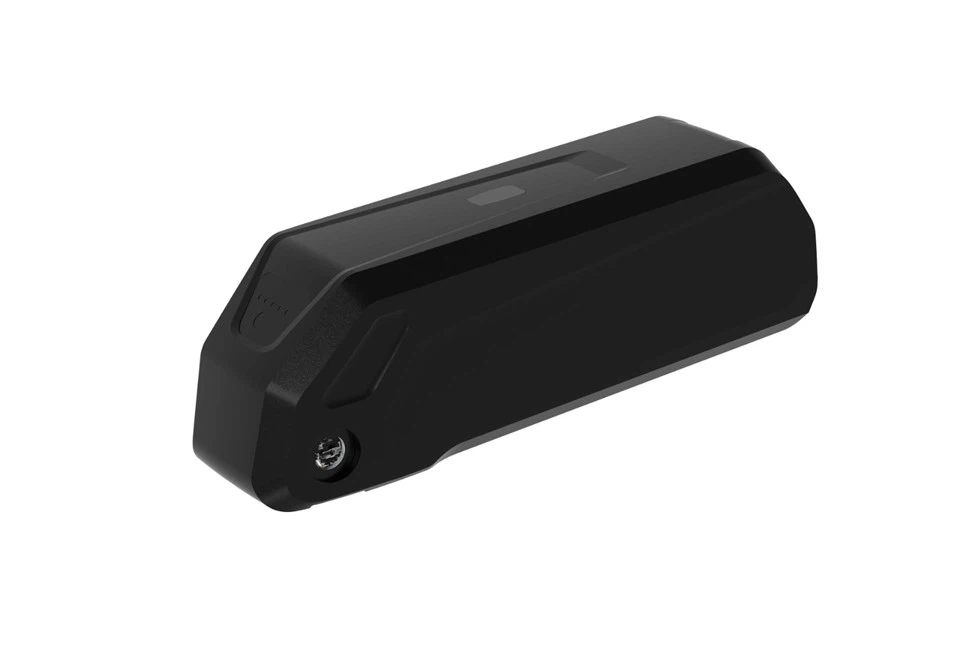

Lead - acid batteries have been around for a long time. They're relatively cheap, but they have a low energy density. Typically, lead - acid batteries used in e - bikes have an energy density of around 30 - 50 Wh/kg. This means they're quite heavy for the amount of energy they can store. For example, if you have a lead - acid battery with a capacity of 1000 watt - hours, it could weigh anywhere from 20 to 33 kilograms. That's a lot of extra weight to carry around on your bike!
On the other hand, lithium - ion batteries are the new kids on the block when it comes to e - bike power. They have a much higher energy density, usually ranging from 100 - 260 Wh/kg. This is a game - changer for electric bicycles. With a lithium - ion battery, you can get the same amount of energy as a lead - acid battery but with a fraction of the weight.
Let's take a look at some of the lithium - ion batteries we offer. We have the Power E-Bikes With 48V 14Ah Lithium Battery. This battery is a great option for those who want a reliable and high - performance power source for their e - bikes. The 48V voltage provides a good balance between power and efficiency, and the 14Ah capacity gives you a decent range.
Another popular choice is our 36V 10Ah Lithium Battery. This battery is a bit smaller and lighter, making it ideal for more compact e - bikes or for riders who don't need as much range. It still packs a punch, though, and can get you where you need to go.
And then there's our 48V Lithium Battery Pack. This battery pack is designed for those who demand the highest level of performance. It has a high energy density and can power your e - bike for long distances without any issues.
But energy density isn't the only thing to consider when choosing an electric bicycle battery. You also need to think about the battery's lifespan, charging time, and cost. Lithium - ion batteries generally have a longer lifespan than lead - acid batteries. They can handle more charge - discharge cycles, which means you won't have to replace them as often.
Charging time is another important factor. Lithium - ion batteries can be charged much faster than lead - acid batteries. You can typically charge a lithium - ion battery in a few hours, while a lead - acid battery might take 8 - 10 hours or more.
Cost is always a consideration, too. Lithium - ion batteries are more expensive than lead - acid batteries upfront, but when you factor in their longer lifespan and better performance, they can actually be a more cost - effective option in the long run.
So, how do you calculate the energy density of a battery? It's actually pretty simple. You just need to know the battery's capacity (in watt - hours) and its weight (in kilograms) or volume (in liters).
Let's say you have a battery with a capacity of 500 watt - hours and it weighs 5 kilograms. To calculate the energy density in Wh/kg, you divide the capacity by the weight: 500 Wh / 5 kg = 100 Wh/kg.
If you want to calculate the energy density in Wh/L, you need to know the volume of the battery. Let's say the battery has a volume of 2 liters. Then the energy density would be 500 Wh / 2 L = 250 Wh/L.
As a supplier, we understand that choosing the right battery for your electric bicycle can be a daunting task. That's why we're here to help. We have a team of experts who can answer all your questions and guide you through the selection process.
Whether you're a casual rider looking for a reliable battery for your daily commute or a serious cyclist who needs a high - performance power source for long - distance rides, we have the right battery for you.
If you're interested in learning more about our electric bicycle batteries or if you're ready to make a purchase, don't hesitate to get in touch. We're always happy to have a chat and discuss your specific needs.
In conclusion, energy density is a crucial factor when it comes to electric bicycle batteries. It determines how much power your battery can store, how light it is, and how far you can ride. By choosing a battery with a high energy density, like our lithium - ion batteries, you can enjoy a better cycling experience. So, take the time to consider your options and make an informed decision. I'm sure you'll find the perfect battery for your e - bike with us.
References:
- Battery University: A comprehensive resource for battery knowledge.
- Electric Bike Review: Provides in - depth reviews and information on electric bikes and their components.


