



When it comes to powering our numerous electronic devices, NiMH (Nickel-Metal Hydride) batteries have long been a popular choice due to their relatively high energy density, low self - discharge rate, and environmental friendliness compared to some other battery chemistries. As a supplier of NiMH battery chargers, understanding the charging efficiency of these chargers is crucial not only for us but also for our customers.
What is Charging Efficiency?
Charging efficiency is a measure of how effectively a charger can convert electrical energy from the power source into chemical energy stored in the battery. It is typically expressed as a percentage. For example, if a charger has an efficiency of 80%, it means that 80% of the electrical energy drawn from the power outlet is actually stored in the battery, while the remaining 20% is lost, usually in the form of heat.
The charging efficiency of a NiMH battery charger is influenced by several factors. One of the primary factors is the charging algorithm employed by the charger. Modern chargers often use sophisticated algorithms to optimize the charging process. These algorithms take into account the battery's state of charge, temperature, and other parameters to ensure that the battery is charged safely and efficiently.
Charging Stages and Efficiency
NiMH batteries typically go through several charging stages: pre - charge, fast charge, and trickle charge.
The pre - charge stage is used to bring a deeply discharged battery to a state where it can safely enter the fast - charge stage. During this stage, the charger supplies a low current to the battery. The efficiency in this stage is relatively low because the charger needs to be cautious about not over - stressing the battery. However, this stage is essential for the long - term health of the battery.
The fast - charge stage is where the majority of the charging occurs. Here, the charger supplies a higher current to the battery to quickly increase its state of charge. Chargers with well - designed fast - charge algorithms can achieve relatively high efficiencies. For example, some high - quality chargers can reach efficiencies of up to 90% during the fast - charge stage. This is because they are able to precisely control the charging current and voltage to match the battery's requirements.
Once the battery reaches a certain state of charge, the charger switches to the trickle - charge stage. This stage supplies a very low current to the battery to maintain its full charge. The efficiency in the trickle - charge stage is also relatively low because the amount of energy being transferred is small, and there are still some losses in the charger's circuitry.
Impact of Charger Design on Efficiency
The design of the charger itself also plays a significant role in determining its charging efficiency. High - quality chargers use better components, such as low - resistance wiring and efficient transformers. These components reduce the amount of energy lost as heat during the charging process.
For instance, chargers with a good thermal management system can dissipate heat more effectively. Overheating can not only reduce the charging efficiency but also damage the battery and the charger itself. Chargers with built - in temperature sensors can adjust the charging current based on the battery's temperature, ensuring safe and efficient charging.
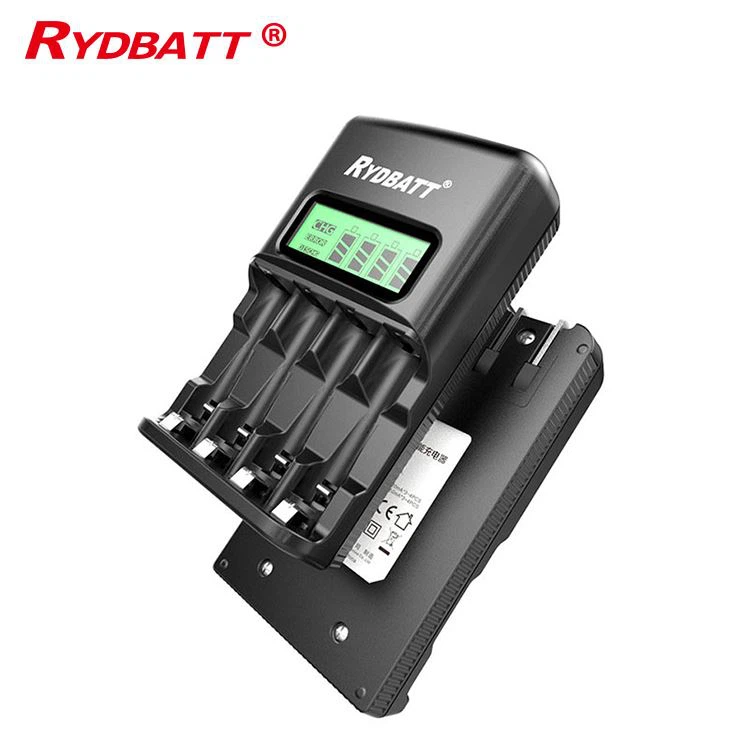
Another aspect of charger design is the number of charging slots. We offer a variety of chargers, including the 4 Slot NiMH Charger with LCD Display, the 8 Slot NiMH Charger with LCD Display, and the 16 Slot NiMH Charger with LCD Display. Chargers with multiple slots need to distribute the power among the batteries evenly. Chargers with advanced power - sharing algorithms can ensure that each battery is charged efficiently, regardless of the number of batteries being charged simultaneously.
Measuring Charging Efficiency
Measuring the charging efficiency of a NiMH battery charger can be a complex process. One common method is to measure the electrical energy input to the charger from the power source and the electrical energy stored in the battery. This can be done using power meters and battery testers.

However, it's important to note that the measured efficiency can vary depending on the battery's initial state of charge, temperature, and other factors. For a more accurate assessment, multiple measurements should be taken under different conditions.
Why Charging Efficiency Matters
For consumers, a charger with high charging efficiency means less wasted energy and lower electricity bills. It also means that the battery can be charged more quickly, which is especially important for those who rely on their electronic devices frequently.
For us as a supplier, high - efficiency chargers are a selling point. Customers are increasingly aware of the importance of energy efficiency, and they are more likely to choose a charger that can charge their batteries quickly and efficiently. Moreover, efficient chargers are generally more reliable and have a longer lifespan, which leads to higher customer satisfaction.
Conclusion and Call to Action
In conclusion, the charging efficiency of a NiMH battery charger is a complex but important concept. It is influenced by factors such as the charging algorithm, charger design, and the charging stages. As a supplier, we are committed to providing high - quality chargers with excellent charging efficiency. Our 4 Slot NiMH Charger with LCD Display, 8 Slot NiMH Charger with LCD Display, and 16 Slot NiMH Charger with LCD Display are all designed with the latest technology to ensure safe and efficient charging.
If you are interested in purchasing our NiMH battery chargers or have any questions about charging efficiency, we encourage you to contact us for a detailed discussion. We are ready to assist you in finding the best charger solution for your needs.
References
- Linden, D., & Reddy, T. B. (2002). Handbook of Batteries. McGraw - Hill.
- Berndt, D. (2006). Nickel - Metal Hydride Batteries. John Wiley & Sons.


