
As a supplier of electric bicycle batteries, I understand the importance of maintaining the health of these crucial components. A well - maintained battery not only ensures the optimal performance of an electric bicycle but also extends its lifespan, providing users with a reliable and cost - effective riding experience. In this blog, I'll share some practical tips on how to check the health of an electric bicycle battery.
1. Visual Inspection
The first step in assessing the health of an electric bicycle battery is a simple visual inspection. Start by examining the battery case for any signs of physical damage, such as cracks, dents, or swelling. A cracked or dented case can expose the internal components to moisture and air, which may lead to corrosion and short - circuits. Swelling is often an indication of overheating or overcharging, both of which can significantly damage the battery cells.
If you notice any of these issues, it's crucial to handle the battery with extreme caution. Damaged batteries can be hazardous, and in some cases, may even pose a fire risk. It's advisable to contact a professional or the battery manufacturer for guidance on proper disposal or repair.
2. Check the Battery Voltage
Voltage is a key indicator of a battery's state of charge and overall health. You can use a multimeter to measure the battery voltage. Before taking a measurement, make sure the battery is fully charged. For most electric bicycle batteries, a fully charged voltage reading can give you a good idea of its condition.
For example, a 48V 20AH Electric Bike Battery should read close to its rated voltage when fully charged. A significant deviation from the rated voltage may suggest that the battery is either under - performing or has some internal issues. If the voltage is consistently lower than expected, it could mean that the battery cells are deteriorating or that there is a problem with the charging system.
It's important to note that different battery chemistries have different voltage characteristics. Lithium - ion batteries, which are commonly used in electric bicycles, have a specific voltage range during charging and discharging. Make sure you are familiar with the voltage specifications of your particular battery type.
3. Measure the Battery Capacity
Battery capacity refers to the amount of electrical energy a battery can store, usually measured in ampere - hours (Ah). To measure the capacity of an electric bicycle battery, you can use a battery capacity tester. This device discharges the battery at a constant current until it reaches a predefined cut - off voltage, and then calculates the total amount of charge that was drawn from the battery.
A new battery should have a capacity close to its rated value. Over time, as the battery ages, its capacity will gradually decrease. If the measured capacity is significantly lower than the rated capacity, it indicates that the battery is losing its ability to store energy and may need to be replaced.
For instance, if you have a 48V 13Ah Smart BMS E - Bike Battery and the measured capacity drops to 80% or less of its rated 13Ah, it's a sign that the battery's health is deteriorating.
4. Assess the Charging and Discharging Patterns
Pay attention to how the battery behaves during charging and discharging. A healthy battery should charge steadily and reach a full charge within a reasonable amount of time. If the battery takes an unusually long time to charge or fails to reach a full charge, it could be a sign of a problem.


Similarly, during discharging, observe how the battery powers the electric bicycle. A healthy battery should provide consistent power throughout the ride. If you notice a sudden drop in power or a significant decrease in the bike's range, it may indicate that the battery is not performing as it should.
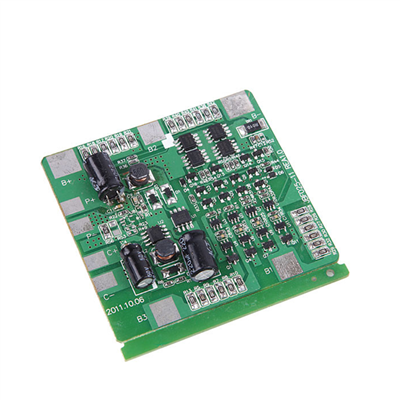
Some modern electric bicycle batteries are equipped with a Battery Management System (BMS). The BMS helps to regulate the charging and discharging process, protecting the battery from over - charging, over - discharging, and short - circuits. If your battery has a BMS, check if it is functioning properly. Error messages or abnormal behavior from the BMS can also be an indication of battery health issues.
5. Evaluate the Battery Temperature
Temperature plays a crucial role in the performance and lifespan of an electric bicycle battery. Excessive heat can accelerate the degradation of battery cells, while extremely cold temperatures can reduce the battery's capacity and performance.
During charging and discharging, monitor the battery temperature. A slight increase in temperature is normal, but if the battery becomes too hot to touch, it's a cause for concern. Overheating can be caused by a variety of factors, such as a faulty charger, high - current charging, or internal short - circuits.
On the other hand, in cold weather, the battery may not perform as well. If you live in an area with cold climates, consider using battery insulation or a battery heater to maintain the optimal operating temperature.
6. Check the Battery Connectors
The battery connectors are the interface between the battery and the electric bicycle's electrical system. Over time, these connectors can become loose, corroded, or dirty, which can affect the battery's performance.
Inspect the connectors for any signs of corrosion or damage. If you notice corrosion, you can clean the connectors using a soft brush and a mild cleaning solution. Make sure the connectors are tightly connected to prevent any power loss or intermittent connections.
7. Compare with Similar Batteries
If you have access to other electric bicycle batteries of the same type and age, you can compare their performance. This can give you a better idea of whether your battery is performing within the normal range.
For example, if you have multiple Electric Bicycle Battery 46.8V units, compare their charging times, voltage readings, and range. If one battery stands out as having significantly different performance, it may need further investigation.
Conclusion
Regularly checking the health of an electric bicycle battery is essential for ensuring its optimal performance and longevity. By following the steps outlined above, you can identify potential issues early and take appropriate measures to address them.
As a professional electric bicycle battery supplier, we are committed to providing high - quality batteries and reliable technical support. If you have any questions about battery health, maintenance, or are interested in purchasing our products, please feel free to contact us for further discussions and procurement negotiations.
References
- Battery University: A comprehensive resource for battery knowledge, including information on battery chemistry, charging, and maintenance.
- Manufacturer's documentation: The user manuals and technical specifications provided by the battery manufacturer are valuable sources of information about the specific battery model.