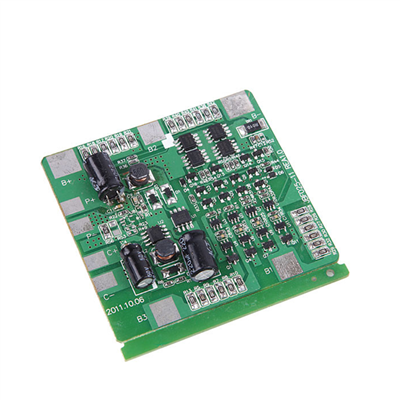

As a supplier of electric motorcycle batteries, I've witnessed firsthand the pivotal role that battery voltage plays in the performance of electric motorcycles. In this blog, I'll delve into how the voltage of an electric motorcycle battery affects its performance, exploring various aspects such as speed, range, power, and more.
Voltage Basics
Before we discuss how voltage impacts performance, let's briefly cover what voltage is. Voltage, measured in volts (V), is the electrical potential difference between two points in a circuit. In the context of an electric motorcycle battery, voltage represents the force that pushes electric current through the motor, enabling the motorcycle to move.
Speed
One of the most noticeable effects of battery voltage on an electric motorcycle's performance is its impact on speed. Generally speaking, a higher - voltage battery can provide more power to the motor, allowing the motorcycle to reach higher speeds.
When an electric motorcycle's battery has a higher voltage, the electric current flowing through the motor is stronger. This increased current generates more torque, which is the rotational force that turns the wheels. With greater torque, the motorcycle can accelerate more quickly and maintain higher speeds. For example, a motorcycle equipped with a 72V 27.5Ah Lithium Ion Battery will typically be faster than one with a lower - voltage battery. The 72 - volt battery provides a greater electrical potential, enabling the motor to operate at a higher power level and thus achieve a higher top speed.
Range
Battery voltage also has a significant influence on the range of an electric motorcycle. While it might seem counterintuitive, a higher - voltage battery can sometimes lead to a longer range.
Higher - voltage batteries can deliver power more efficiently to the motor. When the battery can supply power at a higher voltage, the motor doesn't have to draw as much current to achieve the same level of performance. Since the amount of energy stored in a battery is related to its capacity (measured in amp - hours, Ah), less current draw means that the battery can last longer. For instance, a 61V 40Ah Wide Temp Battery can offer a decent range. The relatively high voltage allows the motor to function efficiently, and the 40Ah capacity stores enough energy to keep the motorcycle running for a considerable distance.
However, it's important to note that other factors, such as the motorcycle's weight, riding style, and terrain, also affect the range. Aggressive riding with frequent acceleration and braking will consume more energy, regardless of the battery voltage.
Power and Performance
The power output of an electric motorcycle is directly related to the battery voltage. Power (P) is calculated as the product of voltage (V) and current (I), according to the formula P = V × I. So, if the voltage increases while the current remains relatively stable, the power output of the motor will increase.
A higher - power motor can handle more demanding tasks, such as climbing steep hills or carrying heavy loads. For example, if you're using your electric motorcycle to transport goods or if you often ride in hilly areas, a 60 Volt Lithium Ion Battery for Motorcycle can provide the necessary power. The 60 - volt battery supplies a sufficient amount of electrical energy to the motor, allowing it to generate enough torque to overcome the resistance of inclines.
Battery Life and Longevity
The voltage of the battery can also affect its lifespan. Batteries are designed to operate within a specific voltage range. If a battery is consistently over - or under - charged, it can lead to premature degradation.
Higher - voltage batteries may require more sophisticated charging systems to ensure that they are charged correctly. When using a high - voltage battery, it's crucial to use a charger that is specifically designed for that voltage. Incorrect charging can cause the battery to overheat, which can damage the internal components and reduce its overall lifespan. On the other hand, a well - managed high - voltage battery can offer a long service life, providing reliable performance for years.
Compatibility
Another aspect to consider is the compatibility between the battery voltage and the motorcycle's electrical system. Electric motorcycles are designed to work with a specific voltage range. Using a battery with a voltage that is too high or too low can cause problems.
If the battery voltage is too high, it can damage the motor, controller, and other electrical components. Conversely, if the voltage is too low, the motorcycle may not function properly, or it may not have enough power to operate at its optimal level. As a battery supplier, we always recommend checking the manufacturer's specifications for your electric motorcycle to ensure that you choose a battery with the correct voltage.
Cost
Generally, higher - voltage batteries tend to be more expensive than lower - voltage ones. This is because they often require more advanced technology and materials to handle the higher electrical potential. Additionally, the charging systems for high - voltage batteries are usually more complex, which also adds to the cost.
However, when considering the overall cost, it's important to take into account the performance benefits. A higher - voltage battery may provide better speed, range, and power, which can enhance the overall riding experience. In the long run, the investment in a high - quality, high - voltage battery may be worth it, especially if you use your electric motorcycle frequently.


Conclusion
In conclusion, the voltage of an electric motorcycle battery has a profound impact on its performance. Higher - voltage batteries can offer greater speed, potentially longer range, and more power, but they also come with considerations such as cost, battery life, and compatibility.
As an electric motorcycle battery supplier, we understand the importance of choosing the right battery for your needs. Whether you're looking for a high - speed ride, long - distance travel, or reliable power for daily commuting, we can help you select the appropriate battery. If you're interested in learning more about our products or discussing your specific requirements, please feel free to contact us for a procurement discussion. We're committed to providing you with the best battery solutions for your electric motorcycle.
References
- Battery University. (n.d.). Understanding Battery Voltage.
- Electric Vehicle Technology: Principles, Modeling, and Control. (2020). CRC Press.
- IEEE Transactions on Vehicular Technology. Various issues related to electric vehicle battery performance.