



Can I use a Li-ion battery charger for my camera?
As a supplier of Li-ion battery chargers, I often get asked whether it's possible to use a Li-ion battery charger for a camera. This is a valid question, especially considering the wide variety of Li-ion chargers available in the market and the specific power requirements of cameras. In this blog post, I'll delve into the technical aspects of Li-ion batteries and chargers, and provide insights on whether you can safely use a Li-ion battery charger for your camera.
Understanding Li-ion Batteries and Chargers
Li-ion batteries are a popular choice for many electronic devices, including cameras, due to their high energy density, long lifespan, and low self-discharge rate. These batteries rely on lithium ions moving between the anode and cathode during charging and discharging cycles. To charge a Li-ion battery safely and efficiently, a charger with the appropriate voltage, current, and charging algorithm is required.
Li-ion chargers typically have a constant current (CC) and constant voltage (CV) charging profile. During the initial stage of charging, the charger supplies a constant current to the battery until it reaches a certain voltage level. Once the battery voltage reaches this level, the charger switches to a constant voltage mode, gradually reducing the charging current as the battery approaches full charge. This two-stage charging process helps prevent overcharging, which can damage the battery and pose a safety risk.
Camera Battery Requirements
Cameras come in various shapes and sizes, each with its own specific battery requirements. Most digital cameras use rechargeable Li-ion batteries, which are designed to provide a stable power supply for the camera's electronic components, including the image sensor, processor, and LCD screen. The voltage and capacity of camera batteries can vary depending on the camera model and manufacturer.
For example, some compact cameras may use a single Li-ion cell with a nominal voltage of 3.7V, while larger DSLR cameras may use a battery pack consisting of multiple Li-ion cells connected in series to provide a higher voltage, such as 7.4V or 11.1V. In addition to voltage, the capacity of the battery, measured in milliampere-hours (mAh), also plays a crucial role in determining the camera's battery life.
Compatibility Considerations
When considering using a Li-ion battery charger for your camera, several factors need to be taken into account to ensure compatibility and safety.
Voltage Compatibility
The most important factor to consider is the voltage of the charger and the camera battery. The charger's output voltage must match the battery's nominal voltage to prevent overcharging or undercharging. Using a charger with a higher voltage than the battery's rated voltage can cause the battery to overheat, swell, or even explode, while using a charger with a lower voltage may result in incomplete charging and reduced battery performance.
For example, if your camera uses a 3.7V Li-ion battery, you should use a charger with an output voltage of 3.7V or slightly higher (e.g., 4.2V, which is the typical charging voltage for a single Li-ion cell). Using a charger with a higher voltage, such as a 54.6V 2A Charger, would be extremely dangerous and could damage your camera battery.
Current Compatibility
In addition to voltage, the charging current of the charger also needs to be compatible with the camera battery. The charging current should be within the battery's recommended charging rate to ensure safe and efficient charging. Using a charger with a higher charging current than the battery can handle may cause the battery to overheat and reduce its lifespan, while using a charger with a lower charging current may result in longer charging times.
Most camera manufacturers specify the recommended charging current for their batteries in the user manual. It's important to follow these guidelines to avoid any potential issues.
Charging Algorithm
Another important consideration is the charging algorithm of the charger. As mentioned earlier, Li-ion batteries require a specific charging profile to ensure safe and efficient charging. A charger with a proper CC-CV charging algorithm is essential to prevent overcharging and extend the battery's lifespan.
Some chargers may also have additional safety features, such as overcharge protection, overcurrent protection, and short-circuit protection, which can further enhance the safety of the charging process.
Using a Generic Li-ion Battery Charger for Your Camera
In some cases, it may be possible to use a generic Li-ion battery charger for your camera, provided that the charger meets the compatibility requirements mentioned above. However, there are several risks associated with using a generic charger, especially if it's not designed specifically for your camera model.

Quality and Safety
Generic chargers may not have the same level of quality and safety features as the chargers provided by the camera manufacturer. They may not have proper overcharge protection or may use a substandard charging algorithm, which can increase the risk of battery damage and safety hazards.
Compatibility Issues
Even if a generic charger has the correct voltage and current output, it may not be fully compatible with your camera battery due to differences in the battery's chemistry, internal resistance, or charging requirements. This can result in incomplete charging, reduced battery performance, or even damage to the battery.
Warranty Voidance
Using a non-approved charger for your camera may void the manufacturer's warranty. If something goes wrong with your camera or battery while using a generic charger, the manufacturer may not be responsible for any repairs or replacements.
Our Li-ion Battery Chargers
At our company, we offer a wide range of high-quality Li-ion battery chargers that are designed to meet the specific needs of different electronic devices, including cameras. Our chargers are equipped with advanced safety features and a precise charging algorithm to ensure safe and efficient charging.
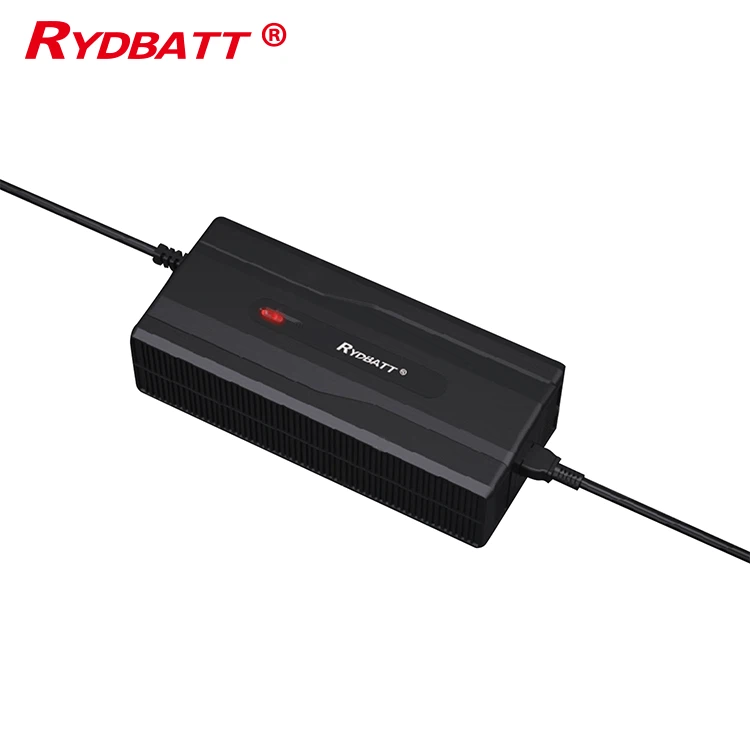
For example, our Li Ion Battery Charger 54.6 V is a reliable charger for high-voltage Li-ion batteries, while our E-Bike Charger 42V 3A is specifically designed for e-bike batteries. We also have chargers available for various other applications, including cameras.
Our chargers are tested and certified to meet international safety standards, giving you peace of mind knowing that you're using a safe and reliable product.
Conclusion
In conclusion, while it may be possible to use a Li-ion battery charger for your camera, it's important to ensure that the charger is compatible with the camera battery in terms of voltage, current, and charging algorithm. Using a charger that doesn't meet these requirements can pose a safety risk and damage your camera battery.
If you're unsure whether a particular charger is suitable for your camera, it's always best to consult the camera manufacturer or a professional. At our company, we're committed to providing high-quality Li-ion battery chargers that meet the specific needs of our customers. If you have any questions or need assistance in choosing the right charger for your camera, please don't hesitate to contact us. We'd be happy to help you find the perfect solution for your charging needs.
References
- "Lithium-ion Battery Charging Basics." Battery University.
- Camera user manuals from various manufacturers.


