
As a supplier of Li-ion battery chargers, I often encounter customers asking whether a Li-ion battery charger can be repaired when it stops working. This is a question that many users are concerned about, and today, I'd like to delve into this topic in detail.
Understanding the Basics of Li-ion Battery Chargers
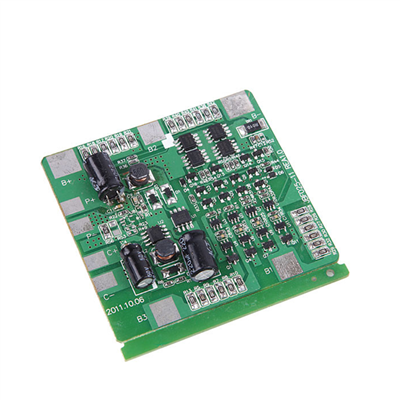
Before we discuss the repair possibility, it's essential to understand how Li-ion battery chargers work. Li-ion battery chargers are designed to provide a specific voltage and current to charge Li-ion batteries safely and efficiently. They typically consist of several key components, including a power supply circuit, a charging control circuit, and a protection circuit.
The power supply circuit is responsible for converting the input AC power into the appropriate DC voltage and current required for charging. The charging control circuit monitors the battery's state of charge and adjusts the charging current and voltage accordingly to prevent overcharging and over-discharging. The protection circuit safeguards the battery and the charger from short circuits, overheating, and other potential hazards.
Common Reasons for Li-ion Battery Charger Failure
There are several common reasons why a Li-ion battery charger may stop working. Here are some of the most frequent causes:
1. Power Supply Issues
- Faulty Power Cord: A damaged or frayed power cord can disrupt the flow of electricity, preventing the charger from receiving power.
- Power Outlet Problems: Issues with the power outlet, such as a blown fuse or a loose connection, can also cause the charger to malfunction.
- Internal Power Supply Failure: Problems within the charger's power supply circuit, such as a failed transformer or a damaged capacitor, can lead to a loss of power.
2. Charging Control Circuit Malfunctions
- Sensor Failure: The charging control circuit relies on sensors to monitor the battery's state of charge. If these sensors fail, the charger may not be able to adjust the charging current and voltage correctly, resulting in overcharging or undercharging.
- Microcontroller Issues: The microcontroller in the charger is responsible for controlling the charging process. A malfunctioning microcontroller can cause the charger to stop working or behave erratically.
3. Protection Circuit Activation
- Overheating: If the charger overheats due to a blocked ventilation or a component failure, the protection circuit may activate to shut down the charger to prevent damage.
- Short Circuit: A short circuit in the charger or the battery can trigger the protection circuit, causing the charger to stop working.
4. Physical Damage
- Dropping or Impact: Dropping the charger or subjecting it to a significant impact can damage internal components, leading to failure.
- Moisture or Water Damage: Exposure to moisture or water can corrode the charger's components and cause electrical shorts.
Can a Li-ion Battery Charger Be Repaired?
The answer to whether a Li-ion battery charger can be repaired depends on several factors, including the nature and extent of the damage, the availability of replacement parts, and the technical expertise required for the repair.
1. Minor Issues
- Power Cord Replacement: If the problem is a faulty power cord, it can usually be replaced easily. Most hardware stores carry power cords that are compatible with Li-ion battery chargers.
- Power Outlet Check: Checking the power outlet and ensuring it is functioning properly is a simple fix that can resolve many charger issues.
2. Intermediate Repairs
- Component Replacement: For issues such as a failed capacitor or a damaged sensor, replacement parts can often be sourced and installed by a skilled technician. However, identifying the faulty component requires technical knowledge and diagnostic tools.
- Firmware Update: In some cases, a charger may stop working due to a software glitch. A firmware update can sometimes resolve these issues, but it requires access to the manufacturer's update tools and instructions.
3. Major Repairs
- Internal Circuit Board Damage: If the charger's circuit board is severely damaged, it may be difficult or impossible to repair. In such cases, it may be more cost-effective to replace the charger with a new one.
When to Repair and When to Replace
Deciding whether to repair or replace a Li-ion battery charger depends on several factors, including the cost of the repair, the age and condition of the charger, and the availability of replacement chargers.

- Cost of Repair: If the cost of the repair is close to or exceeds the cost of a new charger, it may be more economical to replace the charger.
- Age and Condition of the Charger: If the charger is old and has been used extensively, it may be more prone to future failures. In such cases, replacing the charger with a new one may be a better long-term solution.
- Availability of Replacement Chargers: If replacement chargers are readily available and affordable, it may be more convenient to replace the charger rather than attempting to repair it.
Our Products and Support
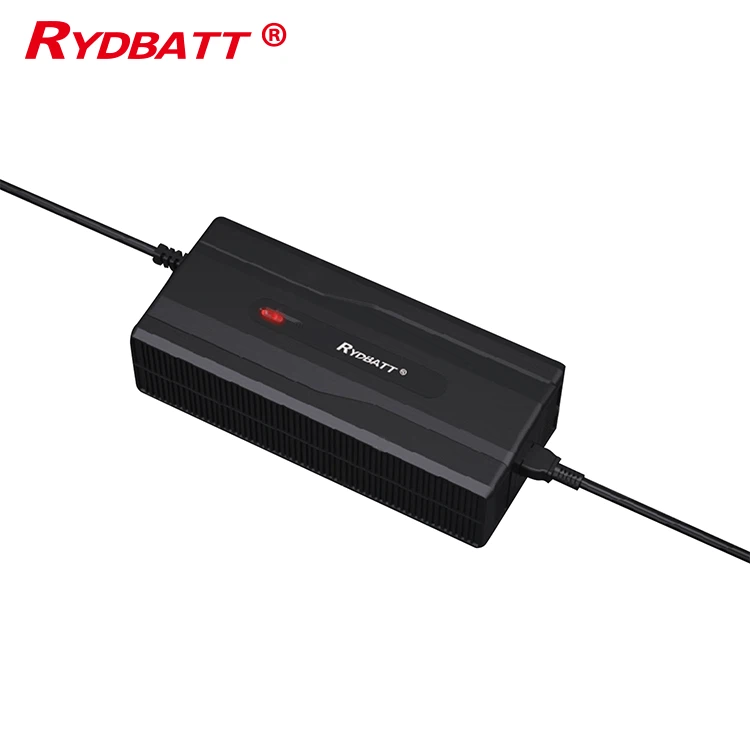
As a supplier of Li-ion battery chargers, we offer a wide range of high-quality chargers, including the 54.6V 5A Li-ion Smart Charger, Li Ion Battery Charger 54.6 V, and 54.6V 2A Charger. Our chargers are designed with advanced technology and safety features to ensure reliable and efficient charging.
In addition to our product offerings, we also provide technical support and repair services for our customers. If you have a Li-ion battery charger that has stopped working, our experienced technicians can diagnose the problem and provide you with a repair solution. We also offer replacement parts for our chargers, making it easier for you to perform minor repairs on your own.
If you're interested in learning more about our Li-ion battery chargers or need assistance with a charger repair, please feel free to contact us. We're here to help you find the best solution for your charging needs.
Conclusion
In conclusion, a Li-ion battery charger can often be repaired, depending on the nature and extent of the damage. Minor issues such as a faulty power cord or a power outlet problem can usually be fixed easily. Intermediate repairs, such as component replacement or firmware updates, may require technical expertise and diagnostic tools. Major repairs, such as internal circuit board damage, may be difficult or impossible to repair, and it may be more cost-effective to replace the charger.
As a supplier of Li-ion battery chargers, we're committed to providing our customers with high-quality products and excellent customer service. Whether you need a new charger or assistance with a charger repair, we're here to help. Contact us today to discuss your charging needs and explore our range of products.
References
- "Li-ion Battery Charging Basics" - Battery University
- "Troubleshooting Li-ion Battery Chargers" - Electronics Tutorials
- "Repairing Li-ion Battery Chargers: A Guide" - DIY Electronics Magazine