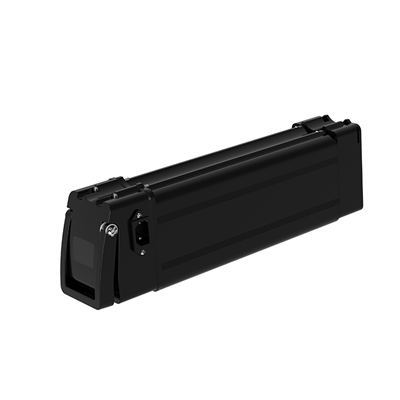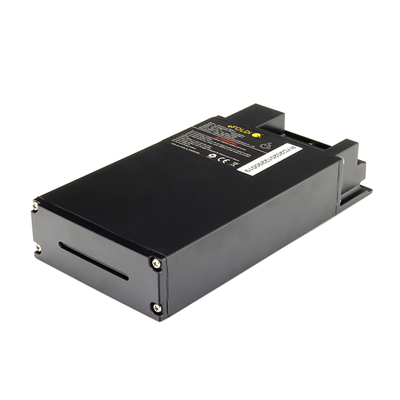
Choose the type according to your needs, giving priority to brand and safety
The following are the key points for choosing an electric bicycle battery, which combines the relevant and authoritative information in the search results (as of April 2025):
1. Choose the battery type according to the usage scenario
Short-distance commuting (such as shopping, picking up children):
Lead-acid battery: low price, high safety, but large size, short life (1.5-2 years), suitable for users with limited budget and short riding distance.
Graphene battery (upgraded version of lead acid): battery life and life are better than ordinary lead acid (3-4 years), high safety, suitable for medium and short distance needs.
Medium and long distance or frequent riding:
Lithium battery (such as ternary lithium battery, lithium iron phosphate battery): light, high energy density, long cycle life (5-8 years), but high price. Ternary lithium has better battery life, but poorer safety; lithium iron phosphate is more stable and resistant to high temperature.
New technology attempts:
Sodium-ion battery: Low temperature resistance, fast charging, but the price is high and the market verification is insufficient, so it is recommended to wait and see.
2. Focus on performance and disadvantages Low temperature environment: Prioritize sodium battery or manganese lithium battery (-20℃ performance is good), avoid lithium iron phosphate. High temperature environment: Lithium iron phosphate is safer, and ternary lithium needs to be cautious. Cycle life: Lithium iron phosphate (2000 times) > ternary lithium (1500 times) > graphene (1000 times) > lead acid (350 times).
3. Brand and quality assurance Choose a big brand: The production process and quality inspection are more stringent, reducing the risk of failure (such as overheating, short circuit).
Avoid inferior products: Especially lithium batteries, inferior products are prone to safety problems.
4. Other practical suggestions Budget trade-off: Lead-acid batteries have the highest cost-effectiveness, and lithium batteries have lower long-term use costs.
Weight requirement: Lithium batteries are light (suitable for frequent moving), while lead-acid batteries are heavier.