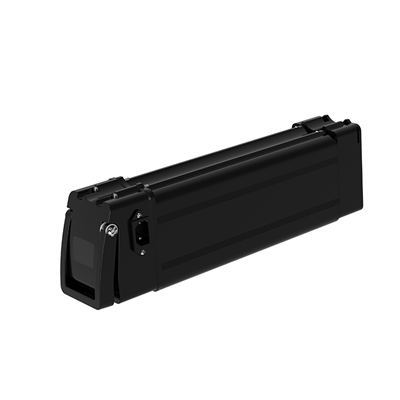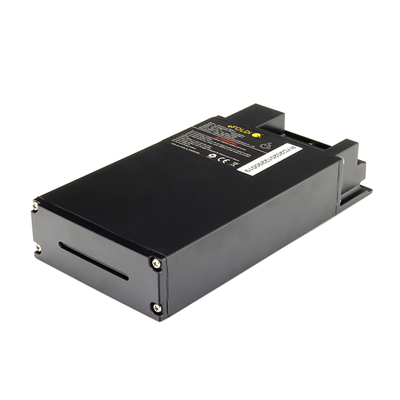
About 0.48-0.96 degrees (taking 48V/12Ah-20Ah as an example)
The battery capacity of an electric bicycle is usually measured in "degrees of electricity" (kilowatt-hours, kWh), and the specific value depends on the voltage (V) and capacity (Ah) of the battery. The following is a comprehensive analysis:
Common battery specifications and power calculations
Calculation formula: Power (kWh) = Voltage (V) × Capacity (Ah) ÷ 1000
48V/12Ah: Theoretical capacity is 0.576 degrees of electricity, and the actual charging is about 0.6-0.7 degrees (including losses).
48V/20Ah: Theoretical capacity is 0.96 degrees of electricity, and the actual charging may be close to 1 degree of electricity.
36V/15Ah: About 0.54 degrees of electricity (theoretical value), and the actual charging is about 0.15 degrees of electricity (this data is questionable and may be calculated incorrectly).
Mainstream battery types and capacity ranges
Lithium batteries: mostly 48V, with a capacity of 12Ah-20Ah, corresponding to a power of about 0.48-0.96 kWh.
Lead-acid batteries: voltage 36V-48V, capacity 10Ah-24Ah, with a wide power range.
Factors affecting actual power consumption
Charging loss: actual power consumption is usually 10%-20% higher than the theoretical value.
Voltage difference: high voltage (such as 60V, 72V) models have higher power, but are mostly used for electric motorcycles.