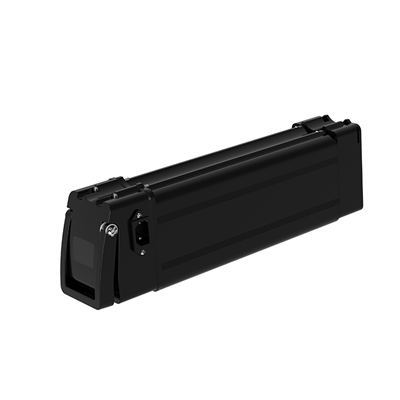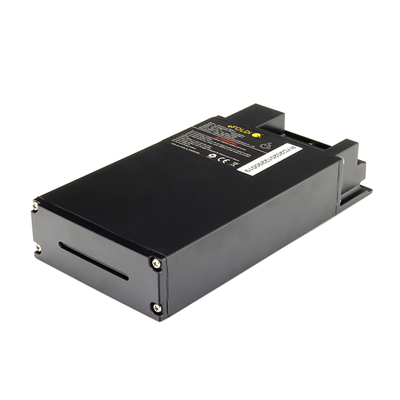
First, choose the right protective equipment. Prioritize the use of batteries with high protection levels, such as industrial-grade batteries with an IP65 or higher protection standard. Their sealing gaskets and waterproof casings can directly prevent rain and fog from invading; if using ordinary batteries, a dedicated waterproof battery box must be used. Inside the box, a layer of moisture-absorbing cotton can be placed to absorb moisture, while ensuring that the battery box cover is tightened and there are no gaps at the interface. During installation, additional sealing reinforcement is required. Wrap waterproof tape around the connection interface between the battery and the device, or apply electrical-specific sealant to prevent moisture from seeping into the interior through the contact gap.
Secondly, environmental avoidance and timely handling. When using the equipment outdoors, try to install the battery in a sheltered and ventilated position, such as below the rainproof cover on the top of the equipment, or build a temporary shelter with waterproof fabric. Avoid exposing the battery directly to rain and snow. In case of continuous rainy weather, check the battery surface once a day. If you find condensation or water droplets on the shell, use a dry cloth to wipe them clean immediately. At the same time, open the side cover of the equipment to ventilate for 10-15 minutes to reduce the internal humidity. If the battery is accidentally exposed to rain, immediately cut off the power and remove it. Use a dry cloth to absorb the surface moisture and then place it in a cool and ventilated place to dry. Do not expose it directly to the sun or use a hair dryer for high-temperature baking to prevent the battery shell from deforming and internal components from being damaged.
Final long-term maintenance. Regularly check the battery sealing condition. Replace the waterproof tape every 3 months and check if the sealing glue is cracked. If any damage is found, re-seal it in time. For outdoor batteries that are not in use, they should be fully charged first, then placed in a moisture-proof bag or sealed box for storage. The storage environment's humidity should be controlled at 40%-60%. Avoid storing them in damp areas such as basements or corners. After each outdoor operation, use a dry brush to clean the dust and debris at the battery interface to prevent dust from absorbing moisture and forming dirt, which may affect the conductivity and sealing performance.