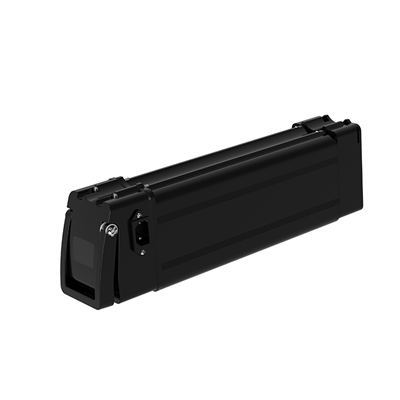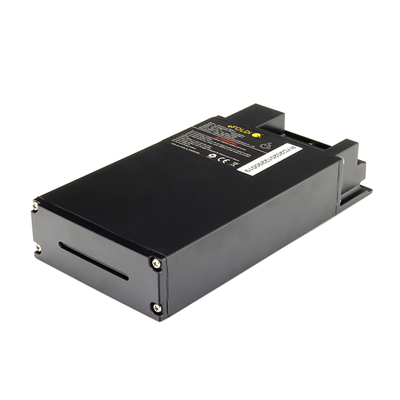
Range Performance
Lithium-ion Batteries: High energy density, providing 15%-20% more actual range than lead-acid batteries at the same capacity. For example, a lithium-ion electric vehicle can travel 45 kilometers on a full charge, while a lead-acid equivalent may only manage around 38 kilometers.
Lead-acid batteries: Low energy density results in shorter range for the same capacity. However, they exhibit relatively stable low-temperature performance. At -10°C, the range of a lead-acid battery electric vehicle decreases from 40 km to 30 km, while a lithium battery electric vehicle's range drops from 50 km to 32 km.
Service Life
Lithium Batteries: The number of charge-discharge cycles is 2-3 times that of lead-acid batteries. Based on 200 charges per year, lithium batteries can last 4-5 years and retain high residual value after retirement. The recycling price for used lithium batteries is approximately 5 times that of lead-acid batteries.
Lead-acid batteries: Typically have a cycle life of 300-500 cycles, with a service life of only 1.5-2.5 years. Long-term usage costs may not be low, and their recycling value is relatively low.
Weight and Portability
Lithium Batteries: Lightweight, weighing less than half to one-third of lead-acid batteries with the same capacity. They are easy to transport and store, offering significant advantages for users who need to carry batteries for charging or reside in high-rise buildings.
Lead-Acid Batteries: Heavy and bulky, making them inconvenient to transport and store. They increase the vehicle's load, compromising its agility and handling.
Safety
Lithium Batteries: Despite continuous technological advancements, thermal runaway risks persist under extreme conditions such as severe physical damage, overcharging, over-discharging, internal short circuits, or high-temperature environments. This may result in smoking, fire, or even explosions. Safety relies on high-quality cells and reliable battery management systems.
Lead-acid batteries: Characterized by high technological maturity, relatively simple structure, stable chemical properties, and superior safety. The probability of incidents like spontaneous combustion is comparatively low, and recycling systems are well-established.