
As a supplier of 48V lithium battery packs, I often encounter inquiries from customers about the charge - discharge curve of these battery packs. Understanding this curve is crucial for anyone using or considering using a 48V lithium battery pack, whether it's for electric bikes, energy storage systems, or other applications.
Basics of a 48V Lithium Battery Pack
Before delving into the charge - discharge curve, let's briefly understand what a 48V lithium battery pack is. A 48V lithium battery pack is composed of multiple lithium - ion cells connected in series and parallel to achieve the desired voltage and capacity. Lithium - ion batteries are popular due to their high energy density, long cycle life, and relatively low self - discharge rate.
The Charge Curve of a 48V Lithium Battery Pack
The charging process of a 48V lithium battery pack can be divided into several stages, and each stage has a distinct impact on the shape of the charge curve.
Constant - Current (CC) Charging
The first stage of charging is the constant - current stage. At the beginning of the charge, the charger supplies a constant current to the battery pack. During this phase, the voltage of the battery pack gradually increases as it stores energy. The current remains constant until the battery voltage reaches a certain threshold, typically around 4.2V per cell. For a 48V lithium battery pack, which usually consists of 13 or 14 lithium - ion cells in series, the total voltage at the end of the CC stage will be around 54.6V - 58.8V.
This stage is characterized by a relatively steep slope on the charge curve. The battery is absorbing energy at a high rate, and the charger is working hard to push electrons into the battery cells. The constant - current charging is efficient and helps to quickly bring the battery from a low - state - of - charge to a relatively high level.
Constant - Voltage (CV) Charging
Once the battery voltage reaches the set threshold, the charger switches to the constant - voltage mode. In this stage, the charger maintains a constant voltage while the current gradually decreases. As the battery approaches full charge, the internal resistance of the battery increases, and the ability to accept current reduces. The current drops exponentially until it reaches a predefined cut - off value, usually around 0.05C - 0.1C (where C is the battery's rated capacity).
The CV stage is important for ensuring a full and safe charge of the battery. It helps to balance the charge among individual cells and prevents over - charging, which can lead to reduced battery life and safety hazards. On the charge curve, this stage is represented by a flatter slope as the battery voltage remains relatively stable while the current decreases.
The Discharge Curve of a 48V Lithium Battery Pack
The discharge process of a 48V lithium battery pack also has its own characteristics, and the discharge curve provides valuable information about the battery's performance.
Initial Discharge
When the battery starts to discharge, the voltage drops slightly from its fully - charged state. This initial drop is due to the internal resistance of the battery. As the load draws current from the battery, the battery's internal resistance causes a voltage drop, and the terminal voltage of the battery pack decreases.
Mid - Discharge
During the mid - discharge stage, the voltage of the battery pack remains relatively stable. This is the most useful part of the discharge curve, where the battery can provide a consistent voltage to power the connected device. For a 48V lithium battery pack, the mid - discharge voltage typically ranges from around 42V - 48V, depending on the battery's state - of - charge and the load current.
The stability of the voltage during mid - discharge is one of the key advantages of lithium - ion batteries. It allows devices to operate smoothly without significant voltage fluctuations, which is especially important for sensitive electronics.
End - of - Discharge
As the battery approaches the end of its discharge cycle, the voltage starts to drop more rapidly. This is because the available energy in the battery is running out, and the internal chemical reactions are becoming less efficient. When the battery voltage reaches a certain cut - off voltage, usually around 3.0V - 3.2V per cell (or around 39V - 44.8V for a 48V battery pack), the battery should be disconnected from the load to prevent over - discharge.
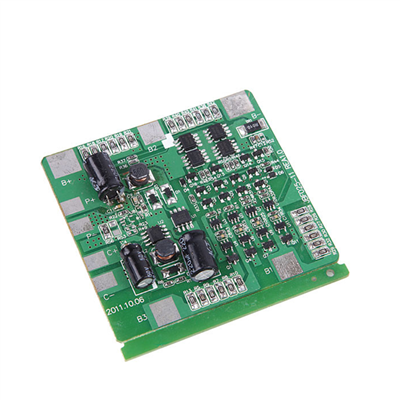
Over - discharging can cause irreversible damage to the battery cells, such as the formation of metal dendrites, which can lead to short - circuits and safety issues. Therefore, most battery management systems (BMS) are designed to cut off the discharge when the battery voltage reaches the safe cut - off level.
Importance of Understanding the Charge - Discharge Curve
Understanding the charge - discharge curve of a 48V lithium battery pack is essential for several reasons.
Battery Life and Performance
Proper charging and discharging based on the curve can significantly extend the battery's cycle life. Over - charging or over - discharging can cause premature aging of the battery cells, reducing their capacity and overall performance. By following the recommended charging and discharging procedures, users can ensure that the battery pack operates within a safe and efficient range.
System Design
For engineers and designers, the charge - discharge curve is crucial for system design. It helps to determine the appropriate charger specifications, the sizing of the battery pack, and the compatibility with the connected devices. For example, if a device requires a stable 48V power supply, the designer needs to consider the mid - discharge voltage range of the battery pack and ensure that the battery can provide sufficient power during the device's operation.
Energy Management
In applications such as electric vehicles and energy storage systems, understanding the charge - discharge curve is vital for energy management. It allows for accurate estimation of the remaining energy in the battery pack, which is important for range prediction in electric vehicles and load - balancing in energy storage systems.
Our 48V Lithium Battery Pack Offerings
At our company, we offer a wide range of high - quality 48V lithium battery packs. Our battery packs are designed with advanced battery management systems to ensure safe and efficient charging and discharging. We also provide detailed specifications about the charge - discharge curve for each of our products, so our customers can make informed decisions.
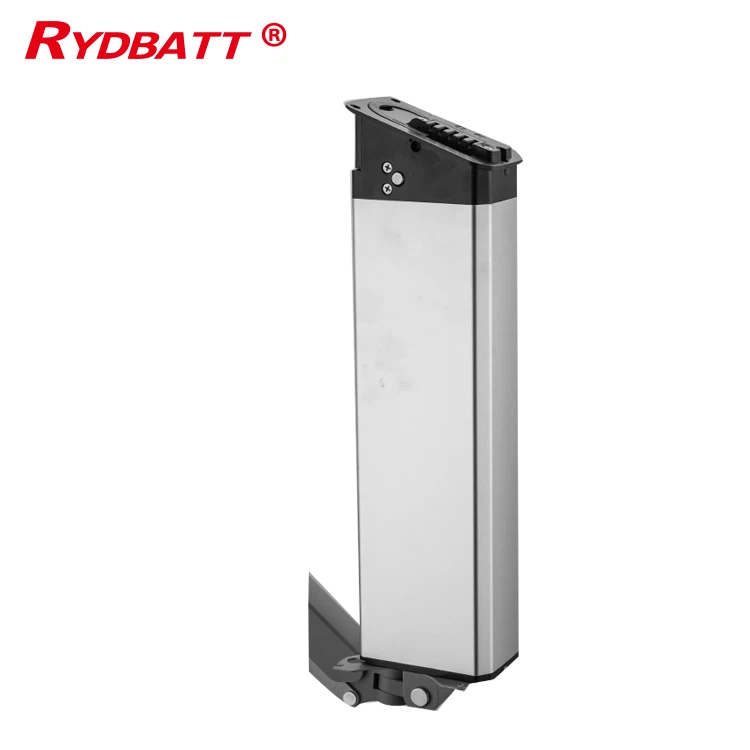
If you are interested in other related products, you can check out our E - Bike 36V Lithium Battery and 36V 10Ah Lithium - ion Battery Pack. Among our popular products, the Ryder Electronics' 48V 20Ah Lithium Battery has received positive feedback from customers due to its excellent performance and long cycle life.

Contact Us for Purchase
If you are in the market for a reliable 48V lithium battery pack, we would be more than happy to assist you. Whether you need a battery pack for your electric bike, energy storage system, or any other application, our team of experts can provide you with the right solution. Please feel free to contact us for more information and to start a purchase negotiation. We look forward to working with you to meet your battery needs.
References
- Linden, D., & Reddy, T. B. (2002). Handbook of Batteries. McGraw - Hill.
- Tarascon, J. M., & Armand, M. (2001). Issues and challenges facing rechargeable lithium batteries. Nature, 414(6861), 359 - 367.
- Gregory, D. P., & Daniel, C. (2019). Lithium - ion Batteries: Science and Technologies. Springer.