
As a supplier of electric motorcycle batteries, I've witnessed firsthand the importance of battery performance and durability. One of the most common issues that riders face is battery overheating. Overheating can not only reduce the battery's lifespan but also pose a significant safety risk. In this blog post, I'll explore the various factors that can cause an electric motorcycle battery to overheat, providing insights and solutions to help you maintain your battery's health.
High Ambient Temperatures
The environment plays a crucial role in the temperature of your electric motorcycle battery. When the ambient temperature is high, the battery has to work harder to dissipate heat. Lithium-ion batteries, which are commonly used in electric motorcycles, are particularly sensitive to high temperatures. According to research, lithium-ion batteries operate most efficiently at temperatures between 20°C and 25°C (68°F and 77°F). When the temperature exceeds 40°C (104°F), the battery's internal resistance increases, leading to more heat generation during charging and discharging.
For instance, if you're riding your electric motorcycle on a hot summer day or leaving it parked in direct sunlight, the battery can quickly overheat. To mitigate this issue, try to park your motorcycle in a shaded area whenever possible. If you're planning a long ride in hot weather, consider taking breaks to allow the battery to cool down. Additionally, some advanced electric motorcycles are equipped with thermal management systems that can help regulate the battery temperature.
Overcharging
Overcharging is another major cause of battery overheating. When a battery is overcharged, it continues to receive electrical energy even after it has reached its full capacity. This excess energy is converted into heat, which can cause the battery temperature to rise rapidly. Overcharging can also lead to the degradation of the battery's electrodes and electrolyte, reducing its overall performance and lifespan.
To prevent overcharging, it's essential to use a high-quality charger that is specifically designed for your electric motorcycle battery. Most modern chargers are equipped with built-in protection mechanisms that automatically stop charging when the battery reaches its full capacity. However, it's still a good idea to monitor the charging process and avoid leaving your battery connected to the charger for extended periods.
High Discharge Rates
Riding your electric motorcycle at high speeds or under heavy loads can result in high discharge rates, which can cause the battery to overheat. When the battery is discharged at a high rate, it has to deliver a large amount of current in a short period. This increased current flow generates more heat due to the internal resistance of the battery.
For example, if you frequently accelerate rapidly or carry heavy cargo on your motorcycle, the battery will have to work harder to meet the power demands. To reduce the risk of overheating, try to ride your motorcycle at a moderate speed and avoid sudden acceleration or deceleration. If you need to carry heavy loads, consider using a battery with a higher capacity, such as our 72V High Capacity Battery.


Poor Ventilation
Proper ventilation is crucial for maintaining the optimal temperature of your electric motorcycle battery. If the battery is enclosed in a tight space without adequate airflow, the heat generated during charging and discharging cannot be effectively dissipated. This can lead to a buildup of heat inside the battery compartment, causing the battery to overheat.
To ensure proper ventilation, make sure that the battery compartment is clean and free of debris. Avoid covering the ventilation holes or blocking the airflow around the battery. If you notice that the battery is getting hot during normal use, check the ventilation system to ensure that it is functioning properly.
Aging and Degradation
As an electric motorcycle battery ages, its internal components gradually degrade, which can lead to increased heat generation. Over time, the electrodes can become worn, and the electrolyte can lose its effectiveness. This degradation can cause the battery's internal resistance to increase, resulting in more heat being produced during charging and discharging.
If you notice that your battery is overheating more frequently as it gets older, it may be a sign that it needs to be replaced. Our company offers a wide range of high-quality electric motorcycle batteries, including 60V Electric Motorcycle Lithium Battery and 72V 40Ah Electric Bike Lithium Battery, which are designed to provide long-lasting performance and reliability.
Faulty Battery Management System (BMS)
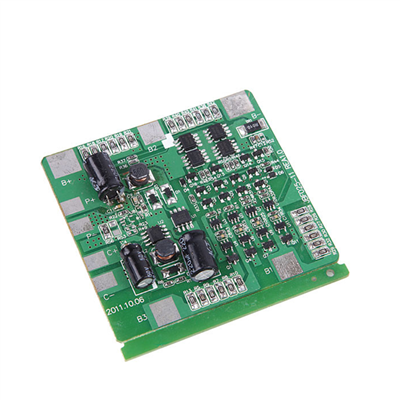
The Battery Management System (BMS) is an essential component of an electric motorcycle battery. It monitors the battery's voltage, temperature, and state of charge, and ensures that the battery operates within safe limits. A faulty BMS can fail to detect overheating or other issues, allowing the battery to continue operating under unsafe conditions.
If you suspect that your battery's BMS is malfunctioning, it's important to have it inspected and repaired by a qualified technician. A malfunctioning BMS can not only cause the battery to overheat but also pose a safety risk.
Conclusion
Battery overheating is a common issue that can affect the performance and lifespan of your electric motorcycle battery. By understanding the various causes of battery overheating, you can take proactive steps to prevent it and ensure the longevity of your battery. Whether it's avoiding high ambient temperatures, preventing overcharging, or maintaining proper ventilation, every small effort can make a big difference.
At our company, we're committed to providing high-quality electric motorcycle batteries that are designed to withstand the rigors of daily use. Our 60V Electric Motorcycle Lithium Battery, 72V 40Ah Electric Bike Lithium Battery, and 72V High Capacity Battery are all built with advanced technology and rigorous quality control to ensure optimal performance and safety.
If you're interested in learning more about our products or have any questions about electric motorcycle batteries, we encourage you to contact us for a procurement discussion. Our team of experts is ready to assist you in finding the perfect battery solution for your needs.
References
- "Lithium-Ion Battery Thermal Management for Electric Vehicles." Journal of Power Sources.
- "Battery Management Systems for Electric and Hybrid Vehicles." Springer.
- "Understanding Lithium-Ion Batteries: A Guide for Electric Vehicle Owners." National Renewable Energy Laboratory.