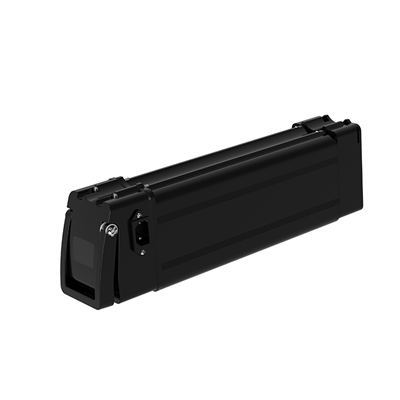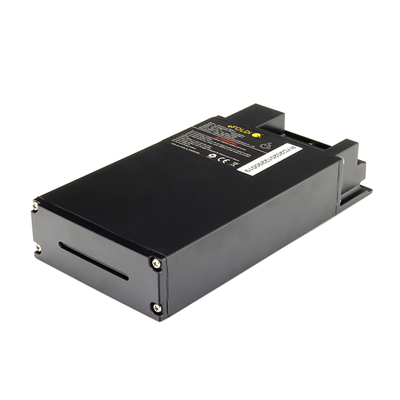
Why Are Lithium Batteries Becoming Popular for Golf Carts?
Longer Service Life and Lower Replacement Costs
One of the biggest reasons golf cart manufacturers are replacing traditional lead-acid batteries with lithium solutions is service life.
Lead-acid batteries typically require more frequent replacement because repeated deep discharge cycles gradually reduce their capacity. In comparison, lithium batteries, especially LiFePO4 batteries, can provide significantly longer cycle performance when properly managed.
For commercial applications such as golf courses, resorts, and industrial transportation, longer battery life means:
Reduced maintenance frequency
Lower replacement expenses
Less vehicle downtime
Improved customer satisfaction
A properly designed LiFePO4 golf cart battery can provide stable performance over thousands of charging cycles, making it suitable for applications requiring daily operation.
Higher Energy Density and Lightweight Design
Battery weight directly affects the efficiency and driving experience of electric vehicles.
Traditional lead-acid battery systems are relatively heavy because they require more material to store usable energy. Lithium batteries offer higher energy density, allowing manufacturers to achieve similar or higher driving ranges with a lighter battery pack.
A lighter battery system can provide:
Improved vehicle efficiency
Easier installation
Better payload capacity
More flexible vehicle design
For golf cart OEM manufacturers, battery weight optimization is especially important when designing new vehicle platforms.
How to Select the Correct Golf Cart Lithium Battery?
Choosing the right golf cart lithium battery requires more than selecting a battery with a higher capacity. For OEM manufacturers, distributors, and fleet operators, battery selection should consider voltage compatibility, capacity requirements, battery chemistry, BMS functions, environmental conditions, and certification standards.
A reliable battery solution should not only provide sufficient power but also ensure long-term safety, stable performance, and compatibility with the vehicle system.
1. Confirm the Required Battery Voltage
Voltage compatibility is the first factor to consider when selecting a lithium battery for golf cart applications.
Common golf cart battery systems include:
36V systems
48V systems
60V systems
72V systems
The battery voltage must match the vehicle controller, motor system, charger, and other electrical components.
For example, replacing a traditional lead-acid battery system with a lithium solution requires checking:
Existing battery configuration
Motor voltage requirements
Controller specifications
Charger compatibility
Installation space
For OEM projects, standardized batteries may not always meet vehicle design requirements. A professional golf cart battery manufacturer should be able to provide customized voltage solutions based on different vehicle platforms.
With OEM/ODM capabilities, Ryder supports customized lithium battery solutions for different electric vehicle applications, including voltage configuration, battery structure design, and communication requirements.
2. Select the Right Battery Capacity (Ah) for Driving Range Requirements
Battery capacity determines how much energy the battery can store and directly affects the driving range of a golf cart.
Capacity is usually measured in Ampere-hours (Ah). A higher Ah rating generally means:
Longer operating time
Greater driving range
Better suitability for heavy-duty applications
However, selecting the largest capacity battery is not always the best solution. The battery size should match:
Vehicle power consumption
Daily operating distance
Passenger or cargo load
Charging frequency
Available installation space
For commercial golf carts used in resorts, factories, airports, and large outdoor areas, higher-capacity lithium battery packs are often preferred because vehicles may need continuous operation throughout the day.
Battery manufacturers can optimize battery capacity according to actual application requirements instead of offering only standard models.
3. Choose the Appropriate Battery Chemistry: LiFePO4 vs NCM
Battery chemistry is another important factor when selecting a lithium battery for golf cart applications.
The two commonly used lithium battery chemistries are LiFePO4 (Lithium Iron Phosphate) and NCM (Nickel Cobalt Manganese).
LiFePO4 Golf Cart Battery
LiFePO4 batteries are widely used in electric vehicles because of their excellent safety performance and long cycle life.
Main advantages include:
High thermal stability
Long service life
Strong safety performance
Stable discharge characteristics
For golf carts, sightseeing vehicles, and low-speed electric vehicles that prioritize reliability and durability, LiFePO4 batteries are often an ideal choice.
NCM Lithium Battery
NCM batteries provide higher energy density compared with LiFePO4 batteries.
Advantages include:
Higher energy density
Lighter weight
More compact battery design
For applications where weight reduction and longer driving range are important, NCM solutions may provide additional benefits.
The right battery chemistry depends on the specific vehicle requirements. A professional lithium battery supplier should evaluate the application environment before recommending the most suitable solution.
4. Evaluate Battery Management System (BMS) Functions
The Battery Management System (BMS) is one of the most important components inside a lithium battery pack.
A high-quality BMS helps protect the battery and improve reliability by monitoring and controlling:
Overcharge protection
Over-discharge protection
Over-current protection
Short-circuit protection
Temperature monitoring
Cell balancing
For smart electric vehicles, communication capability is also important.
Advanced battery systems may require communication protocols such as:
UART
RS485
CAN
These functions allow the battery system to communicate with the vehicle controller or monitoring system, helping manufacturers achieve better system integration.
Ryder develops customized battery solutions with professional BMS design capability, supporting different application requirements including communication functions and intelligent battery management.
5. Consider Operating Environment and Protection Requirements
Golf carts are often used in outdoor environments, meaning batteries need to handle different temperature, humidity, and usage conditions.
When selecting a golf cart lithium battery, manufacturers should consider:
Temperature Performance
Battery performance can be affected by extreme temperatures.
Important factors include:
Charging temperature range
Discharging temperature range
Thermal management design
For example, Ryder's lithium battery solutions are designed for different application environments, including outdoor vehicles requiring reliable performance under changing temperature conditions.
Protection Design
Outdoor electric vehicles may face exposure to:
Dust
Moisture
Rain
Vibration
Therefore, battery packs may require:
Waterproof enclosure design
Mechanical protection
Reliable connectors
Safety testing
A properly designed battery enclosure helps improve durability and extends service life.
6. Check Safety Certifications Before Purchase
For OEM buyers, certifications are essential when selecting a battery supplier.
Different markets and applications may require different standards, including:
UN38.3 transportation certification
CE certification
UL certification
IEC standards
RoHS compliance
These certifications demonstrate that the battery system has passed relevant safety and reliability evaluations.
For example, Ryder's lithium battery products and energy storage solutions comply with international certification requirements, including CE, UN38.3, UL1973, UL9540, IEC62619, and other standards depending on product categories.
7. Choose a Battery Manufacturer with OEM/ODM Capability
For businesses purchasing lithium batteries in bulk, selecting the right manufacturer is as important as selecting the battery itself.
A professional OEM lithium battery supplier should provide:
Battery cell selection
Pack structure design
BMS development
Prototype testing
Mass production capability
Quality control system
Ryder, established in 2005, specializes in lithium battery solutions and provides customized battery pack development for different industries. The company operates an 84,000㎡ industrial facility and has capabilities covering research and development, manufacturing, and quality management.
For golf cart manufacturers and electric vehicle brands, cooperation with an experienced battery partner can help shorten development cycles and improve product reliability.