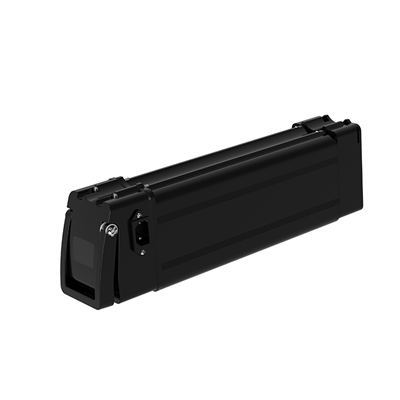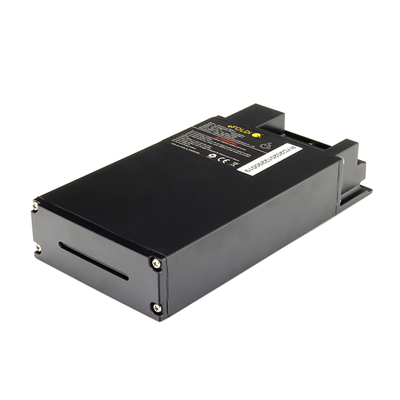
From 2022 to 2024, the lithium battery industry underwent a shift from capacity shortages to oversupply. Driven by both supply-demand imbalances and cost-cutting pressures from downstream automakers, competition intensified within the battery sector. Anticipating capacity consolidation, Chinese battery manufacturers adopted proactive strategies such as expanding overseas operations and diversifying into energy storage businesses. Lithium batteries primarily serve three downstream applications: new energy vehicles, energy storage, and consumer electronics. The upstream supply chain comprises cathode materials, anode materials, electrolytes, separators, and packaging materials, with cathode materials accounting for the largest share of material costs. Battery cathode materials primarily include ternary (lithium nickel cobalt manganese oxide, lithium nickel cobalt aluminum oxide), lithium iron phosphate, lithium cobalt oxide, and lithium manganese oxide types. Among these, ternary lithium batteries and lithium iron phosphate batteries are mainly used in power storage applications, lithium cobalt oxide batteries are primarily used in consumer electronics, and lithium manganese oxide batteries are mainly used in power tools and small electric vehicles.
From 2021 to 2024, driven by rapid growth in downstream demand, investment expansion accelerated across all segments of the lithium battery industry chain. From 2021 to 2022, capacity expansion lagged behind demand. After 2023, concentrated capacity releases led to oversupply. Lithium carbonate, a key raw material for producing lithium battery cathode materials, offers a relatively direct reflection of the supply-demand dynamics within the lithium battery industry chain. In 2021, industry supply shortages drove rapid growth in lithium carbonate prices. In 2022, fixed-asset investment by lithium battery companies peaked, creating a temporary tight balance between capacity and demand, with lithium carbonate prices remaining elevated throughout the year. In 2023, growth in the power battery market slowed. While capital expenditure reports from major lithium battery companies showed a year-on-year decline in capacity investment scale, the industry still experienced structural supply-demand imbalances due to the earlier massive release of capacity, causing lithium carbonate prices to plummet rapidly. In 2024, lithium carbonate prices hovered persistently at low levels between 100,000 and 120,000 yuan per ton, marking a decline of over 80% from peak levels. Driven by both structural overcapacity and cost-cutting pressures from downstream automakers, competition within the lithium battery industry intensified. Profitability for companies in the sector faced significant pressure, with expectations of capacity rationalization emerging within the industry.
Competition in the lithium battery industry primarily tests participants' manufacturing capabilities and cost control, with high industry concentration. According to SNE Research statistics, in the global power and energy storage battery sector for 2024, the top ten companies by shipment volume collectively accounted for 87% of the market, down from 92% in 2023. This decline primarily resulted from increased adoption of lithium iron phosphate batteries, which led to year-on-year shipment decreases for three South Korean firms (SK on, SDI, and LG Energy Solution), allowing non-top-ten companies to gain overall market share. Chinese companies accounted for over 65% of global market share in shipments. Driven by both supply-demand imbalances in production capacity and cost-cutting pressures from downstream automakers, competition in the power and energy storage battery sector has intensified, putting pressure on profitability for industry players.