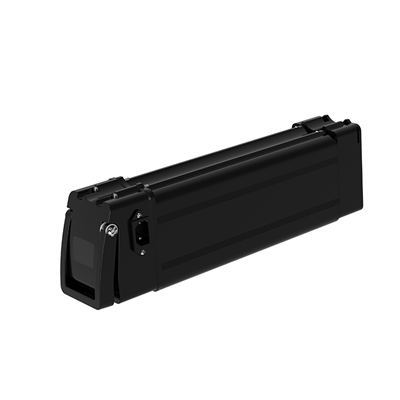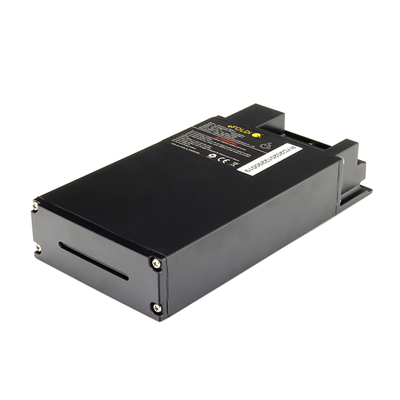
Q1: What does IP67 protection level specifically mean? Can I rinse the surface of the battery directly with water?
A1: The "6" in IP67 represents complete dust prevention, which can prevent any dust from entering; '7' represents protection against short-term immersion, which can be safely immersed in water no deeper than 1 meter under specified pressure for a short period of time. Therefore, it can withstand rainstorm, splash and humid environment. However, this does not mean that high-pressure water guns can be used to directly spray and rinse for a long time, especially at the charging/discharging interface. It is recommended to use a damp cloth for daily cleaning.
Q2: Will the performance of this battery decrease significantly when used outdoors in cold regions during winter?
A2: All lithium batteries experience performance degradation at low temperatures. Our battery can effectively discharge at -20 ° C through cell selection and BMS intelligent management (with a capacity of approximately 70% -80% of room temperature, depending on the discharge rate). For extreme low temperature environments, we can offer battery system options with intelligent heating function.
Q3: Will the sealing design of the battery affect heat dissipation? How to ensure safety at high temperatures?
A3: This is a critical engineering balance point. Our design solves the problem through the following methods: 1) selecting lithium iron phosphate batteries with low heat generation rate; 2) Uniformly dissipate heat through a metal shell and internal thermal conductive material; 3) BMS monitors the temperature of each battery cell in real-time and actively limits or alarms during high temperatures. IP67 sealing and good heat dissipation are synergistically achieved in our design.
Q4: As a device manufacturer, can we customize the size and interface of IP67 batteries according to the shape of our device?
A4: Of course you can. Customization (ODM/OEM) is one of our core services. We can provide a complete customized solution for battery cell layout, structural design, BMS programming, and shell forming based on the internal space, power requirements, and interface protocol of your device, ensuring perfect integration between the battery and your device.