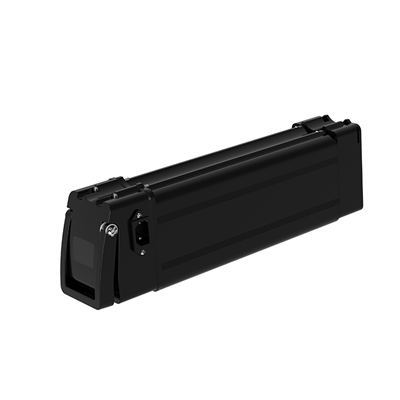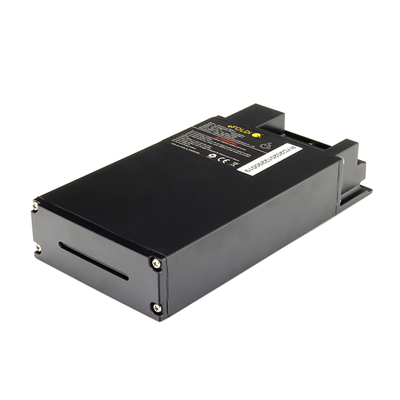
Common battery types for electric motorcycles mainly include lead-acid batteries, lithium batteries, graphene batteries, and sodium batteries.
Lead-acid batteries
Lead-acid batteries are the most traditional type of batteries and have a history of more than 100 years. They are characterized by high safety, no risk of spontaneous combustion, simple production process, and low raw material cost, so the price is relatively affordable. Lead-acid batteries are suitable for users with limited budgets and a daily range of less than 20 kilometers. However, lead-acid batteries have a low energy density, large volume and weight, poor endurance in winter, and a short service life, usually 1 to 2 years.
Lithium batteries
The application of lithium batteries has gradually increased in recent years, mainly including ternary lithium batteries and lithium iron phosphate batteries. Ternary lithium batteries have high energy density, but poor thermal stability and high cost. Lithium iron phosphate batteries have moderate energy density, good thermal stability, long charge and discharge cycles, support fast charging, and are light in weight. Lithium iron phosphate batteries are suitable for users who need long battery life and frequent charging, especially in winter.
Graphene battery
Graphene battery is modified by adding graphene composite technology to lead-acid battery. Although it is still a lead-acid battery in essence, it has a longer service life and can be charged and discharged for more than 800 times, which is twice that of ordinary lead-acid batteries. Graphene battery is suitable for use in various ambient temperatures and does not require modification. It can directly replace lead-acid batteries.