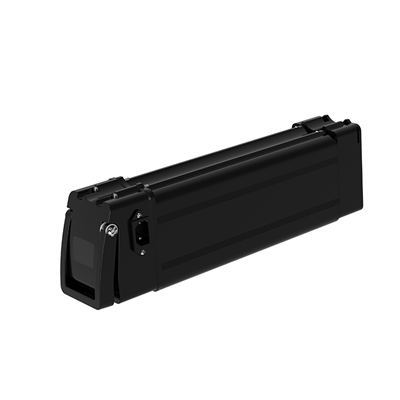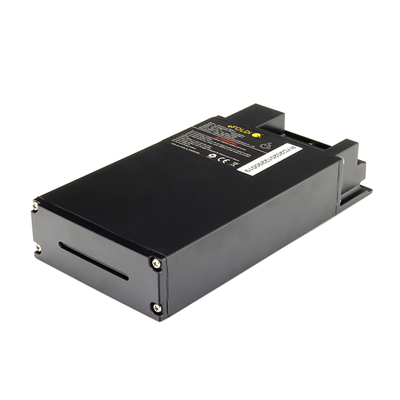
In light electric vehicles, power tools, energy storage and portable devices, lithium-ion and lead-acid batteries each have distinct advantages for different scenarios. Choice depends not only on price, but also on energy density, cycle life, safety, lightweight design and total cost of ownership.
1. Core Conclusion: Which Is Right for You?
For light weight, long range, long life, fast charging: Choose lithium-ion batteries.
For low cost, high stability, easy maintenance: Choose lead-acid batteries.
Range mainly depends on capacity. At the same voltage and capacity (e.g. 48V20Ah), lithium-ion batteries deliver slightly longer range due to lighter weight. When capacities differ, the higher-capacity battery goes farther.
2. Why Lithium-Ion Batteries Are Generally Superior
Much higher energy densityLithium-ion offers over 3 times higher volumetric and gravimetric energy density than lead-acid. Same capacity means smaller size and lighter weight, making vehicles easier to handle and charge.
Longer cycle lifeStandard lithium-ion: 800+ cycles; LiFePO4: up to around 2000 cycles - 1.5–5 times longer than lead-acid, lowering long-term cost.
High-rate discharge & fast chargingStrong discharge performance suits power tools and high-power e-mobility. Fast charging takes 20 mins–1 hour with efficiency over 84%.
Broader applicationIdeal for light EVs, power tools, off-grid energy storage, portable medical devices, consumer electronics - core markets of Ryder.
3. Irreplaceable Strengths of Lead-Acid Batteries
Lower upfront costAffordable, usually several hundred yuan, much cheaper than lithium-ion.
Proven stability & safety perceptionMature technology with long track record; lower perceived risk in high-temperature or abusive conditions.
Good recyclability & repairabilityHigh recycling value; some can be refurbished, reducing maintenance cost.
Sufficient for basic daily commutingTypical range 50–60 km, enough for household short trips.
4. Brief Working Principle Comparison
Lithium-ion: Li+ ions intercalate/de-intercalate between cathode and anode during charge/discharge. Graphite is widely used as anode. High energy density and excellent lightweight performance.
Lead-acid: Electrodes based on lead/lead oxide; electrolyte is sulfuric acid. Low cost, stable, but low energy density and bulky.
5. Key Parameter Comparison (Same Capacity)
| Item | Lithium-Ion | Lead-Acid |
|---|---|---|
| Weight | Light (approx. 2.5–3kg) | Heavy (16–30kg) |
| Energy Density | 200–260Wh/kg | 50–70Wh/kg |
| Cycle Life | 800–2000 cycles | Relatively short |
| Fast Charging | Strong | Weak |
| Cost | Higher | Low |
| Best For | Premium/long-range/lightweight | Basic/low-cost commuting |
6. About Ryder New Energy
Founded in July 2005, Huizhou Ryder New Energy (Ryder) specializes in cutting-edge R&D of lithium-ion battery system integration and customized solutions. We own full-stack independent IP covering BMS, battery PACK, system architecture, power supply, circuit design, industrial design and precision mold development. We are a National High-Tech Enterprise and a "Specialized, Sophisticated, Innovative and Distinctive" (SSID) SME.
We operate ISO-certified labs and testing centers performing full validation including UN38.3, UL, thermal shock (-40℃ to +85℃), safety and cycle life. Our products serve light EVs, power tools, off-grid energy storage, portable medical devices and consumer electronics worldwide.
TEL: 0086-0752-5880937
E-mail: manager@ryderbattery.com
Headquarters: SHENZHEN RYDER ELECTRONICS CO., LTD.
Factory: HUIZHOU RYDER NEW ENERGY CO., LTD.