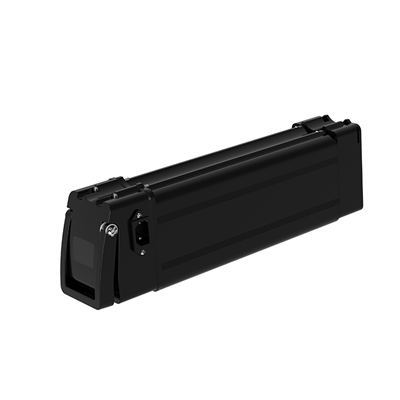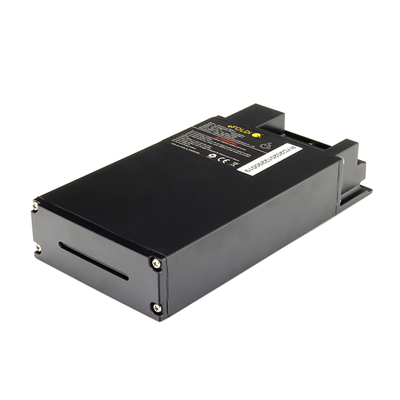
Two-wheelers, three-wheelers, and low-speed four-wheelers are the most widely used application fields of lithium batteries in the vehicle sector, with huge market demand and mature industrial supporting facilities.
In the two-wheeler market, lithium batteries have gradually replaced lead-acid batteries due to their light weight, long service life, and fast charging performance. In 2026, the penetration rate of lithium batteries in electric two-wheelers in China has reached 80%, and global shipments of lithium batteries for two-wheelers are expected to exceed 300GWh. These batteries are mainly lithium iron phosphate (LiFePO4) and lithium manganese oxide (LMO) types, which have the advantages of high safety and low cost, suitable for daily commuting and short-distance travel.
Electric three-wheelers, widely used in urban distribution, rural passenger and cargo transportation, have an increasing demand for lithium batteries, with a year-on-year growth of 30% in 2026.
Low-speed four-wheelers, as a convenient means of transportation for the elderly and rural residents, are also accelerating electrification, and the demand for lithium batteries is expected to reach 80GWh this year.
Lithium batteries for these vehicle fields focus on cycle life, safety, and cost control, with cycle life requirements of more than 1500 times and energy density of 100-150Wh/kg.
With the continuous improvement of charging infrastructure and policy support, the demand for lithium batteries in these vehicle fields will continue to grow.