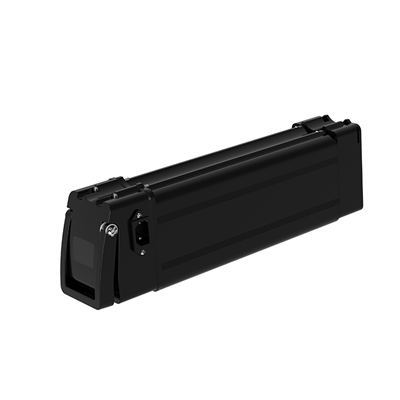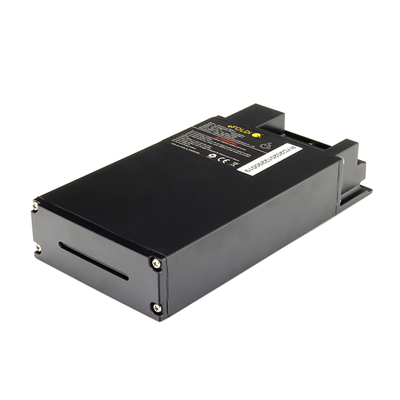
How BMS Uses Pressure Sensors for Multi-Layer Thermal Runaway Control
Modern Battery Management Systems (BMS) implement an advanced multi-tier defense architecture to detect and control thermal runaway (TR) risks using real-time pressure telemetry:
Signal Transmission & Analytics (PWM Technology)
The internal pressure sensor monitors pack fluctuations and transmits data to the BMS via PWM (Pulse Width Modulation) signals.
By decoding the precise frequency and duty cycle, the BMS calculates real-time pressure changes with minimal latency, eliminating the signal noise common in analog lines.
Multi-Layer Safety Response Matrix
When internal pack pressure exceeds the pre-set safety threshold, the BMS instantly triggers a three-pronged mitigation sequence:
Electrical Isolation: The BMS opens high-voltage contactors and signals the VCU to initiate active discharge, dropping bus voltage immediately to prevent electrical arcing or shocking hazards.
Occupant Protection: The system interfaces with the vehicle's body controller to automatically unlock all doors, ensuring passengers can escape safely.
Thermal Control & HMI Alert: The BMS overrides standard cooling profiles to maximize thermal management output while sending critical visual and audio warnings to the Human-Machine Interface (HMI).