



The storage temperature range for a NiMH (Nickel-Metal Hydride) battery charger is a critical factor that significantly impacts its performance, lifespan, and safety. As a reputable supplier of NiMH battery chargers, we understand the importance of providing accurate information on this topic to ensure our customers make the most of our products.

Understanding NiMH Battery Chargers
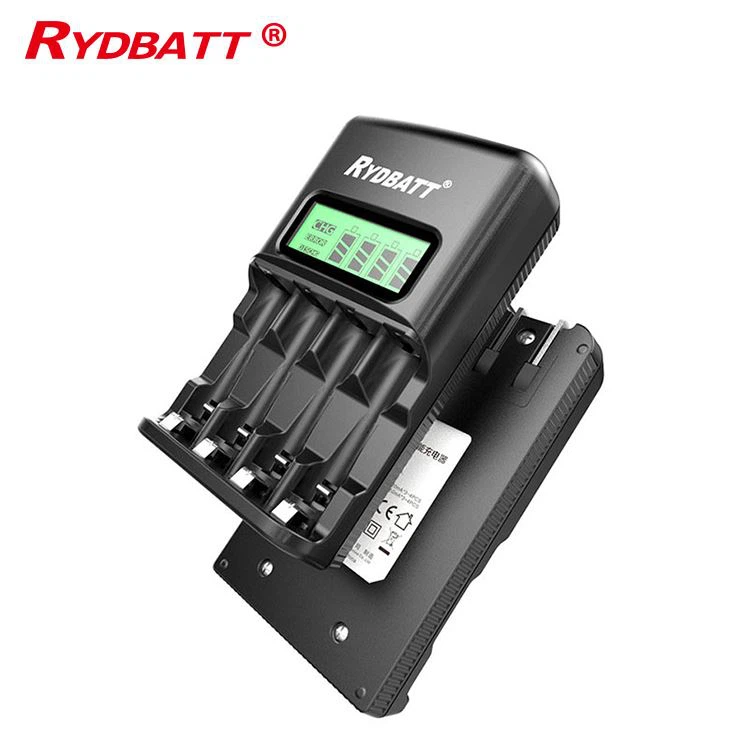
NiMH battery chargers are designed to recharge NiMH batteries efficiently and safely. These chargers come in various configurations, such as 4 Slot NiMH Charger with LCD Display, 16 Slot NiMH Charger with LCD Display, and 12 Slot NiMH Charger with LCD Display, catering to different user needs.
Ideal Storage Temperature Range
The ideal storage temperature range for a NiMH battery charger typically falls between 0°C and 40°C (32°F and 104°F). Storing the charger within this range helps maintain its internal components in good condition and ensures optimal performance when in use.
- Low Temperatures: At temperatures below 0°C, the chemical reactions within the charger's components slow down significantly. This can lead to increased internal resistance, which may cause the charger to operate less efficiently. In extreme cases, the charger may not function at all. Additionally, low temperatures can cause the electrolyte in the charger's capacitors to freeze, potentially damaging these components and rendering the charger inoperable.
- High Temperatures: On the other hand, storing the charger at temperatures above 40°C can also have detrimental effects. High temperatures can accelerate the aging process of the charger's internal components, such as transistors, resistors, and capacitors. This can lead to reduced component lifespan and an increased risk of component failure. Moreover, excessive heat can cause the charger to overheat during operation, which not only affects its performance but also poses a safety hazard.
Impact of Temperature on Charger Performance
The temperature at which a NiMH battery charger is stored can have a direct impact on its charging performance.
- Charging Efficiency: When a charger is stored outside the ideal temperature range, its charging efficiency may be compromised. For example, at low temperatures, the charger may take longer to charge the batteries fully, as the chemical reactions within the batteries are also slowed down. Conversely, at high temperatures, the charger may overcharge the batteries, leading to reduced battery lifespan and potential safety issues.
- Battery Life: The storage temperature of the charger can also affect the lifespan of the NiMH batteries being charged. Charging batteries at extreme temperatures can cause irreversible damage to the battery cells, reducing their capacity and overall lifespan. By storing the charger within the recommended temperature range, you can help ensure that the batteries are charged under optimal conditions, thereby extending their lifespan.
Storage Considerations
To ensure the longevity and performance of your NiMH battery charger, it is essential to consider the following storage tips:
- Choose a Suitable Location: Store the charger in a cool, dry place away from direct sunlight and sources of heat, such as radiators or heaters. A well-ventilated storage area is also recommended to prevent the build-up of heat and humidity.
- Avoid Extreme Temperatures: As mentioned earlier, avoid storing the charger at temperatures below 0°C or above 40°C. If you need to use the charger in extreme temperature conditions, allow it to reach room temperature before use.
- Keep the Charger Clean: Regularly clean the charger to remove dust and debris, which can accumulate over time and affect its performance. Use a soft, dry cloth to wipe the charger's exterior, and avoid using harsh chemicals or abrasive materials.
Conclusion
In conclusion, the storage temperature range for a NiMH battery charger plays a crucial role in its performance, lifespan, and safety. By storing the charger within the recommended temperature range of 0°C to 40°C (32°F to 104°F), you can help ensure optimal charging performance and extend the lifespan of both the charger and the NiMH batteries.
As a trusted supplier of NiMH battery chargers, we are committed to providing high-quality products and reliable customer support. If you have any questions or need further information about our NiMH battery chargers or their storage requirements, please feel free to contact us. We look forward to discussing your procurement needs and helping you find the right charger for your applications.
References
- Battery University: "Nickel-Metal Hydride (NiMH) Batteries"
- Electronic Design: "Temperature Effects on Electronic Components"


