



Hey there! As a supplier of li ion battery chargers, I've seen firsthand the importance of using the right charger for your lithium-ion battery. Today, I want to talk about what can happen when you use a wrong li ion battery charger on the battery.
First off, let's understand a bit about lithium-ion batteries. These batteries are super popular because they're lightweight, have a high energy density, and can be recharged multiple times. But they're also pretty sensitive, and using the wrong charger can mess them up big time.
Overcharging
One of the most common problems that can occur when using a wrong charger is overcharging. A charger that supplies too much voltage or current can push more electricity into the battery than it can handle. When a lithium-ion battery is overcharged, the electrolyte inside can start to break down. This breakdown can lead to the formation of lithium metal on the electrodes, which is a major safety hazard.
Over time, overcharging can also cause the battery to heat up. Excessive heat can damage the battery's internal structure, reducing its capacity and lifespan. You might notice that your battery doesn't hold a charge as long as it used to, or it starts swelling. Swelling is a sign that the battery is in serious trouble, and it could even explode or catch fire in extreme cases.
Undercharging
On the flip side, using a charger that provides too little voltage or current can result in undercharging. When a battery is undercharged, it doesn't reach its full capacity. This means you won't get as much runtime out of your device as you should.
Undercharging also causes a problem called "voltage depression." This happens when the battery's voltage drops lower than normal, and it can be difficult to fully recharge the battery back to its original capacity. Over time, repeated undercharging can lead to a significant loss of battery performance.
Incompatible Charging Profiles
Lithium-ion batteries come in different chemistries and configurations, and each type requires a specific charging profile. A charging profile includes things like the charging voltage, current, and the way the charger manages the charging process.
If you use a charger with an incompatible charging profile, it can't properly charge the battery. For example, some chargers are designed to charge a battery quickly, while others are meant for a slow, gentle charge. Using a fast charger on a battery that's not designed for it can cause overheating and damage the battery cells.
The Importance of Using the Right Charger
Using the right charger is crucial for the safety and performance of your lithium-ion battery. A good charger will have built-in safety features to prevent overcharging, undercharging, and overheating. It will also be designed to match the specific requirements of your battery.
As a li ion battery charger supplier, I offer a range of high-quality chargers that are designed to work perfectly with different types of lithium-ion batteries. For example, our 54.6V 2A Charger is ideal for batteries that require a specific voltage and current combination. It has advanced safety features to ensure a safe and efficient charging process.
Another great option is our Li Ion Battery Charger 54.6 V. This charger is designed to provide a stable and reliable charge for lithium-ion batteries, helping to extend their lifespan and maintain their performance.
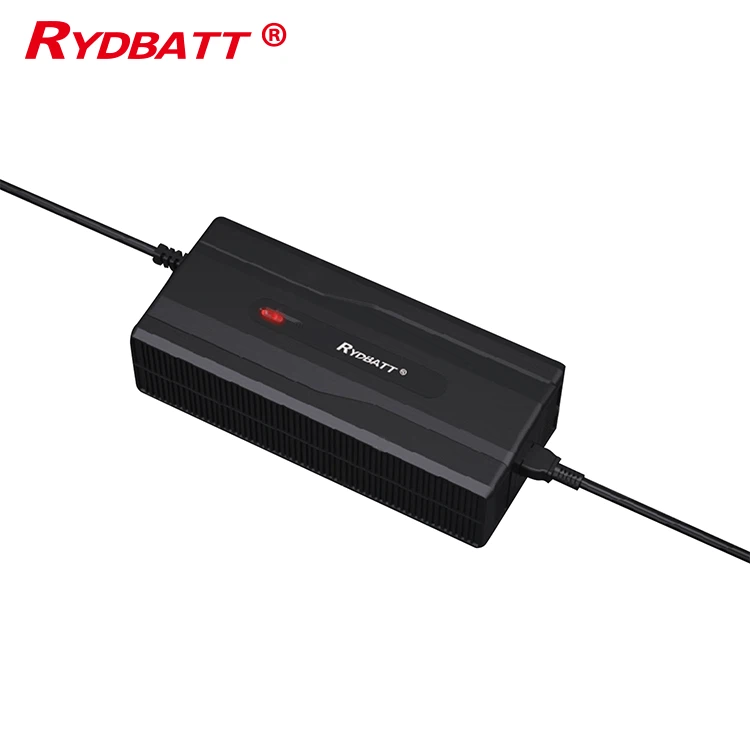

If you're an e-bike owner, our E-Bike Charger 42V 3A is a great choice. It's specifically designed to meet the charging needs of e-bike batteries, ensuring a fast and safe charge.
How to Choose the Right Charger
When choosing a charger for your lithium-ion battery, there are a few things you should keep in mind. First, check the battery's specifications. Look for the recommended charging voltage and current. Make sure the charger you choose can provide these values.
Also, consider the charger's safety features. A good charger should have overcharge protection, overcurrent protection, and short-circuit protection. These features will help prevent any damage to your battery and keep you safe.
It's also a good idea to buy from a reputable supplier. As a supplier, I take pride in offering high-quality chargers that are tested and certified to meet industry standards.
Conclusion
Using a wrong li ion battery charger can have serious consequences for your battery's performance, safety, and lifespan. It can lead to overcharging, undercharging, and other problems that can damage the battery and put you at risk.
As a li ion battery charger supplier, I'm here to help you find the right charger for your needs. Whether you're looking for a charger for your smartphone, laptop, or e-bike, I have a wide range of options to choose from.
If you're interested in purchasing a charger or have any questions about our products, don't hesitate to reach out. We're always happy to assist you with your battery charging needs and help you make the right choice. Let's work together to ensure your lithium-ion batteries stay in top condition!
References
- Linden, D., & Reddy, T. B. (2002). Handbook of Batteries. McGraw-Hill.
- Pistoia, G. (2010). Lithium Batteries: New Materials, Developments and Perspectives. Elsevier.


