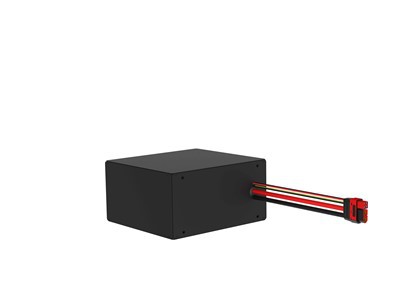

Hey there! As an electric bicycle battery supplier, I often get asked about the float charging voltage of e-bike batteries. It's a super important topic, especially if you're looking to keep your battery in tip - top shape and make it last as long as possible.
Let's start with the basics. Float charging is a way to keep a battery fully charged without overcharging it. When a battery reaches its full charge state, instead of cutting off the charging completely, a small amount of current is continuously supplied to counteract self - discharge. This helps maintain the battery's capacity and extends its overall life.
Now, the float charging voltage can vary depending on the type of battery used in electric bicycles. The most common types are lead - acid batteries and lithium - ion batteries, and they have different requirements.
Lead - Acid Batteries
Lead - acid batteries have been around for a long time and are still used in some electric bicycles, especially in older models or more budget - friendly options. For a standard 12 - volt lead - acid battery, the typical float charging voltage ranges from 13.2 to 13.8 volts. This relatively low voltage is crucial because lead - acid batteries are quite sensitive to overcharging. If the float charging voltage is too high, it can cause excessive gassing, water loss, and ultimately, reduce the battery's lifespan.
For example, if you have an e - bike with a 36 - volt lead - acid battery pack (which is made up of three 12 - volt batteries connected in series), you'd be looking at a float charging voltage of around 39.6 to 41.4 volts. It's important to use a charger that is specifically designed for lead - acid batteries to ensure the correct voltage is applied during the float charging phase.


Lithium - Ion Batteries
Lithium - ion batteries are the go - to choice for most modern electric bicycles due to their high energy density, long cycle life, and lightweight. However, they also require more precise charging management compared to lead - acid batteries.
The float charging voltage for lithium - ion batteries depends on the specific chemistry. For lithium iron phosphate (LiFePO4) batteries, which are commonly used in e - bikes because of their safety and long cycle life, the float charging voltage per cell is usually around 3.3 to 3.6 volts. A typical 12.8 - volt LiFePO4 battery pack, like the Ryder LFP - 32700 4S17P 12.8V 100Ah LiFePO4 Battery Pack With Smart Balanced BMS – Ultra Long Cycle Energy Storage Power Station, has four cells in series. So, the float charging voltage for this pack would be around 13.2 to 14.4 volts.
Other lithium - ion chemistries, such as lithium cobalt oxide or lithium manganese oxide, have slightly different float charging voltages. For instance, a lithium - ion battery with a nominal voltage of 3.7 volts per cell might have a float charging voltage of around 4.1 to 4.2 volts per cell.
Factors Affecting Float Charging Voltage
Apart from the battery chemistry, several other factors can affect the optimal float charging voltage.
Temperature: The temperature of the battery has a significant impact on its charging characteristics. In general, as the temperature increases, the float charging voltage should be slightly decreased to prevent overcharging. Conversely, in colder temperatures, the float charging voltage might need to be increased a bit to ensure a full charge. Most modern chargers have built - in temperature sensors to adjust the charging voltage automatically.
Battery Age and Condition: As a battery ages, its internal resistance increases, and its capacity decreases. This can affect how it responds to float charging. Older batteries may require a slightly different float charging voltage compared to new ones. Additionally, if a battery has been over - discharged or damaged, its charging requirements may change.
Why Correct Float Charging Voltage Matters
Using the correct float charging voltage is crucial for several reasons. First and foremost, it helps protect the battery from overcharging, which can lead to overheating, swelling, and even a risk of fire in extreme cases. Overcharging also reduces the battery's cycle life, meaning it won't last as long before it needs to be replaced.
On the other hand, if the float charging voltage is too low, the battery may not be fully maintained, leading to sulfation in lead - acid batteries or a loss of capacity in lithium - ion batteries. This can result in reduced range and performance of your electric bicycle.
Our Battery Products and Float Charging
At our place, we offer a wide range of electric bicycle batteries, each designed with the right charging specifications in mind. Take our Ryder Li - 18650 5S2P 18V 5200mAh Battery Pack With Balanced PCM & NTC Multi - Temp Protection – Durable Power Tool Replacement Battery. This lithium - ion battery pack comes with a built - in protection circuit module (PCM) that ensures the correct float charging voltage is applied, preventing overcharging and extending the battery's life.
We also have the 36V 13Ah Lithium Battery Pack | Premium Smart Power Solutions, which is engineered to provide reliable power for your electric bicycle. Our team of experts has carefully selected the right float charging voltage parameters to optimize the battery's performance and longevity.
For those who need a more robust option, our 3850g Robust Lithium Power Source and E - Bike 36V Lithium Battery are top - notch choices. They are designed to handle the rigors of daily e - bike use while maintaining the correct charging conditions.
Conclusion
Understanding the float charging voltage of an electric bicycle battery is essential for anyone who wants to get the most out of their e - bike. Whether you're using a lead - acid or lithium - ion battery, using the correct voltage during the float charging phase can significantly extend the battery's life and improve its performance.
If you're in the market for a high - quality electric bicycle battery, look no further. Our batteries are designed with the latest technology and strict quality control to ensure optimal performance and safety. We're always happy to discuss your specific needs and help you find the perfect battery for your electric bicycle. Don't hesitate to reach out for more information or to start a procurement discussion. Your journey towards a more efficient and reliable e - bike starts here!
References
- Linden, D., & Reddy, T. B. (2002). Handbook of Batteries. McGraw - Hill.
- Chen, Z., & Evans, D. J. (2012). Electrochemical Power Sources: Fundamentals, Systems, and Applications. John Wiley & Sons.