



In the dynamic landscape of power supply technology, the 54.6V 2A charger has emerged as a crucial component, catering to a wide range of applications, particularly in the realm of electric vehicles and high - energy lithium - ion battery systems. As a trusted supplier of 54.6V 2A Chargers, I am often asked about the concept of cross - regulation in these chargers. In this blog, I will delve into the intricacies of cross - regulation, its significance, and how it impacts the performance of our 54.6V 2A Charger.
Understanding Cross - Regulation
Cross - regulation is a fundamental characteristic of multi - output power supplies, which includes many modern chargers. In a multi - output charger, there are typically multiple voltage outputs designed to power different components or charge multiple batteries simultaneously. Cross - regulation refers to the ability of the charger to maintain a stable output voltage on each individual output, even when the load on one or more of the outputs changes.
For a 54.6V 2A charger, cross - regulation becomes particularly important when the charger is designed to have multiple outputs or when it is used in a system where the load on the output can vary significantly. For example, in an electric bike charging system, the charger may need to supply power to the main battery as well as to other auxiliary components such as lights or a control module. If the load on the auxiliary output changes, the cross - regulation of the charger ensures that the voltage supplied to the main battery remains stable, preventing over - charging or under - charging, which can damage the battery and reduce its lifespan.
Factors Affecting Cross - Regulation
Several factors can influence the cross - regulation performance of a 54.6V 2A charger. One of the primary factors is the design of the power supply circuit. Chargers with a well - designed circuit topology, such as a flyback converter or a forward converter, are more likely to have better cross - regulation characteristics. These circuit topologies are designed to efficiently transfer power from the input to the output and can better handle changes in the load.
Another factor is the quality of the components used in the charger. High - quality capacitors, inductors, and transformers can help to reduce the ripple voltage and improve the stability of the output voltage. Additionally, the use of feedback control loops in the charger can also enhance cross - regulation. These feedback loops continuously monitor the output voltage and adjust the input power to maintain a stable output voltage, even when the load changes.
The load characteristics also play a significant role in cross - regulation. If the load on one output is highly variable, such as in a system with a motor that starts and stops frequently, the charger needs to be able to respond quickly to these changes to maintain stable output voltages. Chargers with a fast transient response time are better able to handle these types of loads and provide better cross - regulation.
Importance of Cross - Regulation in 54.6V 2A Chargers
In the context of 54.6V 2A chargers, cross - regulation is of utmost importance for several reasons. Firstly, it ensures the safety and reliability of the charging process. Over - charging or under - charging a lithium - ion battery can lead to thermal runaway, which can cause the battery to catch fire or explode. By maintaining a stable output voltage, cross - regulation helps to prevent these dangerous situations and ensures that the battery is charged safely.
Secondly, cross - regulation improves the efficiency of the charging process. When the output voltage is stable, the battery can be charged more efficiently, reducing the charging time and energy consumption. This is particularly important in applications where the charger is used frequently, such as in electric bikes or portable electronic devices.
Finally, cross - regulation enhances the overall performance of the system. In an electric bike, for example, a charger with good cross - regulation can ensure that the battery and other components receive a stable power supply, which can improve the performance and reliability of the bike.
Our Approach to Cross - Regulation in 54.6V 2A Chargers
As a supplier of 54.6V 2A Chargers, we take cross - regulation very seriously. Our chargers are designed with a focus on high - quality components and advanced circuit topologies to ensure excellent cross - regulation performance. We use state - of - the - art feedback control loops that continuously monitor the output voltage and adjust the input power to maintain a stable output voltage, even under varying load conditions.
In addition to our design approach, we also conduct rigorous testing on our chargers to ensure that they meet the highest standards of cross - regulation. Our testing procedures include simulating different load conditions and measuring the output voltage stability to ensure that the charger can maintain a stable output voltage within a specified tolerance.

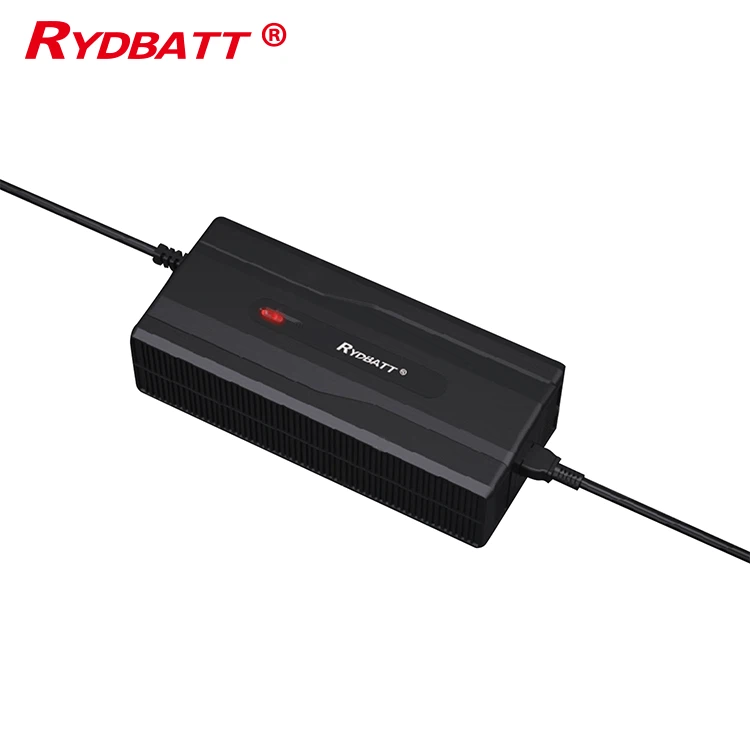
We also offer a range of chargers with different output configurations to meet the diverse needs of our customers. Whether you need a charger with a single output or multiple outputs, we can provide a solution that offers excellent cross - regulation performance.
Comparison with Other Chargers
When comparing our 54.6V 2A chargers with other chargers on the market, our focus on cross - regulation sets us apart. Many chargers may claim to have good cross - regulation, but in reality, they may not be able to maintain a stable output voltage under all load conditions. Our chargers are designed and tested to provide consistent and reliable cross - regulation, ensuring that your batteries are charged safely and efficiently.
For example, our E - Bike Charger 42V 3A also benefits from our advanced cross - regulation technology. This charger is specifically designed for electric bikes and can provide a stable power supply to the battery and other components, ensuring optimal performance and longevity of the bike.
Our Li Ion Battery Charger 54.6 V is another product that showcases our commitment to cross - regulation. This charger is suitable for a wide range of lithium - ion battery applications and can provide a stable output voltage, even when the load on the output changes.
Conclusion
Cross - regulation is a critical aspect of 54.6V 2A chargers, ensuring the safety, efficiency, and performance of the charging process. As a supplier of high - quality chargers, we understand the importance of cross - regulation and have taken significant steps to ensure that our chargers offer excellent cross - regulation performance.
If you are in the market for a reliable and efficient 54.6V 2A charger, we invite you to contact us to discuss your specific requirements. Our team of experts is ready to assist you in finding the right charger for your application. Whether you are an electric bike manufacturer, a battery pack assembler, or an end - user, we can provide you with a charger that meets your needs and offers the best possible cross - regulation performance.
References
- Pressman, A. I. (2009). Switching Power Supply Design (3rd ed.). McGraw - Hill.
- Erickson, R. W., & Maksimovic, D. (2001). Fundamentals of Power Electronics (2nd ed.). Springer.
- Middlebrook, R. D., & Cuk, S. (1976). A general unified approach to modelling switching - converter power stages. IEEE Transactions on Power Electronics, 2(3), 182 - 188.


