



When it comes to upgrading an electric motorcycle battery, there are numerous factors that riders and enthusiasts need to take into account. As a supplier of high - quality electric motorcycle batteries, I've witnessed firsthand the importance of making an informed decision during the upgrade process. In this blog, I'll delve into the key considerations that can help you select the perfect battery for your electric motorcycle.
Compatibility with the Electric Motorcycle
The first and most crucial factor is ensuring that the new battery is compatible with your electric motorcycle. Different motorcycles have specific electrical systems, voltage requirements, and physical dimensions for battery installation.
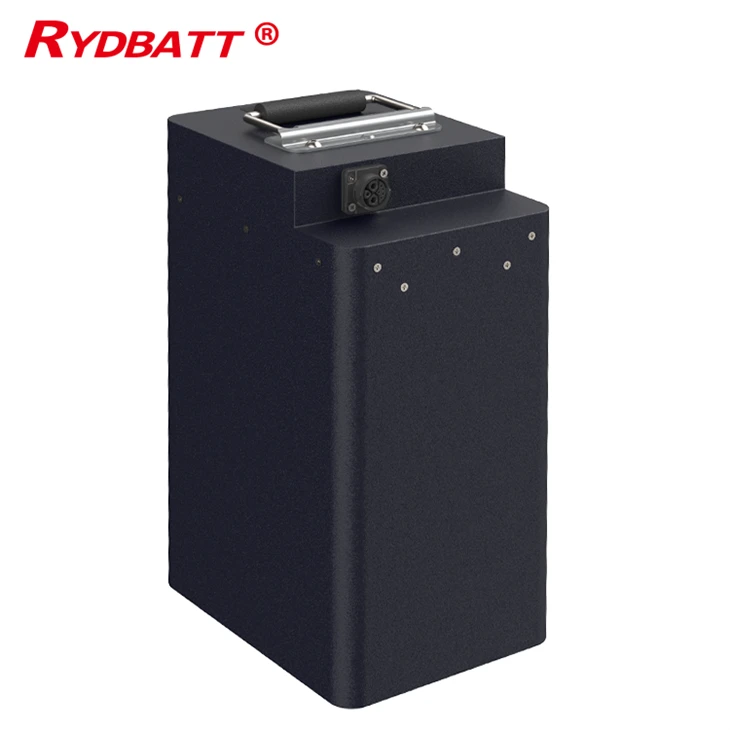
Voltage is a fundamental aspect. Your motorcycle's motor, controller, and other electrical components are designed to work within a certain voltage range. For example, some motorcycles are optimized for a 60V Electric Motorcycle Lithium Battery. Using a battery with a significantly different voltage can lead to improper functioning, reduced performance, or even damage to the motorcycle's electrical system.
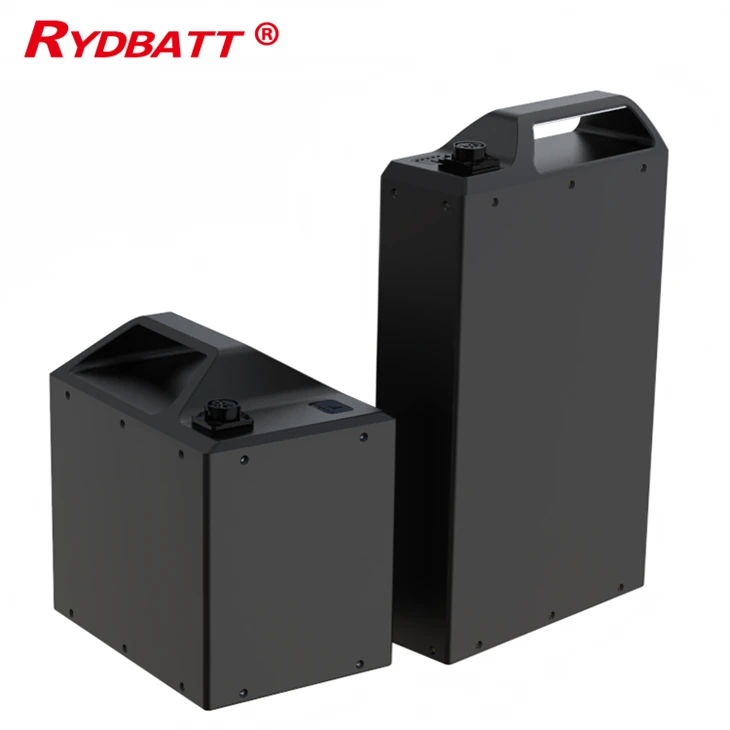
Physical compatibility is also essential. The battery needs to fit into the designated battery compartment of your motorcycle. Some motorcycles have custom - designed battery bays, and you must choose a battery with the right size and shape. Otherwise, you may face difficulties in installation, and it could also affect the overall balance and handling of the motorcycle.
Battery Capacity and Range
Battery capacity, usually measured in ampere - hours (Ah), directly impacts the range of your electric motorcycle. A higher capacity battery can store more energy, allowing your motorcycle to travel longer distances on a single charge.
If you have a long daily commute or frequently take extended rides, you'll likely want to upgrade to a battery with a larger capacity. For instance, a 73V 20.8 Ah Lithium Ion Battery can provide a greater range compared to a battery with a lower Ah rating. However, it's important to note that other factors, such as riding style, terrain, and weather conditions, also affect the actual range. Aggressive acceleration, hilly terrains, and cold weather can all reduce the range of your motorcycle, even with a high - capacity battery.
Battery Chemistry
The chemistry of the battery plays a vital role in its performance, lifespan, and safety. There are several types of battery chemistries commonly used in electric motorcycles, including lithium - ion (Li - ion), lithium iron phosphate (LiFePO4), and lead - acid.
Lithium - ion batteries are popular due to their high energy density, which means they can store a large amount of energy in a relatively small and lightweight package. They also have a long cycle life, meaning they can be charged and discharged many times before their performance starts to degrade. However, they can be more expensive and require careful charging and discharging management to ensure safety.
LiFePO4 batteries are known for their excellent thermal stability and safety. They are less prone to overheating and thermal runaway compared to other lithium - based batteries. LiFePO4 batteries also have a long cycle life and can operate in a wide range of temperatures. Although they have a slightly lower energy density than some Li - ion batteries, their safety and durability make them a great choice for many electric motorcycle riders.
Lead - acid batteries are the oldest and most affordable option. They are heavy and have a relatively low energy density, which means they provide a shorter range compared to lithium - based batteries. They also have a shorter cycle life and require more maintenance. However, they are still used in some entry - level or budget electric motorcycles.
Charging Time
The charging time of the battery is another important consideration. A fast - charging battery can significantly reduce the time you spend waiting for your motorcycle to recharge, especially if you have a busy schedule.
Some advanced lithium - ion batteries support fast - charging technology. However, fast charging can also have some drawbacks. It can generate more heat, which may affect the battery's lifespan if not properly managed. Additionally, fast - charging stations may not be as widely available as standard charging stations, so you need to consider your access to charging infrastructure.
On the other hand, slower - charging batteries may take longer to recharge but can be more gentle on the battery, potentially extending its lifespan. You need to balance your need for quick charging with the long - term health of the battery.
Cost
Cost is always a factor when upgrading an electric motorcycle battery. High - performance batteries with large capacities and advanced chemistries tend to be more expensive. However, it's important to consider the long - term value rather than just the upfront cost.
A more expensive battery may have a longer lifespan, which means you won't have to replace it as often. It may also provide better performance, such as a longer range and faster acceleration, which can enhance your riding experience. Additionally, some high - quality batteries come with better warranties, which can give you peace of mind.
You should also factor in the cost of charging. Different battery chemistries have different charging efficiencies, and some may require more energy to charge fully. Over time, these differences in charging costs can add up.
Safety Features
Safety should never be overlooked when upgrading your electric motorcycle battery. Look for batteries that have built - in safety features such as over - charge protection, over - discharge protection, and short - circuit protection.
Over - charge protection prevents the battery from being charged beyond its safe voltage limit, which can cause damage to the battery and increase the risk of fire or explosion. Over - discharge protection stops the battery from being discharged too much, which can also reduce the battery's lifespan. Short - circuit protection safeguards the battery and the motorcycle's electrical system in case of a short - circuit.
Brand Reputation and Warranty
The reputation of the battery brand is an important consideration. A well - established brand with a good track record is more likely to produce high - quality and reliable batteries. You can research online reviews, ask other electric motorcycle riders for recommendations, and check the brand's history of product recalls or safety issues.
A warranty is also a crucial factor. A longer warranty period indicates that the manufacturer has confidence in the quality of their product. It also provides you with some protection in case the battery fails prematurely. Make sure to read the terms and conditions of the warranty carefully, including what is covered and what is not.
Environmental Impact
In today's world, environmental impact is an increasingly important consideration. Lithium - based batteries, especially LiFePO4 batteries, are generally more environmentally friendly than lead - acid batteries. They have a lower carbon footprint during their production and use, and they can be recycled more easily.
When upgrading your battery, you can choose a battery that is produced using sustainable manufacturing processes and has a high recycling rate. This not only benefits the environment but also aligns with the growing trend towards sustainable transportation.
Conclusion
Upgrading an electric motorcycle battery is a significant decision that requires careful consideration of multiple factors. Compatibility, capacity, battery chemistry, charging time, cost, safety features, brand reputation, warranty, and environmental impact all play important roles in determining the right battery for your needs.
As an electric motorcycle battery supplier, I'm committed to providing high - quality batteries that meet the diverse needs of riders. If you're considering upgrading your electric motorcycle battery, I encourage you to contact us for more information and to discuss your specific requirements. Our team of experts can help you select the perfect battery for your motorcycle and provide you with all the support you need during the upgrade process.
References
- [1] Linden, D., & Reddy, T. B. (2002). Handbook of Batteries. McGraw - Hill.
- [2] Tarascon, J. M., & Armand, M. (2001). Issues and challenges facing rechargeable lithium batteries. Nature, 414(6861), 359 - 367.
- [3] Liu, H., et al. (2019). A review on the key issues for lithium - ion battery management in electric vehicles. Journal of Power Sources, 434, 226606.


